

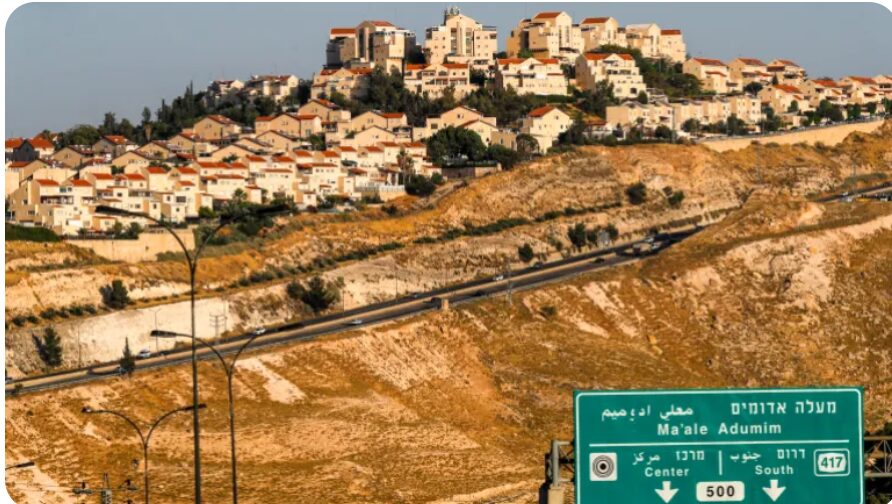
Israel’s far-right Finance Minister Bezalel Smotrich has sparked controversy by announcing his intention to approve the construction of thousands of housing units in a highly contentious and long-delayed illegal settlement project in the occupied West Bank. According to Smotrich, he will approve tenders to build more than 3,000 homes in the E1 area settlement, which connects Jerusalem and the existing illegal Israeli settlement of Maale Adumim, located several kilometers to the east.
The expansion of the settlement has significant implications, as it effectively divides the occupied West Bank into northern and southern regions. Smotrich’s decision has been met with strong conviction, as he believes that this move “buries the idea of a Palestinian state.” This statement underscores the minister’s opposition to a two-state solution and highlights the complexities surrounding the Israeli-Palestinian conflict.
The E1 settlement project has been a point of contention for many years, with critics arguing that it would severely limit the potential for a Palestinian state. The international community has consistently expressed concerns about the expansion of Israeli settlements in the occupied West Bank, citing their impact on the prospects for peace and the rights of the Palestinian people.
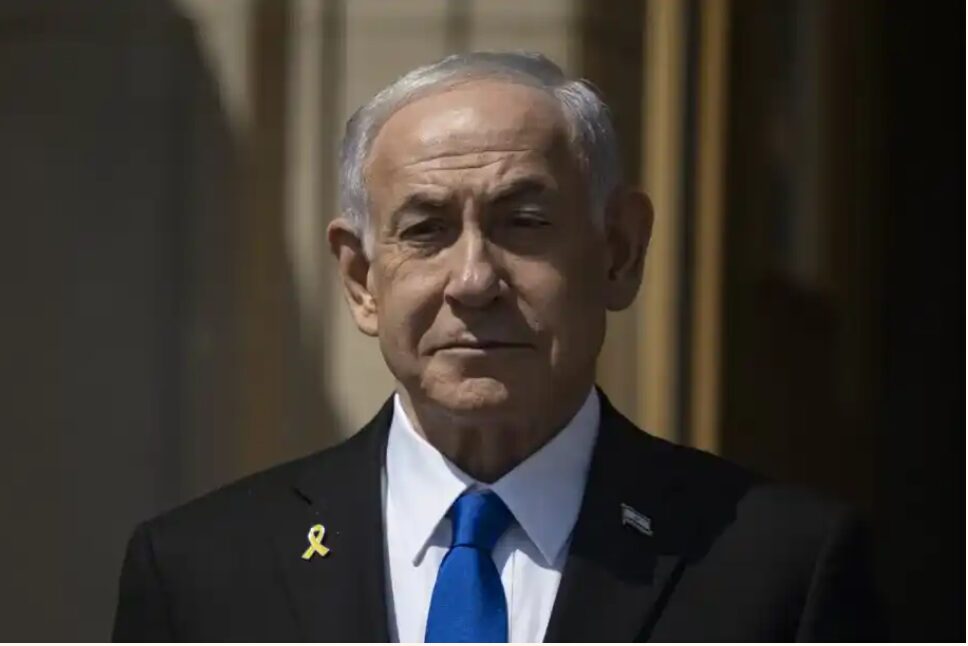
Smotrich’s announcement is likely to draw criticism from various stakeholders, including the Palestinian Authority, international organizations, and human rights groups. The decision will likely exacerbate tensions in the region and further complicate efforts to achieve a peaceful resolution to the Israeli-Palestinian conflict.
The expansion of Israeli settlements in the occupied West Bank has been met with widespread criticism from the international community, with many viewing it as a significant obstacle to peace. Critics argue that the settlements are not only a violation of international law but also undermine the prospects for a two-state solution to the Israeli-Palestinian conflict. The United Nations has repeatedly condemned Israel’s settlement activities, emphasizing that they are a major barrier to achieving a lasting peace.
On the other hand, proponents of the settlements argue that they are a vital part of Israel’s heritage and security. They claim that the settlements provide a buffer zone against potential threats from Palestinian territories and are essential for Israel’s defense. However, this perspective is not universally accepted, and many argue that the settlements are an obstacle to peace and a source of ongoing conflict.
The impact of settlement expansion on Palestinian communities is significant. Many Palestinians have been displaced or have had their livelihoods disrupted by the construction of settlements. The expansion of settlements also exacerbates tensions between Israelis and Palestinians, contributing to a cycle of violence and mistrust. As the situation continues to unfold, it remains to be seen how the international community will respond to the controversy surrounding Israel’s settlement activities.
About The Author
