The Iran women football asylum Australia case took a dramatic turn after a member of the national squad reversed her decision to seek protection despite being granted a humanitarian visa by the government, officials confirmed. The unexpected change created urgent security and diplomatic concerns for authorities managing the players’ relocation and protection arrangements.
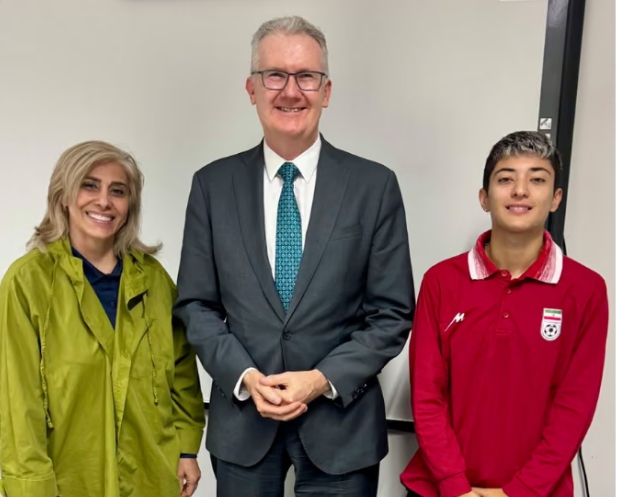
Australia’s Home Affairs Minister Tony Burke said seven members of the Iran women’s national football team had been granted humanitarian visas allowing them to remain in the country following the international tournament. The approvals were designed to provide safety, legal residency pathways, and structured settlement support for athletes seeking protection.
However, shortly after the latest visas were confirmed, one player informed officials she wished to withdraw her asylum request and return to Iran. The reversal reportedly followed conversations with teammates who had already left Australia with the main delegation after the competition concluded.
Burke explained that the situation required immediate intervention because the player contacted the Embassy of Iran in Australia to arrange assistance. This communication meant Iranian authorities became aware of the location where other players seeking protection were staying, prompting Australian officials to relocate them swiftly for safety reasons.
The minister stressed that Australian law allows individuals to freely change their minds regarding humanitarian protection applications. Officials conducted additional checks to ensure the athlete’s decision was voluntary and not made under coercion before allowing her to proceed with plans to return home.
The Iran women football asylum Australia process has involved extensive coordination between immigration authorities, security agencies, and government departments. Officials said every player was interviewed privately without team supervisors present and given the opportunity to independently request protection if they felt unsafe returning to Iran.
Two additional women — identified as player Mohaddeseh Zolfi and team staff member Zahra Soltan Meshkeh Kar — secured humanitarian visas shortly before the squad departed Sydney. Their applications were processed overnight after security assessments confirmed eligibility under Australia’s protection framework.
Authorities said planning for potential asylum requests had quietly begun before the tournament started, ensuring legal pathways were prepared if any athletes sought refuge. Preparations intensified days before the team’s scheduled departure as officials anticipated possible last-minute applications.
Another squad member reportedly hesitated before boarding the team’s departure flight but ultimately chose to leave Australia after extended discussions with relatives. Officials said her case demonstrated the deeply personal nature of such decisions, particularly for athletes facing intense political and family pressures.
The humanitarian visas were issued under policies of the administration led by Prime Minister Anthony Albanese. Successful applicants receive access to settlement services including English language training, employment assistance, education programs, healthcare support, and social integration resources.
Burke said the government would not block successful applicants from transitioning to permanent residency pathways once eligibility requirements are met. He added that Australia’s migration system includes provisions allowing permanent residents to sponsor close family members, though assisting relatives still in Iran remains complex.
A small number of individuals linked to the squad were not offered protection pathways. Burke indicated those exclusions were due to alleged associations with the Islamic Revolutionary Guard Corps, which Australia designates as a terrorist organisation under national security legislation.
Security officials emphasized that player welfare remained the priority throughout the Iran women football asylum Australia process. Accommodation locations were kept confidential, movements were coordinated discreetly, and communication support was provided to help athletes contact trusted relatives safely.
Government representatives described meetings with the players as highly emotional, with many athletes facing life-changing decisions about their futures, careers, and family ties. Officials trained in humanitarian response and trauma-informed support were present during interviews and consultations.
Burke praised the courage of those who accepted protection, noting they had navigated extraordinary pressure while making decisions that could permanently alter their personal and professional lives. He said Australia respected the dignity of each athlete regardless of whether they chose to stay or depart.
The Iran women football asylum Australia situation also carried diplomatic sensitivity. Managing relations with Tehran required careful handling while ensuring Australia’s legal and humanitarian obligations to protection seekers were fulfilled without political interference.
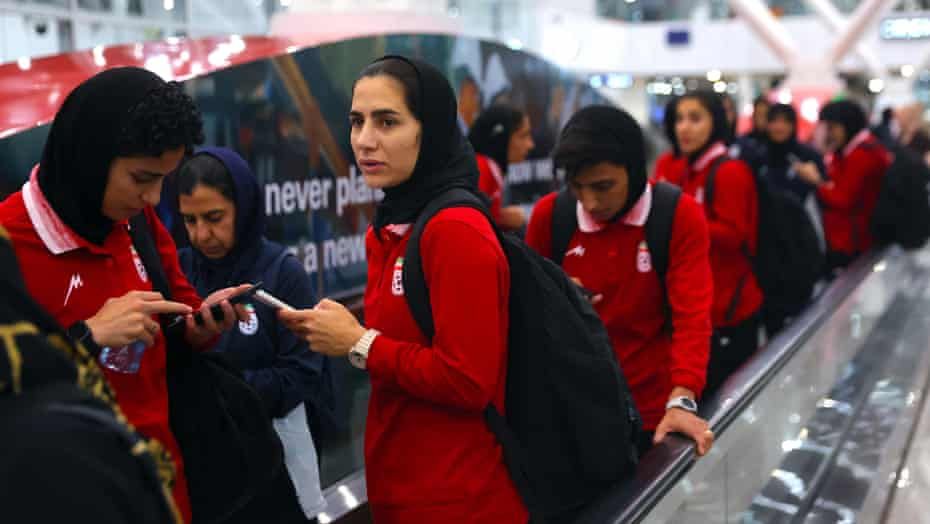
Images captured at departure points showed remaining squad members travelling onward to Kuala Lumpur, where transit arrangements were completed before their return journey. International media closely followed the team’s movements as the asylum developments unfolded.
Prime Minister Albanese reiterated that any other team members who later seek protection would be assessed under the same humanitarian framework. He emphasized that Australia maintains longstanding commitments to refugee protection under international agreements and domestic migration law.
Migration experts say cases involving professional athletes can present unique challenges due to media exposure, diplomatic implications, and the need for rapid coordination between sporting bodies and immigration authorities. Confidentiality and athlete welfare remain central to such processes.
Human rights advocates noted that women athletes from restrictive environments may face additional pressures tied to cultural expectations, political oversight, and personal safety concerns. They argue that offering independent protection pathways ensures decisions are made freely without external influence.
Australian officials declined to release operational details regarding relocation procedures but confirmed that risk assessments were updated immediately after the embassy contact incident. Security protocols were reinforced to prevent unauthorised access to protected individuals.
The Iran women football asylum Australia case highlights how international sporting events can intersect with global migration issues. Tournaments sometimes provide rare opportunities for individuals to seek protection while abroad, prompting host nations to balance humanitarian duties with diplomatic considerations.
Community groups in Australia signaled readiness to assist resettled athletes through language training programs, employment networks, and cultural integration initiatives. Sporting organisations also explored opportunities for affected players to continue their careers within local leagues.
Legal analysts noted that humanitarian visas differ from standard refugee determinations but can offer fast-tracked protection in urgent cases. Applicants must still satisfy character, security, and eligibility checks before permanent residency pathways are granted.
Burke said each athlete’s privacy would be respected and warned against speculation that could compromise safety. He added that decisions regarding public disclosure were guided by protection protocols rather than political considerations.
Observers say the episode underscores Australia’s position as a destination for individuals seeking refuge from political or social pressures. The government maintains that humanitarian commitments remain consistent regardless of applicants’ professions or public profiles.
The Iran women football asylum Australia developments continue to evolve as immigration processing, security coordination, and diplomatic engagement proceed. Authorities expect further administrative steps before all protection arrangements are finalised.
Officials reiterated that the central principle guiding actions remains individual choice. Athletes were given opportunities to make informed decisions privately, supported by legal safeguards designed to protect their rights and personal safety.
As the situation stabilises, attention is likely to shift toward long-term settlement planning for those remaining in Australia. Integration services aim to help new arrivals rebuild careers, pursue education, and adapt to community life.
The government says it will continue monitoring conditions that may affect the athletes and maintain communication channels to address emerging needs. Welfare checks and case management support are expected to continue throughout the transition period.
While one player’s reversal introduced new complexities, authorities maintain the broader humanitarian operation proceeded effectively. Officials emphasised that flexibility is essential when managing sensitive protection cases involving multiple individuals under international scrutiny.
The Iran women football asylum Australia case remains one of the most closely watched intersections of sport, migration policy, and international diplomacy in recent years, illustrating how personal decisions by athletes can carry global political significance.
About The Author