

Iran-US war latest developments continue to shape global attention as tensions intensify between the United States and Iran, with both sides presenting conflicting accounts of diplomacy and military activity across the Middle East.
In the latest updates, Iranian authorities have rejected claims made by Donald Trump that both nations are engaged in meaningful peace negotiations. Tehran has instead reaffirmed its position that it will continue fighting until what it describes as “complete victory.”
Officials within Iran’s military command have reinforced this stance, dismissing suggestions of a ceasefire or diplomatic breakthrough as inaccurate. Their statements indicate a firm commitment to ongoing resistance amid rising regional tensions.
At the same time, reports suggest that indirect communication channels may still exist between the United States and Iran, although both governments continue to publicly deny direct talks. This contradiction highlights the fragile and uncertain nature of any potential diplomatic engagement.

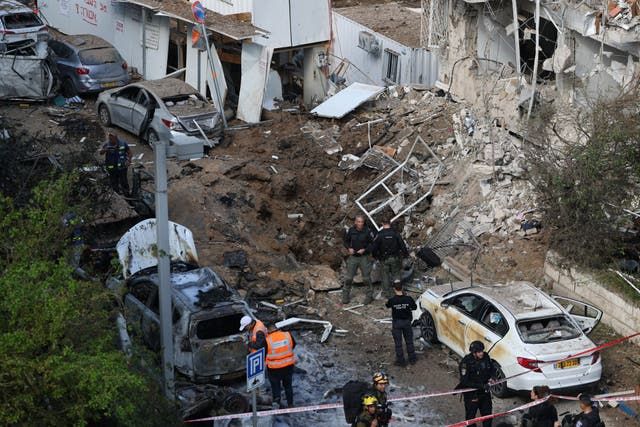
The escalation has also been marked by renewed missile activity in the region. Israeli defense authorities have confirmed multiple strikes affecting key areas, including major urban centers, raising serious concerns about civilian safety and regional stability.
The role of Israel in the conflict has become increasingly significant, as its military continues operations aimed at countering threats from Iranian-backed groups and maintaining strategic defense positions.
Neighboring countries have also been affected by the widening conflict. Nations such as Saudi Arabia and Kuwait have reported intercepting incoming drones and missiles, while other regional actors remain on high alert due to fears of further escalation.
Diplomatic developments remain uncertain, with reports suggesting that Pakistan could play a mediating role if both sides agree to negotiations. Pakistani officials have expressed readiness to facilitate dialogue, although no confirmed talks have taken place.
The contrasting statements from the United States and Iran reflect longstanding mistrust that continues to complicate diplomatic efforts. Analysts note that even indirect communication faces significant obstacles given the current climate of hostility.
In Washington, policymakers are evaluating strategic options that balance military pressure with diplomatic outreach. However, internal political dynamics and regional complexities make it difficult to achieve a unified approach.
Iran’s leadership has also undergone internal changes following recent high-profile developments, including the appointment of new figures within its security structure. These changes suggest an effort to maintain operational stability and command continuity during a period of conflict.
Economic consequences are becoming increasingly evident as global oil markets react to instability in the region. Price fluctuations are being driven by concerns over potential disruptions to critical supply routes, particularly in the Strait of Hormuz.
The Strait of Hormuz remains a vital global energy corridor, and any disruption could have significant consequences for international trade and energy security. Both Iran and the United States recognize its strategic importance.
Military analysts warn that the situation could escalate further if miscalculations occur. With multiple actors involved, the risk of unintended conflict remains high, especially in contested airspace and maritime zones.
Humanitarian concerns are also growing as civilians face the direct impacts of the conflict. Displacement, damage to infrastructure, and limited access to essential services are becoming increasingly common in affected areas.
Read also: Mohammad Bagher Zolghadr appointed Iran’s Supreme National Security Council Secretary
International organizations have called for restraint, urging all parties to prioritize civilian protection and pursue diplomatic solutions. However, these appeals have so far had limited impact on the ground.
The role of global powers is under scrutiny, with critics questioning the effectiveness of current foreign policy strategies. Some analysts argue that stronger international cooperation is necessary to prevent further escalation.
Domestic political pressures within both the United States and Iran are also influencing decision-making processes. Leaders are balancing military objectives with internal political expectations and public opinion.
Experts believe that the current phase of the conflict could shape the future stability of the Middle East. The outcome may influence regional alliances and power structures for years to come.
Media coverage continues to play a major role in shaping public understanding of the conflict. Conflicting reports and narratives from different sources make it difficult to verify accurate information, contributing to uncertainty.
Cyber operations have also reportedly increased, marking an expansion of the conflict into digital domains. Both sides are believed to be engaging in efforts to disrupt communications and critical infrastructure.
Despite the ongoing tensions, some diplomatic observers remain cautiously hopeful that indirect channels could eventually lead to negotiations. However, trust remains a significant barrier to progress.
The international community continues to monitor developments closely, with widespread calls for de-escalation and warnings about the risks of prolonged conflict.
As events continue to unfold, attention remains focused on whether diplomacy can overcome entrenched positions or whether the conflict will intensify further.
For now, Iran-US war latest developments highlight a volatile and rapidly evolving situation, where diplomacy and conflict exist side by side in a fragile and uncertain balance.
About The Author
