

Iran US talks Hormuz crisis has entered a critical phase as Donald Trump confirmed that American officials will travel to Islamabad for fresh negotiations while issuing one of his strongest warnings yet to Iran.
Trump said the United States was offering a “very fair and reasonable DEAL,” but warned that if Iran refuses, “the United States is going to knock out every single Power Plant and every single Bridge.”
He escalated further in another statement, declaring that if the deal is rejected, “the whole country is getting blown up,” underscoring the rising tension surrounding the negotiations.
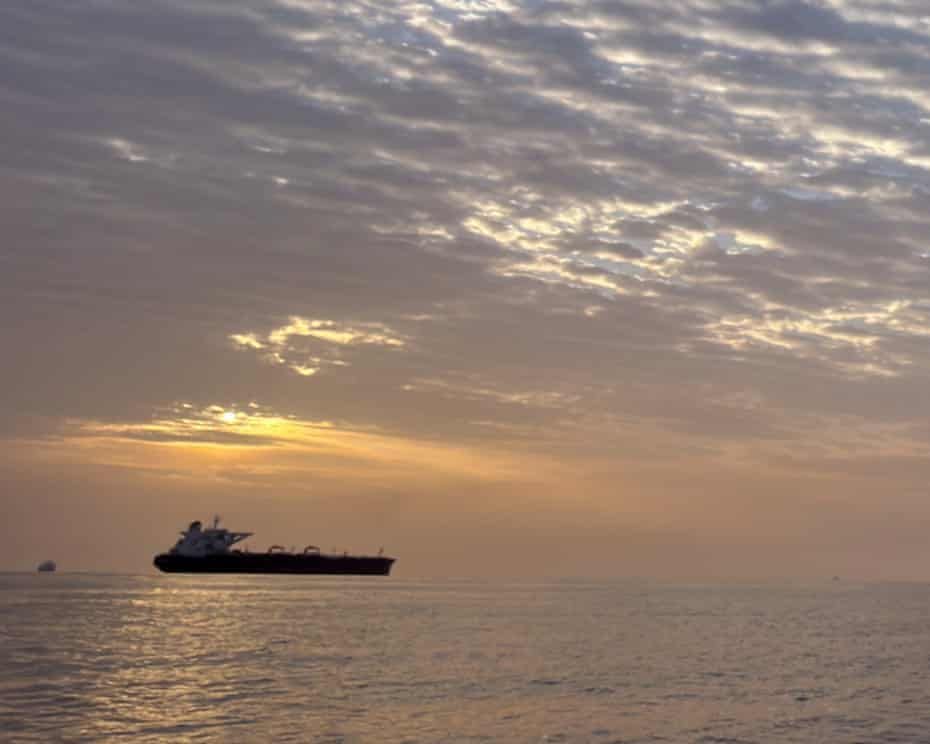
The dispute remains closely tied to the strategic Strait of Hormuz, a key global shipping route that has become the focal point of the standoff.
US delegation heads to Pakistan amid rising stakes
Washington’s diplomatic push will see senior figures including Jared Kushner and Steve Witkoff involved in discussions aimed at breaking the deadlock over nuclear restrictions and maritime access.
Trump insisted a resolution is inevitable, stating: “It will happen. One way or another. The nice way or the hard way. It’s going to happen. You can quote me.”
He also struck a defiant tone online, posting: “NO MORE MR. NICE GUY!” while accusing Iran of violating agreements and delaying progress toward peace.
European security concern over escalation risk
European security officials have expressed growing concern that the rapid escalation around Iran US talks could spill beyond the Middle East, particularly as tensions rise over the Strait of Hormuz and regional proxy activity.
Analysts in security circles argue that continued military rhetoric from Washington, including Trump’s warning that “the whole country is getting blown up,” increases the risk of miscalculation among allied and adversarial states.
Diplomatic sources in Europe reportedly see the situation as a “high volatility negotiation environment,” warning that any disruption in the Strait of Hormuz could trigger global energy instability and wider geopolitical shockwaves.
This perspective highlights the broader international fear that the Iran US talks Hormuz crisis is no longer a bilateral issue but a global security concern involving NATO-aligned states and energy-import dependent economies.
Global energy markets react to Strait of Hormuz uncertainty
Energy market analysts say traders are increasingly pricing in risk premiums due to uncertainty surrounding the Strait of Hormuz blockade and ongoing US Iran negotiations in Pakistan.
Oil shipping insurers have reportedly raised caution levels for vessels passing through the region, reflecting fears of further tanker disruptions after reports of ships being turned back.
Market watchers note that even rhetorical escalation, such as claims that the US blockade has already “closed” the Strait, can influence pricing volatility and investor sentiment.
This economic dimension adds pressure to the Iran US talks Hormuz crisis, as global markets now act as an indirect stakeholder in the diplomatic process, particularly given the Strait’s role in global oil transit.
Iran perspective and legal stance on blockade
Iran has strongly rejected the US position, maintaining that restrictions around the Strait of Hormuz will remain until what it calls an unlawful blockade is lifted.
An Iranian foreign ministry spokesman said the US action is “both unlawful and criminal,” adding that it “amounts to war crime and crime against humanity.”
Iranian leaders have also pushed back against Washington’s broader demands, with officials insisting they will not hand over enriched uranium as part of any agreement.
From Tehran’s perspective, the negotiations are not just about compliance but sovereignty, with leaders questioning US authority to impose such terms.
Global security concerns and wider implications
Beyond the Gulf, the crisis is already having international repercussions, including security concerns in London where authorities are probing suspected proxy-linked incidents.
Energy markets remain on edge as disruptions in the Strait of Hormuz threaten global supply chains, with vessels reportedly turned back amid heightened military tensions.
Trump also claimed that US actions had already neutralised the waterway, saying: “Our BLOCKADE has already closed it… They’re helping us without knowing.”
Read also: Russian blogger Kremlin criticism goes viral as influencer warns Putin “people are afraid of you
Despite the aggressive rhetoric, diplomatic channels remain open, with both sides engaging indirectly through talks in Pakistan.
The coming days are expected to be decisive, as the balance between negotiation and escalation continues to shape the direction of the Iran US talks Hormuz crisis.
Do you think these Iran US talks will end in diplomacy or escalation? Drop your thoughts in the comment box 💬
About The Author

https://shorturl.fm/hkywS