Social media commentator and self-described “citizen police,” Martins Vincent Otse, popularly known as Verydarkman, has stepped into the centre of the escalating controversy surrounding Grammy-winning Nigerian artiste Burna Boy.
The debate, which has gained significant traction globally, stems from a viral incident in which the artiste asked a female fan to leave his concert because she appeared to be sleeping during his performance.
What would have ended as routine social commentary has now evolved into what many describe as a full-blown Burna Boy boycott saga, with fans, influencers, international celebrities, and critics sharing polarising opinions.
VDM Disputes Claims Fueling the Burna Boy Boycott Saga
In a detailed video shared on his social platforms, Verydarkman addressed what he described as deliberate misinformation aimed at discrediting the “Last Last” crooner.
He stated that several videos currently circulating online—including clips showing empty seats at Burna Boy’s concerts and old footage of a sleeping fan—were either outdated or misrepresented.
According to him, many of the videos being promoted as “evidence” of dwindling attendance were recorded before concerts officially commenced.
He also noted that another clip widely circulated was originally filmed during the 2020 EndSARS protest in Abuja, not during any recent tour stop as claimed by some online users.
VDM said he took time to track the location and timestamps of these videos, and the findings confirmed his suspicion that much of the noise driving the Burna Boy boycott saga was rooted in propaganda rather than fact.
He questioned why such coordinated backlash appeared to be targeted at one of Nigeria’s biggest music exports at a time when Afrobeats continues to expand its global footprint.
He Calls Out Fake Accounts, Urges Burna Boy to Correct His Error
While defending Burna Boy against what he termed a “digital smear campaign,” Verydarkman did not excuse the artiste’s decision to dismiss the fan from his show.
He acknowledged that the act was insensitive and advised the singer to apologise directly to the lady involved rather than issuing general statements on stage.
VDM also cast doubt on a series of posts attributed to the woman, explaining that the account in question had undergone multiple identity changes—an indication that the profile might not be owned by the actual concert attendee.
He insisted that such inconsistencies further underscored the level of manipulation driving the Burna Boy boycott saga, warning that the public should be careful not to amplify fabricated narratives.
Fans, Influencers, and International Voices React
The growing controversy has drawn reactions from fans, fellow artistes, and even international entertainers.
American boxer Ryan Garcia and popular streamer N3on openly commented on Burna Boy’s relationship with his audience, suggesting that the artiste needed to reconnect with fans who helped elevate his career.
Read more: Burna Boy sparks fresh outrage after saying he wants “Only Rich Fans”
Online debates intensified after a recent video showed Burna Boy apologising during one of his performances in Texas.
The apology, which surfaced amid reports of low ticket sales and cancelled US tour dates—including his Minneapolis and Chicago stops—triggered fresh arguments regarding whether the remorse was sincere or simply a response to commercial pressure.
Several social media users insisted that the Grammy winner’s apology was overdue, while others argued that the entire spectacle was an orchestrated attempt to undermine his influence as one of Africa’s most successful musical ambassadors.
VDM’s Continued Defence and the Larger Question
This is not the first time Verydarkman has taken a bold stance amid public criticism.
Earlier this year, he addressed allegations made by a businessman who accused him of jeopardising Igbo traders’ interests, a claim he denied.
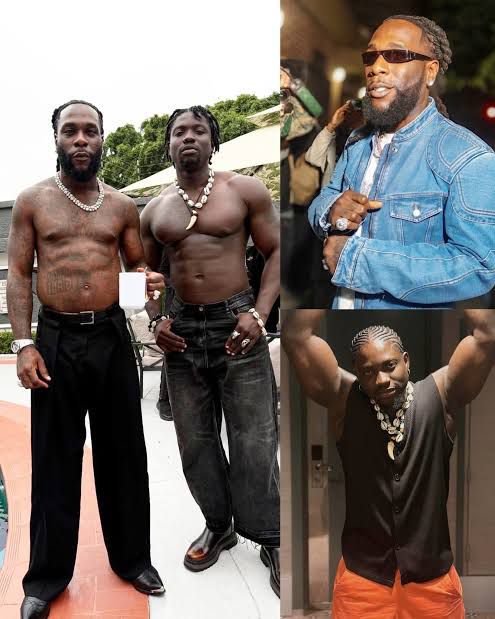
VDM stated that his broader mission was to channel his digital influence into tangible, real-world impact, not to sow ethnic or industry conflict.
His intervention in the Burna Boy boycott saga has now opened another layer of discussion: whether celebrity culture in Nigeria is becoming increasingly vulnerable to misinformation, coordinated online attacks, and emotionally charged public reactions.
As conversations surrounding Burna Boy’s conduct, fan culture, and digital accountability continue to unfold, industry watchers note that the current saga underscores a deeper tension between artists’ personal expressions and the expectations of an evolving global fanbase.
For now, the debate remains far from settled, but one thing is clear—this episode is likely to shape how entertainers engage with audiences in an age where every action can trend, be misinterpreted, or be weaponised within minutes.