More Than 800 Students And Teachers Fall Ill
Indonesia free meals food poisoning has affected more than 800 students and teachers across Indonesia this week, with hundreds developing nausea, vomiting and stomach pains after eating government-provided meals.
The illnesses were recorded in separate incidents across Java and Sumatra, placing renewed pressure on President Prabowo Subianto‘s flagship programme designed to provide nutritious meals to millions of Indonesians.
The latest incidents have intensified concerns surrounding the ambitious scheme, which was introduced to combat malnutrition and ensure children do not attend school while struggling with hunger.
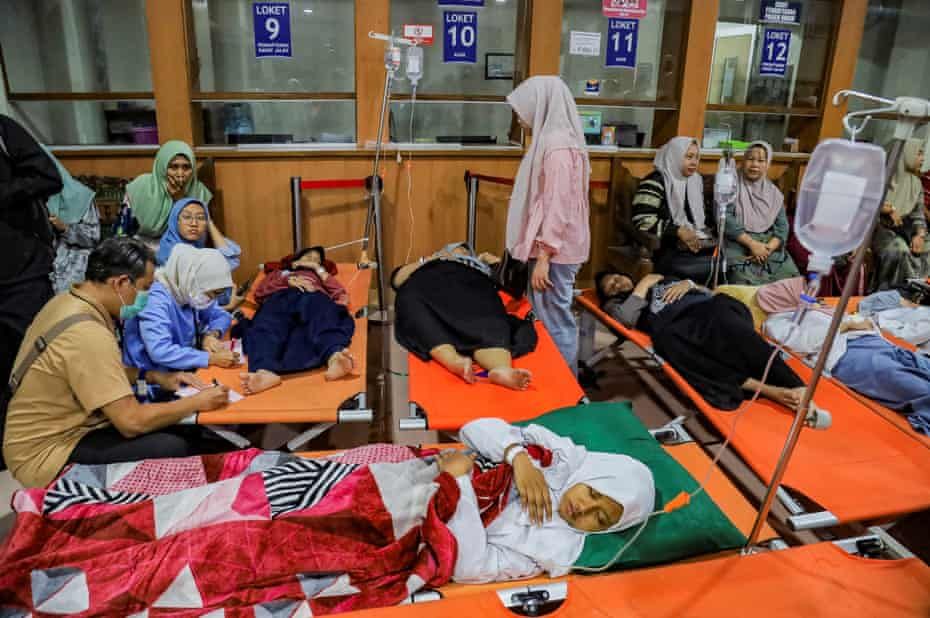
According to reports, 566 students became sick in Sidoarjo, East Java, after consuming meals supplied through the programme, while 88 reportedly required hospital treatment.
Another 49 students fell ill in Nganjuk, also in East Java, after eating a meal consisting of fried rice, chicken and tofu, according to local reports.
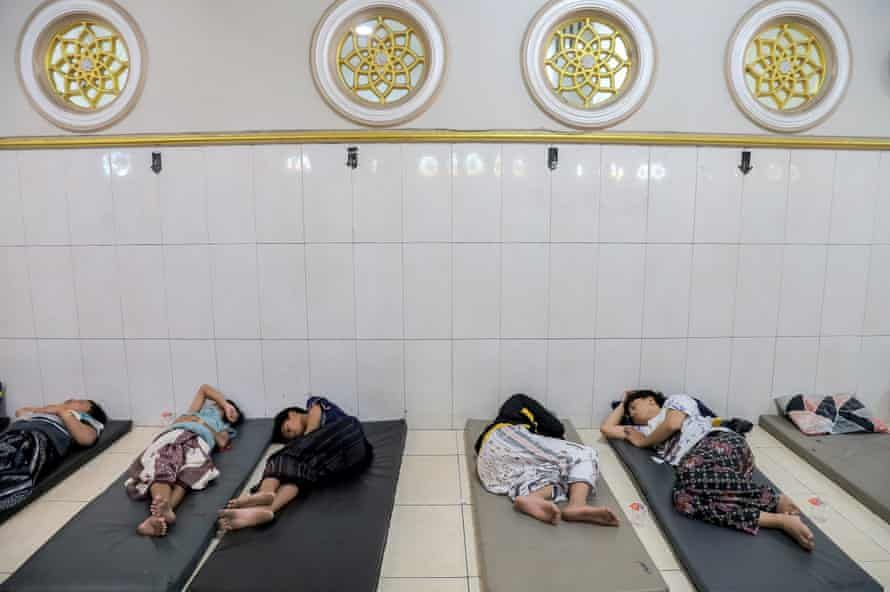
In Agam, West Sumatra, a further 237 students and teachers reportedly became ill after eating their meals, with eggs suspected of being responsible for the illnesses.
Three Separate Incidents Raise Fresh Concerns
Sidoarjo Records The Largest Outbreak
The Sidoarjo incident represents the largest reported outbreak this week, with hundreds of students requiring medical attention after consuming meals distributed under the government programme.
Authorities reportedly suspended the kitchen connected to the Sidoarjo incident while investigations and evaluations were conducted to determine what may have caused the widespread illness.
Photographs from the area showed students receiving treatment inside a mosque at an Islamic boarding school after becoming sick following the government-sponsored meal.
The scenes have generated renewed public concern because the programme was specifically established to improve children’s nutrition, making food safety an especially important component of its implementation.
Nganjuk And Agam Also Report Illnesses
The situation was not isolated to Sidoarjo, however, as dozens of students in Nganjuk also reportedly became sick after consuming meals provided through the same government initiative.
In Agam, the number was significantly higher, with 237 students and teachers reportedly affected after eating the meals, while eggs were identified as a possible source.
Local authorities in Agam reportedly suspended distribution of the meals while officials assessed the situation and considered measures necessary to prevent further incidents.
The separate outbreaks have raised questions about whether food preparation, transportation, storage and distribution systems are sufficiently robust for a programme operating on such a massive national scale.
Indonesia’s Free Meals Programme Faces Growing Pressure
Government Initiative Serves Millions
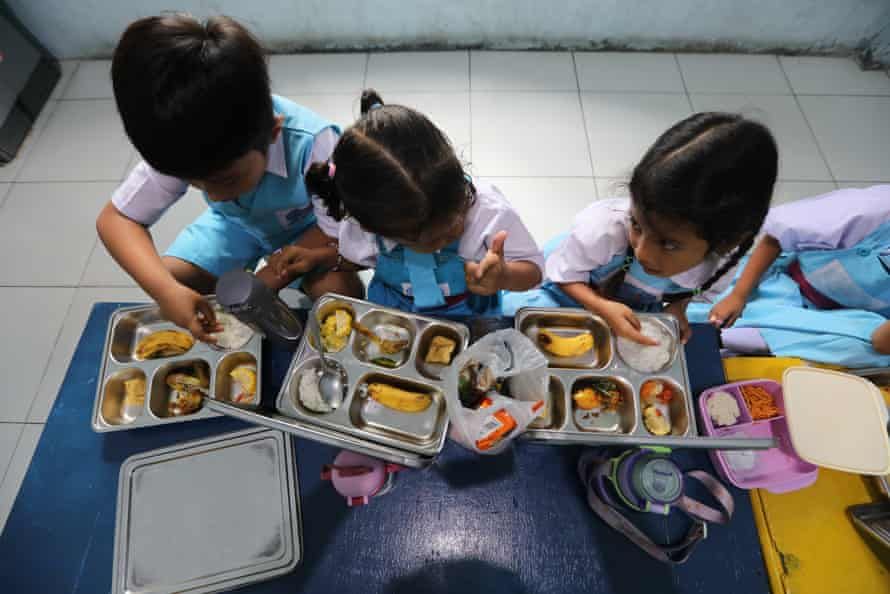
President Prabowo Subianto launched the flagship free-meals programme to tackle malnutrition, with meals being distributed to more than 62 million students and pregnant women across Indonesia.
The programme represents one of the administration’s most ambitious social policies, requiring a vast network capable of preparing, transporting and distributing meals to beneficiaries nationwide.
However, its rapid expansion has been accompanied by controversy, including repeated food-poisoning incidents, allegations of corruption, leadership changes and concerns about the enormous financial demands placed on the national budget.
The latest Indonesia free meals food poisoning cases therefore arrive at a sensitive moment for a programme that has already attracted considerable scrutiny from politicians, civil society groups and ordinary citizens.
Previous Complaints Have Included Contaminated Food
Concerns about food safety are not entirely new. Indonesians have previously complained on social media about disturbing problems involving meals supplied through the government initiative.
Some complaints reportedly involved maggots found in tempeh, shards of glass discovered in rice and concerns that food trays were being washed using dirty water.
These reports have contributed to growing anxiety about the quality-control systems supporting the programme, particularly as authorities continue expanding its reach to millions of beneficiaries.
The scale of the programme means even a small percentage of failures can translate into thousands of affected people, making rigorous food safety procedures essential.
Thousands Have Reportedly Suffered Food Poisoning
Watchdog Raises Alarm Over Growing Numbers
The latest incidents add to a much larger national picture. Network for Education Watch, a non-governmental watchdog, estimated that 37,600 people had suffered food poisoning linked to the programme.
The figure reportedly covered cases recorded through August 8, highlighting the scale of the challenge confronting officials responsible for managing Indonesia’s enormous free-meals initiative.
Charles Honoris, a lawmaker and member of the only political party outside the governing coalition, described the situation as a “failure of the system.”
His assessment reflects wider criticism that the government must strengthen safeguards before continuing to expand the programme to even more schools and communities across the country.
Nutrition Agency Points To Storage Problems
Indonesia’s National Nutrition Agency has previously attributed food-poisoning incidents to problems including improper food storage and delays in delivering cooked meals to beneficiaries.
Such explanations underline the logistical difficulties involved in providing freshly prepared food across a country made up of thousands of islands and geographically diverse communities.
Maintaining appropriate temperatures, ensuring hygienic preparation and delivering meals promptly are all crucial when large quantities of cooked food are distributed to children.
The latest outbreaks could therefore increase demands for stricter inspections, improved transportation systems and greater accountability among kitchens and contractors participating in the programme.
Prabowo Defends His Flagship Policy
President Highlights Programme’s Scale
Despite criticism, President Prabowo has defended the programme and pointed to the enormous number of meals already distributed nationwide.
Prabowo reportedly said that more than one billion meals had been served and argued that poisoning incidents represented only a very small proportion of the total number.
He described the figure as “0.0017% – quite a proud achievement,” while also maintaining that the programme had contributed to improvements in school attendance and academic achievement.
The president’s comments demonstrate his determination to continue the programme despite the controversy, suggesting that the government views its nutritional objectives as too important to abandon.
Government Promises Improvements
Prabowo also acknowledged the need for improvements, particularly as concerns over food safety continue challenging public confidence in the initiative.
Speaking to parliament last month, he said the programme would continue while promising that authorities would work to address problems emerging during its implementation.
“We start with the most fundamental aspect: nutrition,” Prabowo said, stressing the importance of ensuring children have adequate food before attempting to learn.
“Our children must not study while hungry. No child can learn effectively if they are hungry,” the president added, presenting the initiative as a fundamental investment in Indonesia’s future.
Public Satisfaction Has Fallen
Survey Reveals Growing Dissatisfaction
The continuing food-safety controversies appear to have affected public confidence in the programme. A July survey conducted by Saiful Mujani Research and Consulting reportedly found that only around one-third of respondents were satisfied with the scheme.
Food-poisoning incidents were identified as one of the major reasons for dissatisfaction, demonstrating that concerns over meal safety could become a significant political issue for the administration.
For a programme promoted as a solution to childhood malnutrition, reports of students becoming sick after consuming government-provided food present an especially difficult public-relations challenge.
The government must therefore balance the programme’s nutritional ambitions with the equally important responsibility of ensuring that the meals distributed are safe, properly prepared and suitable for consumption.
What Happens Next For The Programme?
Authorities Face Pressure For Stronger Oversight
The immediate priority for authorities is determining exactly what caused the latest illnesses and ensuring affected students and teachers receive appropriate medical attention and follow-up care.
Officials must also establish whether the incidents resulted from contaminated ingredients, inadequate cooking, poor storage, delayed transportation or other failures within the supply chain.
Identifying the causes will be crucial because the programme serves millions of people, meaning weaknesses that remain unresolved could potentially lead to additional outbreaks in other regions.
The suspension of kitchens linked to some incidents suggests authorities are already taking precautionary measures, but critics are likely to demand broader reforms.
Food Safety Could Determine Public Trust
The future success of the programme may depend not only on how many meals the government provides, but also on whether families believe those meals are safe.
Parents are unlikely to remain comfortable with a programme intended to improve children’s health if repeated reports emerge of students becoming sick after eating the food.
The government therefore faces the difficult task of maintaining the programme’s enormous scale while introducing stronger monitoring, quality controls and accountability mechanisms.
For Prabowo, protecting the programme’s credibility could be almost as important as expanding its reach, particularly as public dissatisfaction continues to grow.
Indonesia’s Free Meals Debate Continues
The latest Indonesia free meals food poisoning incidents have placed the government’s flagship nutrition programme under renewed scrutiny, with more than 800 students and teachers reportedly affected this week alone.
The programme remains central to Prabowo’s effort to tackle malnutrition, and officials insist that its enormous scale means the benefits should be judged against the overall number of meals successfully delivered.
Yet the repeated reports of illness demonstrate that food safety cannot be treated as a secondary concern. Every meal distributed to children carries a responsibility to protect their health.
As investigations continue into the incidents in Sidoarjo, Nganjuk and Agam, Indonesians will be watching closely to see whether authorities identify the causes and introduce meaningful safeguards.
Prabowo has made his position clear: “No child can learn effectively if they are hungry.” The challenge now is ensuring that children receiving those meals are also protected from preventable foodborne illnesses.
The debate surrounding the government free meals programme is therefore unlikely to disappear soon. Its success will ultimately depend on whether the administration can deliver nutritious food at scale while restoring confidence in its safety.
About The Author