Nigeria cancels indigenous languages policy in schools; English becomes primary instruction language, improving literacy, learning outcomes, and academic performance.
The Federal Government of Nigeria has officially ended the policy mandating indigenous languages as the primary medium of instruction in schools, a major shift in the country’s education system.
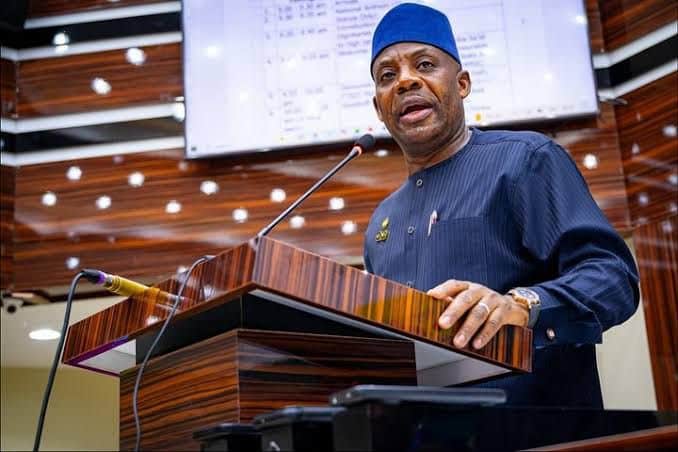
The announcement was made by Education Minister Dr. Tunji Alausa during the 2025 Language in Education International Conference organized by the British Council in Abuja.
The original National Language Policy, introduced in 2022, required children from Early Childhood Education to Primary Six to be taught in their mother tongue or the local language of their community.
The initiative aimed to promote indigenous languages, strengthen cultural identity, and improve learning outcomes in early education, while English remained the official language for higher levels.
Dr. Alausa explained that the decision was informed by data showing poor academic performance in regions that heavily implemented mother-tongue instruction.
“We have observed mass failures in WAEC, NECO, and JAMB in areas that relied extensively on indigenous languages. Evidence must guide policy,” he said.
“English will now be the primary language of instruction across all levels, from pre-primary to tertiary education.”
Education experts argue that this policy reversal may improve literacy and overall academic performance, but it also raises concerns about preserving Nigeria’s rich linguistic heritage.
Nigeria has over 500 indigenous languages, each carrying unique cultural and historical value. Critics warn that removing these languages from the core instruction could weaken students’ connection to their cultural roots.
Dr. Alausa emphasized that indigenous languages will continue to be taught, but as a subject rather than the main teaching medium.
“The aim is not to eliminate indigenous languages, but to ensure students excel academically while learning about their culture.
“English facilitates knowledge acquisition, while indigenous languages preserve identity,” he said.
The government also announced plans to strengthen foundational learning through specialized teacher training programs targeting pre-primary to Primary Three, focusing on literacy and numeracy skills.
“We are equipping teachers with the best methods for effective classroom instruction, ensuring strong literacy foundations for young learners,” said Minister of State for Education, Prof. Suwaiba Ahmed.
The British Council, a longstanding partner in education reforms, reaffirmed its support for the Nigerian government.
Donna McGowan, Country Director, highlighted efforts to improve teacher professional development, school leadership, and language proficiency programs.
The shift aligns Nigeria’s education system with global standards, improving performance in national and international examinations.
While English now dominates instruction, indigenous languages remain critical for cultural education, with experts recommending their integration through language classes, storytelling, and cultural projects.
“Evidence shows that students perform better academically when literacy is strong. English ensures this, while indigenous languages thrive as cultural subjects,” explained an education policy analyst.
Parents and educators have reacted with mixed opinions. Some welcome the change, hoping it boosts academic performance and access to higher education, while others worry it may weaken students’ cultural connections.
Dr. Alausa reassured Nigerians that the government will consider data-driven feedback to maintain a balance between academic excellence and cultural preservation.
“We are committed to enhancing education in Nigeria. While English is now the medium of instruction, indigenous languages will continue to be valued and taught,” he concluded.
The cancellation of the indigenous languages policy represents a major reform aimed at improving literacy, learning outcomes, and national competitiveness while preserving cultural heritage.
Effective implementation will require collaboration between government agencies, educators, and partners like the British Council to ensure students receive high-quality education without losing their cultural identity.
More news at ireport247news
About The Author