The International Monetary Fund (IMF) has raised concerns over the growing debt risks in banks’ portfolios as governments increasingly rely on domestic borrowing.
According to a recent IMF report titled “Sub Saharan Africa: Steady Growth Amid Fiscal Challenges”, the shift toward internal financing is exposing banks to higher risks associated with government debt, which could have ripple effects across the financial sector.
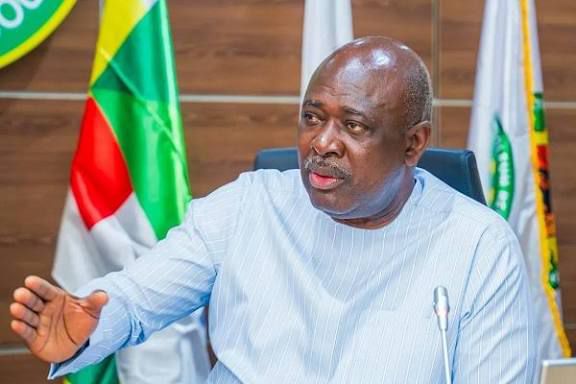
Abebe Selassie, the IMF Director for the African Department, explained that while many African countries have managed to ease inflationary pressures, fiscal vulnerabilities persist.
“As governments increase domestic borrowing, the exposure of banks to sovereign debt risk rises substantially,” Selassie said, warning that poor debt management could imperil both economic growth and financial stability.
The report comes amid a backdrop of rising development needs across the continent, juxtaposed against limited external financing and heavy debt burdens.
The IMF has emphasized that mobilizing domestic revenues remains critical to creating fiscal space while reducing dependency on external debt
Banks’ Debt Risks Rise Amid Domestic Borrowing Surge
The IMF report underscores that banks’ debt risks rise significantly when governments tap into domestic borrowing to fund recurrent expenditure or public projects.
By relying heavily on local financial institutions for loans, governments inadvertently concentrate risk within the banking sector.
Selassie highlighted that improving debt management and transparency is essential to mitigate this risk.
He noted,
“Transparent, credible debt management institutions can cut borrowing costs and attract investors. Publishing comprehensive debt data, engaging openly with creditors, and strengthening oversight procedures are critical steps in achieving fiscal resilience.”
The IMF’s warning has special relevance for Nigeria, where the government has increasingly accessed domestic financing to plug budget gaps and fund infrastructure projects.
Analysts say that without careful management, these debts could exacerbate financial strain on commercial banks, limiting their ability to lend to private enterprises and slowing economic growth.
Prioritizing Social Spending Despite Fiscal Pressures
While highlighting the risks of increased domestic borrowing, Selassie stressed that governments should not cut back on essential social spending.
He urged countries, including Nigeria, to channel savings from subsidy removals toward healthcare and education, areas crucial for long-term development and social stability.
“Now is not the time for spending compression,” he said.
“Developing countries must continue investing in people to sustain growth and improve social outcomes. Strategic spending in key areas can reduce poverty and boost public confidence, even amid fiscal constraints.”
This advice reflects the IMF’s broader strategy of pairing revenue mobilization with visible improvements in service delivery.
The organization emphasized that citizens are more likely to comply with tax reforms when they see public resources efficiently deployed.
Revenue Mobilization and Tax Reforms
The IMF report identifies domestic revenue mobilization as a cornerstone of fiscal stability in Sub-Saharan Africa.
Governments are encouraged to strengthen tax systems, improve compliance, and adopt digital solutions to enhance efficiency.
Countries such as Ghana, Rwanda, and Tanzania have reportedly made notable progress by digitizing tax collection and engaging citizens effectively.
Selassie noted that successful reform depends not only on technical fixes but also on trust and sequencing.
Poorly designed taxes or weak enforcement can undermine public support, resulting in negligible gains despite reform efforts.
Debt Management Tools for Resilient Growth
Beyond revenue mobilization, the IMF stressed the importance of innovative debt management tools to reduce risk exposure.
Instruments such as blended finance, which combines concessional and private capital, can channel funds into green energy, health, and infrastructure projects.
Debt-for-development swaps were also highlighted as a viable solution.
By converting existing sovereign debt into funding for specific social or environmental projects, countries can achieve dual objectives of debt reduction and developmental impact.
Côte d’Ivoire’s successful use of such instruments serves as an example of their potential benefits.
Selassie emphasized that successful deployment of these tools requires credible regulation, transparent data, and simplified procedures.
When implemented effectively, these strategies can help governments support inclusive, sustainable growth while minimizing banks’ exposure to sovereign debt.
Inflation and Financial Stability Concerns
Although inflation has eased in parts of Africa, the IMF reported that approximately 20% of economies still experience rates above 10%.
This persistent inflation, coupled with stretched international reserves, presents further challenges to fiscal and monetary authorities.
“The combination of elevated inflation, heavy debt burdens, and reliance on domestic borrowing intensifies the need for coordinated fiscal strategies,” Selassie said.
He warned that banks’ debt portfolios could become increasingly fragile if governments fail to manage borrowing prudently.
Strategic Action Required
The IMF’s analysis delivers a stark warning for policymakers across Sub-Saharan Africa. As governments lean on domestic borrowing, banks’ debt risks rise, potentially undermining financial stability and growth prospects.
Strategic action—including revenue mobilization, targeted social spending, and innovative debt management—is essential to mitigate these risks.
For Nigeria and other developing countries in the region, the message is clear: balancing fiscal responsibility with social investment is critical.
Without such measures, rising sovereign debt could strain the banking sector, restrict private sector credit, and compromise economic development.