Ibadan Circular Road tensions eased on Wednesday as Oyo State Governor, Engineer Seyi Makinde, visited the Ologuneru axis to directly address the fears and frustrations of residents affected by the ongoing construction.
The governor, fulfilling a promise made earlier in the week, arrived at the site personally at 12:50 p.m., accompanied by top government officials, community leaders, and project stakeholders.
Present at the meeting were the Secretary to the State Government, Prof. Olanike Adeyemo; Speaker of the House of Assembly, Rt. Hon. Adebo Ogundoyin; Chief of Staff, Otunba Segun Ogunwuyi; the Head of Service, Mrs. Olubunmi Oni; commissioners, local government chairmen, and several monarchs.
Their turnout reflected government’s commitment to resolving all concerns tied to the Ibadan Circular Road development.
Six community representatives spoke on behalf of the affected residents, expressing deep distress over the newly introduced corridor enforcement.
One resident pleaded that the 150-meter setback was too wide and called for a review, suggesting a 60-meter allowance—30 meters on each side—as a more humane alternative that would still allow the project to proceed.
Another representative raised serious concerns about compensation, stating that no payments had been made despite repeated markings on their homes and farmlands.
He insisted that if demolition is unavoidable, compensation must match the value of years of hard labour invested in their properties.
“These houses are our sweat,” he said, adding that meagre compensation would leave families stranded and traumatized.
Residents also described how different ministries and officials had visited repeatedly, marking various properties and issuing conflicting directives.
They appealed to the governor to create a single, coordinated channel for information to prevent further chaos.
In response, Governor Makinde made a decisive announcement that only the New Town and Cities Development Authority will henceforth communicate with residents regarding the Ibadan Circular Road.
This measure, he explained, aims to stop multiple agencies from issuing contradictory instructions.
Makinde proposed a joint committee made up of government officers and community-nominated representatives.
This body will verify markings, manage grievances, and ensure transparency.
He stated firmly that the approved setback remains 150 meters and urged residents to ignore any marking outside the official boundary.
“If anyone marks your house outside the 150 meters, disregard it,” he declared.
Makinde reassured residents that no structure will be demolished without proper and adequate compensation.
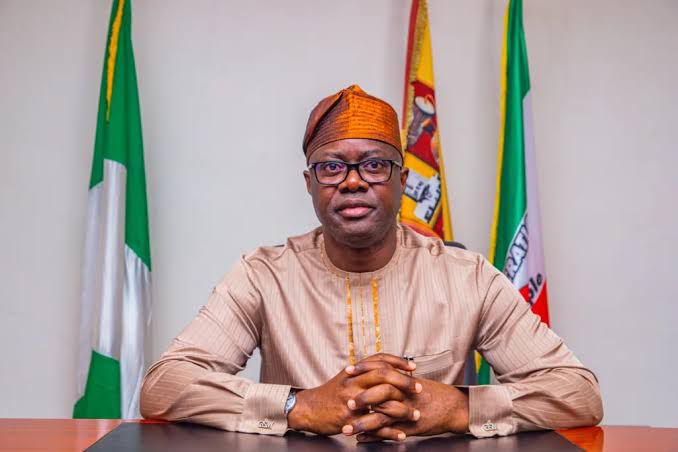
He explained that government development should uplift people, not destroy livelihoods.
The community cheered as he emphasized his personal commitment to fairness throughout the execution of the Ibadan Circular Road project.
The governor provided updates on the work underway, including bridges and hydraulic structures forming part of the Circular Road’s first segment. He expressed hope that his administration would not only complete the existing phase but also push through the second 40-kilometer stretch from Badeku to Moniya.
However, he acknowledged that the final stretch—from Moniya to Tech-U through Ologuneru—may be completed by the next administration, stressing that the project is a multi-phase investment designed to boost transportation, economic activity, and regional development.
Governor Makinde’s visit brought relief and clarity to a community shaken by inconsistent communication, fear of displacement, and uncertainty about compensation.
His assurance that only official 150-meter markings will be recognized—and that no property will be touched without fair compensation—restored confidence in the government’s intentions.