Former Lleyton Hewitt coach Roger Rasheed has openly criticized the upcoming “battle of the sexes” exhibition between Nick Kyrgios and Aryna Sabalenka in Dubai.
Rasheed described the December 28 clash as “quite insulting” and questioned its value for professional tennis, highlighting concerns about the spectacle overshadowing genuine competition.
The exhibition match, set in Dubai, will follow modified rules reminiscent of the 1973 Billie Jean King vs Bobby Riggs encounter, though Rasheed argues the comparison is flawed.
Rasheed stated on ABC Sport that the event offers no real advantage for the players, particularly Sabalenka, questioning the integrity and seriousness of such exhibition matches.
Many tennis enthusiasts have debated whether mixed-gender exhibition matches benefit the sport or reduce it to a commercialized spectacle focused more on entertainment than skill.
Nick Kyrgios, known for his charisma and controversial moments on the ATP tour, is being positioned as the male figure in this exhibition, adding to Rasheed’s concerns.
Aryna Sabalenka, currently a top-ranked WTA player, is being asked to compete under modified rules that Rasheed suggests may undermine her professional accomplishments and competitive legitimacy.
Rasheed emphasized that from a coaching perspective, there is little value in arranging matches that prioritize publicity over athletic performance, calling the event “a lose-lose scenario.”
Historically, the 1973 King-Riggs battle was groundbreaking and symbolic, but Rasheed argues today’s version lacks context and risks sending the wrong message about gender in tennis.
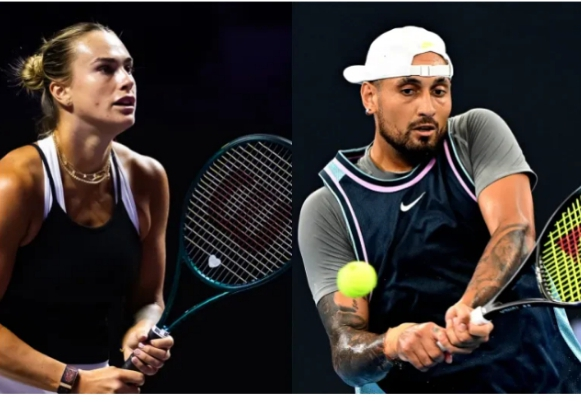
The commercial aspect of the Dubai exhibition is evident, with sponsors and media coverage taking center stage, potentially overshadowing the athletic achievements of both Kyrgios and Sabalenka.
Critics suggest that such exhibitions could detract from serious competition, as players are expected to entertain rather than demonstrate peak tennis skill, diminishing professional standards.
Rasheed’s comments highlight a broader conversation about the commercialization of tennis and whether spectacle-driven events contribute meaningfully to the sport’s development or reputation.
Supporters of the exhibition argue it promotes inclusivity and draws attention to women’s tennis, but Rasheed’s critique centers on respect for players’ competitive integrity above marketing.
Modified scoring rules and gimmicks in exhibitions can sometimes lead to unbalanced outcomes, and Rasheed questions whether this format is appropriate for a top-level female player like Sabalenka.
The tennis community remains divided, with fans expressing curiosity while coaches and former players voice concern, reflecting a tension between entertainment and athleticism in modern tennis.
Kyrgios himself has participated in numerous exhibition matches before, but Rasheed implies that pairing him against a world-class female opponent in this context may appear disrespectful.
Exhibition matches often aim to boost viewership, generate sponsorship deals, and create viral moments, but Rasheed’s critique reminds stakeholders that competitive fairness must remain a priority.
Sabalenka’s team must weigh the potential commercial benefits against possible reputational risks, especially in a match widely criticized for its lack of competitive seriousness.
The Dubai clash will be highly publicized globally, yet Rasheed fears this may set a precedent where marketability outweighs genuine sporting accomplishment in tennis exhibitions.
Rasheed also noted that the event may inadvertently minimize women’s achievements, framing the exhibition as a spectacle where the female player is positioned at a perceived disadvantage.
Despite the criticisms, the match has generated significant media buzz, illustrating the tension between modern sports marketing and traditional perspectives on competitive respect.
Exhibition events like this raise questions about how tennis governs mixed-gender matches, how rules are adjusted, and how players’ reputations are maintained in non-traditional contests.
Rasheed’s outspoken remarks may influence future discussions on whether similar exhibitions should involve top-ranked athletes or be reserved for entertainment-focused, retired, or lower-ranked players.
Fans of both Kyrgios and Sabalenka are curious to see the outcome, but Rasheed’s viewpoint encourages a more thoughtful consideration of ethical, competitive, and professional implications.
Tennis governing bodies might need to address the criticism if exhibitions like this become frequent, balancing audience engagement with respect for athletes and the integrity of rankings.
Ultimately, the “battle of the sexes” in Dubai highlights the ongoing debate over the commercialization of tennis, player dignity, and the line between entertainment and competitive sportsmanship.
While the event promises excitement, Rasheed’s warnings underscore that not all publicity-driven spectacles serve the sport’s long-term growth or honor the athletes involved.
Read also: Bukayo Saka Wolves brilliance: A historic Arsenal display After 10 years
As December 28 approaches, the tennis world will closely watch the clash, weighing the spectacle against the criticism and reflecting on the evolving intersection of gender, marketing, and competition.
About The Author