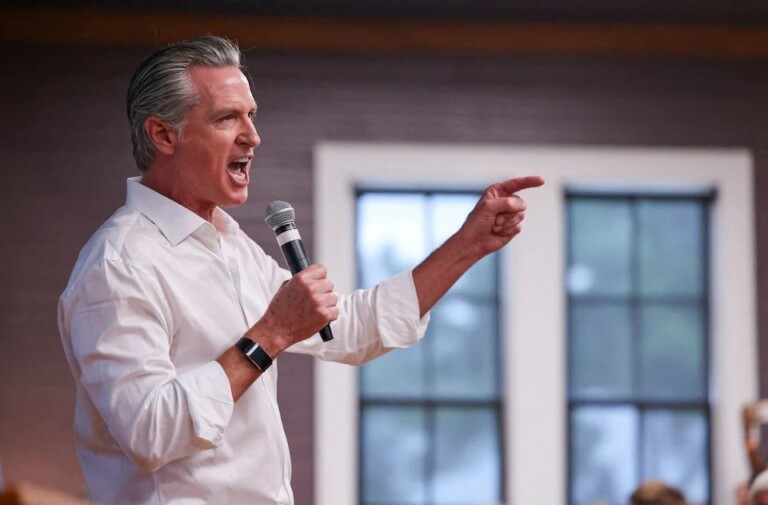
Hernández praises Trump pardon as he delivers his first public message since regaining his freedom, framing the dramatic intervention as divine mercy and political vindication.
Former Honduran leader Juan Orlando Hernández used his post-release address to insist he endured a massive injustice, claiming his trial revealed coordinated political efforts designed to destroy his credibility.
He framed his remarks as a spiritual awakening, insisting faith sustained him during months of legal turmoil, isolation, personal humiliation and a dramatic collapse of his long-standing political stature.

Hernández leaned heavily on religious and political language, thanking God repeatedly before directly applauding Donald Trump for issuing an unprecedented act of presidential clemency.
The message came as supporters, critics and international observers assessed the implications of such a controversial decision, which arrived during heightened global attention on narcotrafficking networks.
In the video address, he portrayed himself as a victim of fabricated accusations, insisting prosecutors deliberately misrepresented evidence to create a damaging narrative that tarnished his presidency.
He argued that hostile actors inside Honduras and the United States exploited his reform agenda, particularly his public commitments to combating criminal cartels and confronting organized trafficking.
Hernández praises Trump pardon again during his address, calling it a powerful signal against what he described as politically motivated prosecutions targeting leaders who challenge entrenched interests.
He claimed that individuals aligned with previous U.S. administrations sought revenge for his refusal to tolerate corrupt political behaviors that allowed criminal enterprises to flourish in Central America.
The former president insisted that deep state operatives coordinated with political adversaries to engineer damaging testimony, sensational charges and a judicial climate designed to guarantee conviction.
He said his release confirmed a larger truth about global politics, arguing power struggles often rely on manufactured crises rather than evidence-driven legal scrutiny or impartial justice systems.
While celebrating freedom, he expressed deep bitterness toward those he accused of trying to destroy his moral character, political record and long-term legacy within Honduran public life.
The video included moments of emotional reflection, with Hernández recounting his time in a U.S. federal prison, describing the experience as painful, isolating and spiritually transformative.
He stated that regaining his freedom now obliges him to restore what he called the truth, saying silence would allow misinformation and political manipulation to dominate global narratives.
His remarks triggered an immediate wave of debate among journalists, analysts and legal experts, many of whom questioned the accuracy and timing of his claims about politically motivated prosecution.
Multiple commentators stressed that his conviction followed substantial witness testimony, documentary evidence and years of investigative work detailing complex connections to international trafficking networks.
Despite these challenges, Hernández maintained a confident posture, asserting he never abandoned hope and always trusted divine justice, even when facing the bleakest moments of incarceration.
He said Trump’s decision demonstrated courage, calling it a defining moment in their political relationship and a turning point that forever changed the trajectory of his personal life.
Hernández praises Trump pardon repeatedly in the message, describing it as a historic political act that countered what he labeled an alliance of adversaries intent on silencing him permanently.
The former president used strong rhetorical language, describing himself as a leader persecuted solely because he championed law, order and anti-cartel initiatives throughout his tenure.
Observers noted, however, that his administration faced repeated accusations of facilitating trafficking routes, receiving cartel funds and enabling networks that expanded operations across Central America.
Legal analysts highlighted that U.S. prosecutors accused Hernández of accepting payments from Joaquín “El Chapo” Guzmán and overseeing policies that benefited violent criminal organizations.
Despite these allegations and the weight of his conviction, Hernández’s supporters embraced the pardon as evidence that powerful political allies recognized broader injustices in his prosecution.
The video sparked renewed scrutiny of U.S. foreign policy decisions, particularly the administration’s approach to security partnerships and its willingness to intervene in regional political disputes.
International organizations expressed concern that the pardon may undermine ongoing anti-narcotics cooperation, sending mixed messages about accountability and the consequences of high-level corruption.
The timing added further controversy, coinciding with an increasingly contentious Honduran election in which Washington openly backed a candidate aligned with Hernández’s political circle.
Analysts argued that such overt political involvement risked destabilizing public confidence, deepening polarization and compromising the credibility of democratic processes already under considerable strain.
Political commentators emphasized that Hernández’s narrative aligns closely with familiar rhetoric used by global leaders seeking to reframe criminal charges as partisan conspiracies.
His supporters echoed those claims online, amplifying themes of persecution, judicial overreach and ideological bias, despite clear judicial records documenting the severity of his offenses.
Hernández praises Trump pardon while simultaneously attacking adversaries, an approach many observers described as strategic messaging aimed at reshaping public sentiment across Honduras.
The messaging also reinforces a growing trend of populist narratives where leaders cast legal accountability as political warfare and public scrutiny as orchestrated smear campaigns.
Within hours of the video’s publication, social media platforms hosted heated exchanges, community notes, fact-checks and debates challenging the accuracy of Hernández’s statements and denials.
A prominent community correction underscored key facts, noting that Hernández had been convicted by a jury and sentenced to decades in prison following extensive courtroom proceedings.
The correction linked directly to official judicial documentation, which publicly detailed the charges, evidence and legal reasoning behind the lengthy sentence imposed last year.
Critics argued that the former president attempted to overshadow established facts using emotive rhetoric, religious framing and political language designed to evoke sympathy and doubt.
Nevertheless, his message resonated among sectors of his base, particularly individuals who believe international institutions unfairly target conservative Latin American leaders.
Several political strategists observed that Hernández may attempt to reintegrate into regional politics, using the pardon to rebuild influence and challenge existing power structures.
The possibility raises serious questions about future bilateral relations between Honduras and the United States, particularly regarding security cooperation and anti-corruption standards.
Many international observers warned that the pardon risks emboldening other leaders implicated in criminal activities, undermining long-term regional stability and democratic accountability.
Despite these risks, Hernández appeared determined to reposition himself as a vindicated figure, using his platform to present an alternative interpretation of events surrounding his conviction.
His speech concluded with a pledge to continue speaking publicly, promising to lead what he called a campaign to restore truth, justice and political balance across Honduras.
Hernández praises Trump pardon one final time in his closing remarks, framing the moment as both a personal triumph and a symbolic victory for his supporters worldwide.
Whether his message succeeds in reshaping his legacy remains uncertain, yet the controversy surrounding his release ensures global attention will remain fixed on upcoming developments.
Analysts will continue monitoring the political fallout, legal implications and shifting alliances that arise as Hernández reenters a volatile landscape already marked by deep division.
For now, the former president appears focused on reclaiming public credibility, using faith, political loyalty and the pardon narrative to reposition himself on the regional stage.
His future actions will determine whether the narrative he constructs becomes a lasting political tool or a temporary attempt to rewrite the consequences of his presidency.
As international observers evaluate the next chapter, the broader implications of Hernández’s release will influence debates on justice, governance and accountability for years to come.
About the Author