Gaza phase two transition emerges as the central focus shaping expectations, sharpening disagreements, and redefining how regional actors interpret the fragmenting reality of Gaza’s fragile frontline dynamics.
Israel continues insisting the Gaza phase two transition must restructure authority in the enclave, yet Hamas frames discussions around resistance rights, political legitimacy, and reciprocal guarantees under prolonged ceasefire conditions.
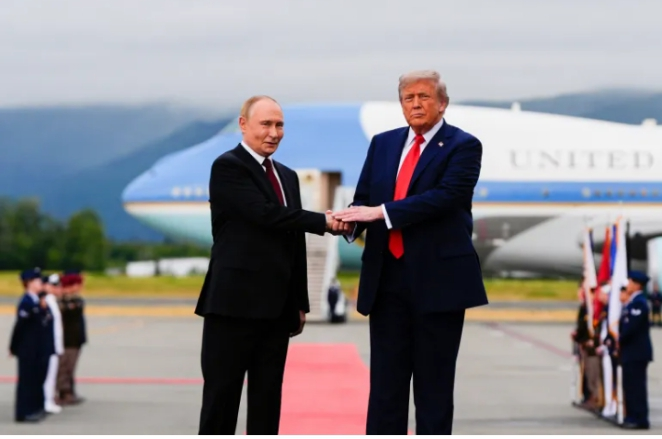
The US-mediated peace framework attempts to create a shared pathway, but its blurred timelines and vague enforcement mechanisms raise questions across diplomatic channels struggling to maintain credibility.
Hamas leaders argue the US-mediated peace framework fails to resolve longstanding occupation grievances, even as mediators press for incremental consensus around immediate humanitarian access and controlled demilitarisation steps.
Israel intensifies pressure as part of the Hamas disarmament debate, demanding verifiable guarantees that weapons stockpiles will be eliminated to achieve sustainable post-conflict security assurances.
The Hamas disarmament debate gains urgency as battlefield realities shift, with each side signalling conditional openness yet refusing concessions that might undermine political capital or internal cohesion.
Israeli officials maintain that Israeli security red lines remain absolute, centred on preventing militant reconstitution, ensuring operational dominance, and securing long-term deterrence near border communities shaken by years of conflict.
These Israeli security red lines complicate negotiations, as Hamas interprets them as attempts to cement permanent Israeli control over strategic corridors and infrastructural choke points across Gaza.
Regional diplomatic pressure intensifies, with Qatar, Egypt, and Turkey urging faster movement towards clarity, stability, and renewed commitments that might prevent another devastating conflict spiral.
Despite regional diplomatic pressure, disagreements persist around responsibility zones, international troop mandates, and the sequencing of political empowerment envisioned for a future Palestinian governing body.
Hamas officials express scepticism toward interpretations of phase two, stating foreign forces cannot intervene deeply in internal affairs or manage resistance activities without violating Palestinian sovereignty.
Israel counters by insisting foreign deployment must enforce conditions, verify compliance, and provide monitoring mechanisms protecting Israeli communities during the volatile Gaza phase two transition.
Washington argues external forces are essential for safeguarding civilians, monitoring commitments, and sustaining momentum behind the broader US-mediated peace framework during politically fragile phases.
Officials claim any stabilisation force must operate with strict neutrality, though details remain unclear, fuelling anxiety among stakeholders already distrustful of previous international arrangements.
Netanyahu asserts that eliminating Hamas’s military infrastructure remains indispensable, reinforcing the Hamas disarmament debate and framing disarmament as the anchor of genuine diplomatic progress.
Hamas leadership responds by reiterating their right to resist, signalling disarmament could form part of a future political transformation, but not under present battlefield conditions.
International analysts warn that zero-sum expectations risk collapsing the current truce, undermining fragile advances and prolonging suffering throughout Gaza’s distressed population.
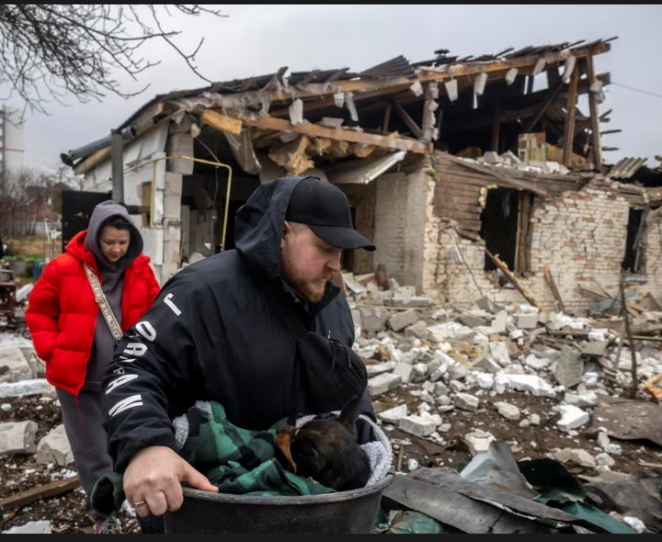
Talks intensify as humanitarian agencies highlight urgent needs, describing shortages, displacement, and ongoing casualties as unacceptable barriers to any functional Gaza phase two transition.
Israel’s military insists its repositioning behind the “yellow line” reflects operational necessity, though critics interpret it as reinforcing contested boundaries under ambiguous wartime authority.
As debate grows around the yellow line, Palestinian representatives accuse Israel of redefining borders unilaterally, cementing military advantage while undermining negotiated outcomes.
The Israeli army maintains the yellow line protects communities, offering tactical depth and operational flexibility vital for responding to unforeseen threats within the enclaves’ shifting security landscape.
Hamas rejects the concept, calling it illegitimate and incompatible with obligations tied to the US-mediated peace framework guiding current truce mechanisms.
Observers argue the yellow line border dispute could destabilise broader progress, especially if unilateral movements contradict agreed milestones shaping early implementation phases.
International legal experts describe the evolving border claims as dangerous precedents, stressing that durable peace requires transparent frameworks grounded in recognised international norms.
Meanwhile, Washington encourages both sides to maintain discipline, asserting that maintaining calm is central to preserving the integrity of the Gaza phase two transition.
Diplomats worry escalating rhetoric could drown technical discussions necessary to stabilise essential infrastructure, governance channels, and civil restoration programmes envisioned by humanitarian partners.
Humanitarian workers emphasise that repeated airstrikes, limited access routes, and disrupted aid corridors undermine the credibility of ceasefire arrangements necessary for trust-building.
Israel defends targeted operations as responses to perceived threats, though such actions complicate communication between negotiating teams responsible for implementing delicate confidence-building steps.
Mediators warn the situation could deteriorate quickly if both sides fail to maintain restraint or fulfil obligations central to the next phase’s viability.
Qatar highlights the fragile moment, reminding negotiators that sustained stability requires honesty, discipline, and consistent adherence to core principles shaping durable diplomatic agreements.
Turkey similarly cautions that ambiguity could embolden spoilers intent on undermining the US-mediated peace framework and derailing planned governance transitions.
Egypt urges urgent acceleration, arguing prolonged uncertainty deepens despair and weakens the civilian infrastructure essential for long-term rehabilitation and economic recovery.
Analysts note the regional diplomatic pressure reflects broader fears of a wider regional spillover as cross-border tensions rise between neighbouring states grappling with internal political crises.
Israel signals willingness to continue discussions, though leaders stress Hamas must meet obligations across the Hamas disarmament debate before political transformations can proceed.
Hamas reiterates willingness to consider long-term arrangements if international guarantees protect Palestinian rights and prevent coercive security measures cloaked in technical language.
International security experts claim that without genuine consensus, phase two risks becoming symbolic rather than substantive, prolonging gridlock and fuelling renewed confrontation cycles.
Civil society groups emphasise the need for genuine accountability, calling for transparent monitoring mechanisms that prevent abuses and provide meaningful protection for displaced communities.
Reports indicate growing frustration among displaced families, who fear political disagreements are overshadowing urgent needs such as shelter, medical assistance, and electricity restoration.
Human rights advocates argue that the humanitarian situation must remain central, warning that neglect will deepen trauma and fuel future instability even if political mechanisms advance.
Negotiators face mounting pressure from multiple fronts, each demanding concessions that risk alienating core supporters on whom political legitimacy and internal cohesion depend.
Observers caution that prolonged stalling could trigger mass disillusionment, undermining faith in diplomatic avenues and strengthening hard-line narratives across the region.
Despite challenges, mediators insist the Gaza phase two transition remains possible, provided all stakeholders honour commitments and demonstrate flexibility grounded in mutual recognition.
Officials argue a comprehensive settlement requires patience, trust, and realistic sequencing that reflects political, humanitarian, and security needs shaping post-war Gaza’s uncertain future.
Governments across the region hope incremental progress will eventually deliver a durable arrangement, stabilising borders and establishing foundations for improved diplomatic cooperation.
Whether parties can overcome mistrust remains uncertain, yet the Gaza phase two transition continues guiding negotiations amid competing visions, contested mandates, and escalating diplomatic urgency.
About The Author