Kremlin applauds Trump’s overhaul of US global security doctrine, marking a dramatic pivot in American foreign policy with significant implications for Europe, Russia, and global stability.
Russian officials described the new strategy as “closely aligned” with Moscow’s long-term vision, suggesting a potential thaw in relations after years of tension and strategic rivalry.
The document warns Europe faces “civilizational erosion,” language analysts say resonates with far-right narratives, framing global security issues as entwined with cultural and political identity.
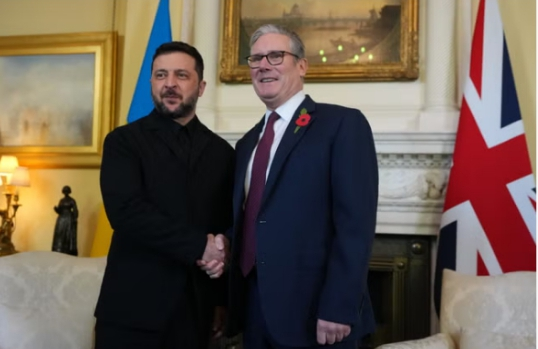
Dmitry Peskov, Kremlin spokesperson, said the strategy “corresponds in many ways to our vision,” highlighting Moscow’s satisfaction with Washington’s reassessment of NATO and European priorities.
Peskov praised the text addressing NATO expansion, noting that ending the perception of the alliance as a “perpetually expanding” force aligns with Russia’s long-standing security concerns.
Moscow has repeatedly argued that NATO growth threatens stability, making US acknowledgment of these concerns a major diplomatic win for the Kremlin’s narrative.
However, Peskov cautioned that US internal opposition, sometimes labelled the “deep state,” could hinder full implementation, signaling potential tension between Washington policymakers and the president’s strategy.
Trump’s repeated references to the “deep state” reflect broader political conflict in the US, complicating efforts to execute ambitious foreign policy shifts without domestic obstacles.
Critics claim the term erodes confidence in government institutions, while supporters argue it exposes entrenched bureaucratic resistance obstructing transformative global strategies under Trump.
Since Crimea’s annexation in 2014, US doctrine has viewed Russia as a destabilizing force, contrasting sharply with the current strategy’s conciliatory undertones and emphasis on dialogue.
The revised US plan now identifies ending the Ukraine war as a core interest, marking a historic pivot toward pragmatic diplomacy with Moscow at the center.
This strategic shift coincides with heightened tensions between Trump and Ukraine’s President Volodymyr Zelenskyy, who has frequently sought stronger US support amid growing military pressure.
US officials have suggested Kyiv consider territorial concessions, a position provoking concern in Ukraine and Europe about undermining sovereignty and encouraging Russian aggression.
Zelenskyy is set to meet in London with leaders of the UK, France, and Germany for crucial discussions on Ukraine’s future and European security arrangements.
European governments remain wary, fearing that US backing of Moscow’s position could embolden Russia while weakening NATO cohesion and undermining collective defense commitments.
Trump’s administration argues ending the war quickly is essential to prevent prolonged economic strain, transatlantic divisions, and escalation into wider regional conflict.
Analysts caution that pressuring Ukraine into concessions could create long-term instability, risking renewed fighting once political conditions or guarantees change in the region.
The revised doctrine also shifts focus to the Indo-Pacific, calling it a “key economic and geopolitical battleground” requiring robust US military presence and strategic partnerships.
Washington aims to deter Chinese aggression toward Taiwan through force projection, alliance-building, and enhanced regional cooperation, signaling a comprehensive Indo-Pacific security strategy.
Russia, isolated by Western sanctions, has strengthened ties with China, using economic and military cooperation to mitigate global pressure while projecting strategic influence abroad.
Trump has consistently warned against a close Russia-China alliance, stating that history demonstrates such partnerships undermine US interests and threaten global balance.
Experts interpret the doctrine as Trump’s attempt to reshape the post–World War II order, applying an “America First” lens to redefine alliances and security priorities.
Supporters argue the overhaul restores clarity and strength to US foreign policy, while critics warn it risks alienating traditional partners and destabilizing multilateral frameworks.
The strategy emphasizes defending Europe’s “Western identity,” language that resonates with nationalist and conservative constituencies in the US and across the continent.
Observers note this framing could politicize cultural identity, potentially deepening divisions internally and complicating diplomacy with partners holding divergent social and political norms.
Moscow, however, interprets the focus on identity and strategic stability as acknowledgment of Russia’s worldview, reinforcing its perception of shared priorities with Washington.
The secondary keyphrase NATO expansion pressure appears throughout the strategy, signaling intent to halt alliance enlargement and reduce tensions on Europe’s eastern frontier.
European capitals fear that US recalibration could fragment NATO unity, emboldening Russia and destabilizing existing collective security mechanisms that have underpinned peace for decades.
Another keyphrase, Ukraine peace diplomacy, captures the strategic emphasis on brokering negotiations with Kyiv, balancing American interests with regional stability, and managing Moscow’s expectations.
Trump’s plan places diplomatic engagement at the forefront, signaling a willingness to facilitate discussions that could redefine territorial arrangements and end prolonged conflict.
The document’s Indo-Pacific security strategy highlights the US pivot to Asia, reflecting concern over China’s regional assertiveness and the broader contest for economic and military dominance.
US commitments include expanded military presence, joint exercises with allies, and economic initiatives designed to deter aggressive moves toward Taiwan or other contested regions.
Finally, strategic alignment with Moscow emerges as a key theme, demonstrating a willingness to coordinate policies where US and Russian interests converge, despite ongoing disagreements elsewhere.
Peskov’s statements suggest that Russia sees the strategy as a blueprint for cooperation, potentially easing tensions while reinforcing Moscow’s demands regarding NATO and Europe’s security framework.
Analysts emphasize the delicate balance required, warning that aligning with Moscow could alienate European partners while providing limited guarantees of compliance or stability.
Despite concerns, US officials argue that engagement, rather than isolation, could produce measurable benefits, including arms control agreements, regional stability, and managed competition.
Critics, however, caution that such alignment risks rewarding aggressive behavior and undermining longstanding international norms, setting a precedent for other regional conflicts.
Trump’s rhetoric frames diplomacy as transactional, emphasizing results over traditional moral imperatives, prioritizing negotiated outcomes with Russia over ideological confrontation.
Secondary keyphrase Western identity defense underscores the administration’s focus on cultural and civilizational narratives, tying Europe’s cohesion to security and American strategic interests.
The document’s emphasis on identity, diplomacy, and deterrence signals a multifaceted strategy designed to recalibrate global power structures while reinforcing selective US commitments.
Observers note the boldness of the approach, suggesting that Trump aims to redefine both allies’ and adversaries’ expectations, asserting American influence on his terms.
European leaders are closely watching, balancing strategic necessity against moral imperatives and alliance credibility, wary of endorsing policies that may favor Russian objectives.
As the Ukraine conflict evolves, the strategy will be tested in real-world diplomacy, requiring careful negotiation, credible deterrence, and nimble adaptation to shifting geopolitical realities.
The Kremlin’s approval highlights Russia’s strategic satisfaction, but also sets expectations for tangible concessions, raising stakes for Trump’s administration in upcoming negotiations.
Secondary keyphrase global alliance restructuring captures the strategy’s broader ambition to revise partnerships, reassess commitments, and potentially reorder international institutions to favor US priorities.
Trump’s approach demonstrates a willingness to challenge established post–World War II norms, leveraging both diplomacy and military signaling to achieve strategic objectives.
Critics argue such unilateral action risks backlash, destabilizing established treaties and alliances, while proponents say bold recalibration is necessary to counter emerging threats.
Secondary keyphrase civilizational threats in Europe reflects the strategy’s framing of security risks, combining military, economic, and cultural considerations to justify a proactive approach.
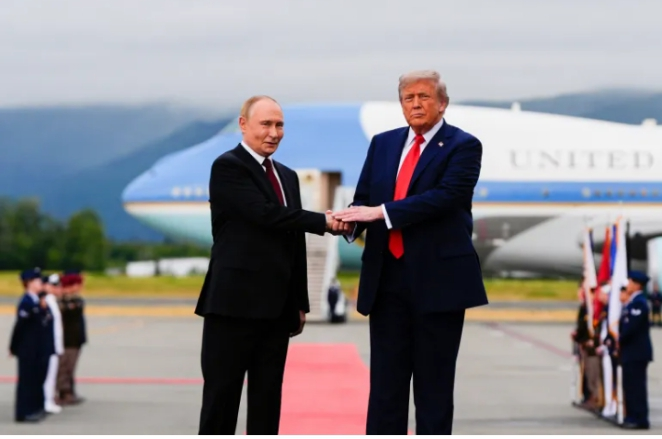
The US strategy’s integration of diplomacy, deterrence, and identity politics underscores an assertive vision of national interest pursued through both negotiation and selective pressure.
Ultimately, the Kremlin’s praise reinforces the perception that Trump’s strategy has achieved its first goal: signaling a willingness to align US and Russian interests pragmatically.
Analysts caution, however, that successful execution requires balancing European concerns, deterring China, and managing domestic opposition to ensure credibility and effectiveness.
The document sets a precedent for strategic boldness, combining traditional military planning with innovative diplomacy, shaping global perceptions of US influence and reliability.
Secondary keyphrase territorial negotiations with Ukraine reiterates the strategy’s focus on ending conflict through dialogue, with Moscow’s interests factored into potential agreements.
While risks remain high, proponents argue the new doctrine offers a roadmap for conflict resolution, alliance management, and deterrence calibrated for a multipolar world.
The strategy signals a return to transactional diplomacy, emphasizing practical outcomes over ideological consistency, placing US interests at the center of global negotiations.
Finally, Kremlin approval underscores Moscow’s strategic satisfaction, though implementation will test the limits of transatlantic relations, domestic politics, and the balance of global power.
—
About The Author