

Greece signs deal to supply gas to Kyiv, ensuring that US-origin liquefied natural gas reaches Ukraine during a difficult winter, enhancing Ukrainian energy security and supporting European energy cooperation.
The agreement, covering December 2025 through March 2026, guarantees winter energy supply for households, hospitals, and industry, reducing the impact of Russian strikes while reinforcing regional resilience and European energy cooperation.
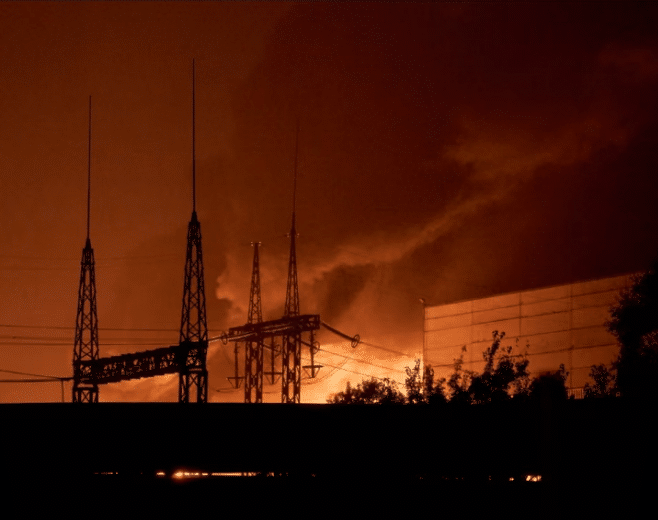
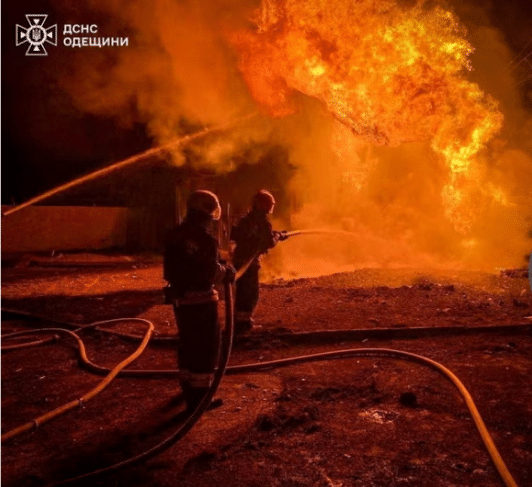
Russian strikes on Ukrainian infrastructure have repeatedly disrupted power and heating systems, increasing the urgency of international support and demonstrating the strategic importance of Greece’s deal in maintaining winter energy supply.
Ukrainian President Volodymyr Zelenskyy emphasized the significance of the agreement during his visit to Athens, describing Greece’s contribution as essential for civilian protection and Ukrainian energy security during ongoing hostilities.
Military operations continue to affect critical regions, with Russia advancing in Zaporizhzhia, capturing settlements near strategic towns, underscoring the interconnected nature of energy security, civilian safety, and the need for European energy cooperation.
A Russian strike in Balakliia recently killed three civilians and injured ten more, illustrating how attacks compound energy shortages and disrupt Ukrainian energy security while heightening the importance of consistent winter energy supply.
Ukraine’s government has initiated reforms to address corruption in state energy companies, ensuring that Greece’s gas deliveries support Ukrainian energy security effectively and do not fall victim to mismanagement or inefficiency.
Targeted Ukrainian operations against facilities in Russia’s Samara region have disrupted drones and refinery operations, demonstrating Ukraine’s dual strategy of defending energy security while countering military threats amid Russian strikes.
European leaders stress continued support for Ukraine, with Finland’s president warning that a ceasefire is unlikely before spring, emphasizing that winter energy supply and European energy cooperation are essential for resilience.
Environmental concerns intersect with energy policy as Greenpeace reports France’s legal transfer of reprocessed uranium to Russia, raising questions about European energy cooperation ethics while Ukraine relies on secure winter energy supply.
Negotiations for prisoner exchanges between Ukraine and Russia, potentially returning 1,200 Ukrainians, illustrate the broader diplomatic context affecting Ukraine’s ability to maintain energy infrastructure and ensure civilian winter energy supply.
Greece’s initiative exemplifies European energy cooperation, providing alternative energy routes that reduce Ukraine’s dependence on pipelines vulnerable to Russian strikes, reinforcing national and regional winter energy supply stability.
Ensuring winter energy supply is crucial for hospitals, schools, and other essential services, allowing Ukrainian civilians to survive cold months and maintain quality of life amid disruptions caused by Russian strikes.
The Greek deal reflects transatlantic cooperation, integrating US-origin LNG into European supply chains, bolstering Ukrainian energy security, and demonstrating practical European energy cooperation in response to winter energy supply challenges.
Domestic reforms within Ukraine complement international support, strengthening the governance of energy distribution and maximizing the impact of Greece’s contribution to Ukrainian energy security during the coming winter.
Maintaining winter energy supply supports morale and national stability, mitigating the effects of Russian strikes while reinforcing Ukraine’s broader resilience strategy through European energy cooperation and effective infrastructure management.
Alternative energy routes provided by Greece reduce Ukraine’s reliance on vulnerable pipelines, creating strategic redundancy and strengthening both practical and symbolic European energy cooperation during critical winter months.
External support measures like Greece’s LNG deliveries illustrate how European energy cooperation can respond effectively to conflict-induced crises, sustaining winter energy supply and civilian infrastructure in Ukraine.
Energy security is intertwined with military strategy, as consistent winter energy supply allows Ukrainian forces to focus on defense while European energy cooperation ensures civilians and critical infrastructure remain functional.
Analysts highlight that diversified winter energy supply strengthens European resilience, signals commitment to Ukrainian energy security, and demonstrates that Greece’s deal represents an important element of European energy cooperation.
The agreement also contributes to regional energy market stability, integrating US-origin LNG into Ukrainian supply, countering Russian energy leverage, and reinforcing European energy cooperation for the coming winter months.
Winter energy supply is dependent on governance reforms, infrastructure protection, and international collaboration, illustrating that Greece’s deal advances Ukrainian energy security while reinforcing practical European energy cooperation.
Kyiv relies on both international partnerships and domestic reforms to ensure that Greece’s deliveries translate into reliable winter energy supply, supporting hospitals, industry, and civilian households despite Russian strikes.
The deal strengthens European energy cooperation, showing that regional allies can coordinate effectively to protect Ukraine’s energy security and maintain winter energy supply under ongoing conflict conditions.
European nations view Greece’s support as a model for winter preparedness, emphasizing energy security planning, coordinated logistics, and the importance of sustaining Ukrainian energy security amid Russian strikes.
In conclusion, Greece signs deal to supply gas to Kyiv, providing essential winter energy supply while reinforcing Ukrainian energy security and demonstrating practical European energy cooperation in response to conflict.
Ukraine’s ability to endure winter relies on consistent energy delivery, reforms in governance, and continued European energy cooperation, ensuring that civilians and infrastructure remain operational during Russian strikes.
By combining practical energy support with symbolic political backing, Greece strengthens Ukraine’s winter energy supply, reinforces national resilience, and exemplifies effective European energy cooperation in a high-pressure security environment.
The agreement highlights how bilateral initiatives enhance collective European response, allowing Ukraine to maintain heating, electricity, and industry despite Russian strikes and the challenges of winter energy supply.
As winter approaches, Greece’s contribution demonstrates the value of European energy cooperation, diversified supplies, and governance reforms, enabling Ukraine to withstand Russian strikes while maintaining essential winter energy supply.


