In Gaza, graveyards as shelters are now a grim necessity for thousands of displaced Palestinians, forced to flee destroyed homes and find safety where none exists.
Families displaced by relentless airstrikes and bombardments have pitched tents between tombstones. Displaced Palestinians Gaza face minimal protection, scarce water, and no privacy, exposing residents to trauma, health risks, and insecurity.
Rami Musleh, a father of twelve from Beit Hanoon, explained the emotional strain: “Graveyards as shelters are not a choice. They represent the only refuge for our children amid devastation and constant fear.”
Sabah Muhammed described the loss of sacredness: “Cemeteries were for the dead, but now living families occupy them. Gaza humanitarian crisis forces us into spaces never meant for the living or for survival.”
UNRWA estimates 1.9 million Palestinians—nearly 90 percent of Gaza’s population—have been uprooted. Many have been forced to move multiple times, leaving graveyards as shelters a temporary but essential solution for survival.
Northern Gaza residents faced compulsory evacuation, while southern shelters are overcrowded. Displaced Palestinians Gaza often cannot rent land, leaving graveyards as shelters as their only viable option to protect families.
Medical and humanitarian access is restricted, leaving graveyards devoid of clean water, electricity, and essential services. The lack of infrastructure intensifies trauma, particularly among children who cannot leave unsafe areas.
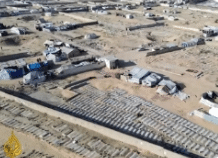
Aid organizations warn that graveyards as shelters reflect the depth of Gaza humanitarian crisis. International pressure urges safe access for food, water, and medical support to prevent further suffering and deaths.
Communities show resilience, organizing shared resources and supporting one another despite harsh conditions. Graveyards as shelters, though temporary, provide a lifeline in a city reduced to rubble, destruction, and fear.
The ongoing blockade and sporadic ceasefires mean families may remain in graveyards as shelters for months, highlighting the urgent need for long-term housing solutions and UN aid Gaza to meet essential needs.
Tens of thousands of homes have been destroyed across Gaza. Entire neighborhoods were flattened, forcing residents to seek any available refuge. Displaced Palestinians Gaza often have no choice but graveyards as shelters.
The psychological toll of living among the dead is profound. Experts report children are particularly vulnerable, experiencing compounded trauma from war, repeated displacement, and unsafe living conditions among tombstones.
“The emotional impact on children is severe,” said Dr. Leila Hassan, psychologist aiding displaced Palestinians. Exposure to conflict and graveyards as shelters shapes development, causing lasting anxiety, stress, and sleep disturbances.
The UN and other agencies provide emergency assistance, including food, water, and medical care. Restricted access leaves families reliant on UN aid Gaza for survival in graveyards, where conditions are harsh and resources limited.
Residents from northern Gaza faced compulsory evacuation, fleeing south under bombardment. With overcrowded shelters, graveyards as shelters became a critical refuge, providing safety where alternatives were nonexistent for large families.
Renting plots to pitch tents is prohibitively expensive. Without steady income, families rely on humanitarian support, highlighting the ongoing Gaza humanitarian crisis and economic vulnerability of displaced Palestinians struggling to survive.
UNRWA reports 61 million tonnes of debris now cover Gaza. Survivors search rubble for water and shelter, making graveyards as shelters indispensable for families with no alternative housing options or safe zones.
The International Court of Justice recently ruled Israel must allow aid into Gaza. UN agencies stress that starvation cannot be used as a method of warfare, emphasizing the urgency of UN aid Gaza.
Aid primarily reaches central and southern Gaza through the Kerem Shalom crossing. Northern routes remain blocked, leaving families in graveyards to endure harsh conditions, hunger, and health risks for weeks without relief.
Despite the fragile ceasefire, uncertainty looms. Satellite imagery reveals military positions beyond ceasefire lines, raising fears of renewed displacement and continued reliance on graveyards as shelters for basic survival and family safety.
Living in graveyards is physically and emotionally challenging. Families face minimal privacy, scarce sanitation, and exposure to extreme weather. Displaced Palestinians Gaza adapt creatively, sharing resources, and supporting one another under adversity.
“People are making the impossible work,” said Hind Khoudary. Graveyards as shelters are the last lifeline for families with no other options, combining resilience with survival amid widespread destruction and fear.
Experts warn of long-term effects on children growing up amid tombstones. Trauma, anxiety, and disrupted development are common, while parents struggle with ethical conflicts regarding sacred spaces and spiritual dignity.
Aid organizations are implementing counseling and child-friendly programs. However, ongoing instability and blockade mean graveyards as shelters may remain necessary for extended periods, particularly for large displaced families with limited alternatives.
Despite hardship, displaced Palestinians demonstrate solidarity, sharing cooking areas, educational support, and informal clinics. Communities thrive even in dire conditions, making graveyards as shelters a vital but temporary haven.
International agencies stress that UN aid Gaza and long-term housing solutions are critical to ending reliance on graveyards as shelters. Without sustained intervention, families face months of insecurity, trauma, and loss of normal life.
Conflict’s consequences extend beyond immediate displacement. Infrastructure destruction, limited medical access, and psychological trauma indicate graveyards as shelters will persist unless significant reconstruction and humanitarian action occur promptly.
The plight of Gaza’s residents underscores the urgency of global intervention. Graveyards as shelters are a symbol of both desperation and resilience, demanding continued international attention, advocacy, and long-term humanitarian planning.
Humanitarian experts emphasize that urgent funding, logistics, and coordination are required to transition families from graveyards into safe housing. Without action, displaced Palestinians risk prolonged suffering.
Communities in graveyards continue to find ways to educate children, provide meals, and maintain dignity. These adaptive strategies illustrate both resilience and the extreme hardships caused by ongoing conflict and blockade.
The international community has been urged to respond. UN aid Gaza initiatives aim to deliver food, water, and medicine to those in graveyards and temporary shelters, though access remains limited by political constraints.
Families describe the daily struggle as life-threatening. Parents balance providing food, safety, and psychological support for children while living among tombstones, highlighting why graveyards as shelters are both essential and tragic.
Efforts by local and international volunteers supplement formal aid. Makeshift kitchens, shared tents, and informal schooling allow displaced families to survive. Yet, the reliance on graveyards as shelters underscores systemic humanitarian failure.
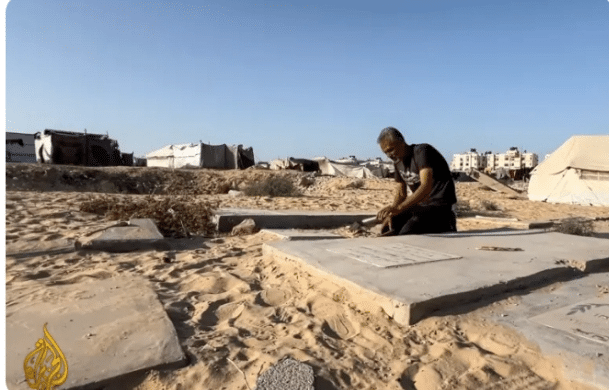
The experience of living in graveyards has become a painful norm for many. Families adapt as best they can, maintaining community networks and sharing essential resources while awaiting opportunities for safer, long-term housing solutions.
About The Author