Global oil markets are entering a volatile phase as supply disruptions linked to geopolitical tensions in the Middle East continue to reshape energy flows and pricing dynamics. In response, emergency interventions are being deployed to stabilise supply, particularly for regions most exposed to the crisis.
The International Energy Agency has announced plans to redirect crude oil supplies to Asia, where demand pressures have intensified following disruptions to traditional supply routes.
IEA plans crude supply to energy-starved Asia
The latest move confirms that IEA plans crude supply to energy-starved Asia as part of a coordinated effort to cushion the impact of one of the largest oil supply disruptions in recent history.
According to the agency, oil from a record 400-million-barrel strategic reserve release will be prioritised for Asian markets, where countries are scrambling to replace lost supplies caused by ongoing conflict in the Middle East.
The urgency of the intervention reflects Asia’s heavy dependence on crude imports from the region, particularly through critical shipping routes such as the Strait of Hormuz.
Energy analysts say the decision that IEA plans crude supply to energy-starved Asia highlights the region’s vulnerability to geopolitical shocks and underscores the importance of strategic reserves in managing global supply crises.
Disruptions reshape global oil flows
The supply crisis stems largely from disruptions in the Middle East, where conflict has significantly reduced oil flows through key transit routes.
The closure of the Strait of Hormuz—a vital corridor for global oil shipments—has effectively blocked millions of barrels per day from reaching international markets.
This has triggered a sharp imbalance between supply and demand, pushing crude prices above $100 per barrel and increasing volatility across energy markets.
The situation has also forced buyers, especially in Asia, to seek alternative sources of supply, further tightening global inventories.
As a result, the move that IEA plans crude supply to energy-starved Asia is seen as a critical step in stabilising markets, even if only in the short term.
Phased supply rollout across regions
While Asia will receive immediate access to the released crude, other regions such as Europe and the Americas are expected to experience delays.
According to the agency, supplies to these markets will only begin to flow toward the end of March, raising concerns about potential shortages in the interim.
Market participants are closely monitoring the pace of the release, as the timing and volume of supply injections will determine how effectively the intervention can moderate prices.
The lack of detailed timelines for non-Asian markets has added to uncertainty, with traders bracing for continued volatility.
Nonetheless, the strategy reinforces how IEA plans crude supply to energy-starved Asia as a priority response to the most immediate demand pressures.
Rising fuel prices signal market stress
The impact of supply disruptions is already evident in refined product markets, particularly in Europe.
Jet fuel prices have surged above $220 per barrel, while diesel futures have climbed beyond $150, reflecting tightening supply conditions.
These increases are expected to feed into broader inflationary pressures, affecting transportation costs, manufacturing, and consumer prices globally.
Experts warn that prolonged disruptions could lead to sustained high energy costs, with ripple effects across multiple sectors of the global economy.
This underscores the urgency behind the intervention as IEA plans crude supply to energy-starved Asia to mitigate the worst effects of the crisis.
Strategic reserves as a stabilisation tool
The release of 400 million barrels from strategic reserves represents one of the largest coordinated interventions in oil market history.
Globally, about 72 per cent of the committed volumes consist of crude oil, while the remainder includes refined products.
According to the Executive Director of the IEA, Fatih Birol, the release is intended to inject “unprecedented additional volumes” into the market from mid-March.
However, he emphasised that restoring normal supply flows will ultimately depend on reopening key transit routes, particularly the Strait of Hormuz.
While strategic reserves can provide temporary relief, they are not a long-term substitute for stable production and distribution systems.
Still, the scale of the intervention highlights the seriousness of the crisis and the rationale behind the move that IEA plans crude supply to energy-starved Asia.
Implications for global energy markets
The current situation is likely to have far-reaching implications for global energy markets, including shifts in trade patterns and increased competition for available supplies.
Asian economies, which rely heavily on imported energy, may face higher costs and potential supply constraints despite the intervention.
Meanwhile, Europe and the Americas could experience delayed relief, increasing the risk of price spikes in those regions.
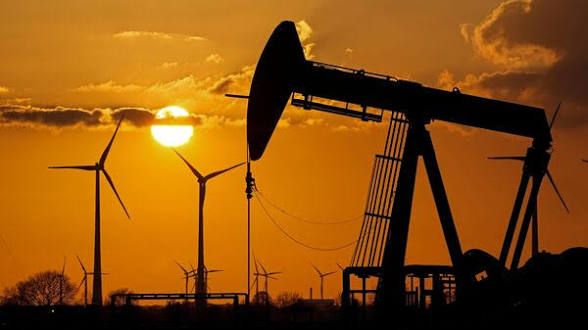
The crisis also underscores the need for diversification of energy sources and greater investment in alternative energy systems to reduce dependence on volatile supply routes.
Analysts suggest that the episode could accelerate the transition toward renewable energy, even as fossil fuels remain critical in the near term.
Outlook amid ongoing uncertainty
Looking ahead, the effectiveness of the intervention will depend on several factors, including the duration of the conflict, the pace of reserve releases, and the ability to restore normal shipping operations.
If disruptions persist, additional measures may be required to stabilise markets and prevent further price escalation.
For now, the global energy system remains in a fragile state, with supply chains under pressure and demand continuing to rise.
The decision that IEA plans crude supply to energy-starved Asia represents a crucial, albeit temporary, response to an evolving crisis that continues to reshape the global oil landscape.
About The Author