

Global arms revenues surge forms the core concern of a new SIPRI assessment detailing record defence profits amid widening conflicts and intensifying geopolitical rivalries across multiple regions.
Analysts say global arms revenues surge reflects deepening instability, as demand for advanced military systems accelerates in response to grinding wars in Gaza, Ukraine and numerous simmering flashpoints worldwide.
SIPRI’s latest figures show global arms revenues surge reaching new highs, driven mainly by defence giants in the United States and Europe capitalising on heightened wartime procurement and expanded export contracts.
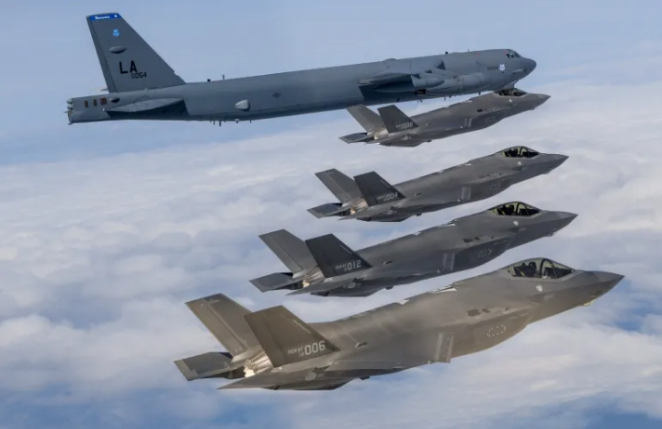
Lockheed Martin, General Dynamics and Northrop Grumman continued dominating the US market, illustrating how global arms revenues surge coincides with surging production, expanded orders and persistent budget overruns.
Despite immense profits, the report warns that global arms revenues surge masks chronic industrial challenges, including delays, labour shortages and severe pressure on supply chains supporting complex weapons platforms.
European manufacturers helped drive global arms revenues surge upward, benefiting from increased defence budgets responding to Russia’s war in Ukraine and growing fears of further destabilisation across Eastern Europe.
Rising spending in Germany, France and Italy created demand spikes that pushed production lines harder, contributing significantly to global arms revenues surge across European industry leaders.
Czech arms producer Czechoslovak Group recorded extraordinary gains, indicating how global arms revenues surge is also fuelled by mid-sized suppliers fulfilling urgent requirements, particularly Ukraine’s overwhelming need for artillery.
Ukraine’s defence sector expanded rapidly, reinforcing how global arms revenues surge ties directly to frontline pressures as Kyiv struggles to maintain critical supplies under Russian military assaults.
Still, SIPRI cautioned that global arms revenues surge could face obstacles if shortages of essential minerals and components intensify, particularly given China’s tightening restrictions on sensitive export materials.
China’s arms revenues declined significantly, contrasting the broader pattern of global arms revenues surge, with NORINCO suffering steep drops following corruption allegations that disrupted major procurement cycles across the country.
The freeze in Chinese defence contracting raises questions about its modernisation timetable, even as global arms revenues surge elsewhere underscores widening gaps in military industrial readiness.
Japan and South Korea bucked the regional downturn, contributing to global arms revenues surge as their defence sectors benefited from strong domestic demand and growing European interest in Asian weapons.
South Korean producer Hanwha continued expanding aggressively, showing how global arms revenues surge includes new suppliers emerging as important actors amid global rearmament driven by accelerating threat perceptions.
Japanese defence firms reported substantial sales increases, strengthening global arms revenues surge dynamics and underscoring Asia’s shifting military balance as tensions rise around Taiwan and the Korean Peninsula.
Russia maintained notable gains despite sanctions, contributing to global arms revenues surge through Rostec and United Shipbuilding Corporation, which both expanded revenues despite severe external pressure and limited access to Western technology.
SIPRI notes that global arms revenues surge in Russia is dangerous, signalling the country’s resilience and capacity to sustain production despite punitive economic restrictions and prolonged battlefield attrition.
The Middle East experienced its highest-ever participation, with nine companies contributing to global arms revenues surge through advanced platforms, skyrocketing drone exports and unprecedented wartime demand.
Saudi Arabia, Turkey and Israel played central roles in expanding global arms revenues surge, marking a new era of regional industrial capability shaped heavily by ongoing conflict environments.
Israeli companies achieved their strongest results to date, with Elbit Systems, Israel Aerospace Industries and Rafael boosting global arms revenues surge as the Gaza assault intensified dramatically.
Critics argue global arms revenues surge in Israel is directly linked to the devastating campaign in Gaza, where airstrikes and relentless bombardment have destroyed civilian infrastructure and killed tens of thousands.
International interest in Israeli counter-drone technologies and air defence systems also pushed global arms revenues surge higher, particularly after Iran’s large-scale attacks using drones and ballistic missiles.
Turkey maintained solid momentum as Baykar expanded exports, ensuring global arms revenues surge includes Turkish drone dominance following years of strategic investments transforming Ankara into a powerful arms exporter.
SIPRI emphasised that global arms revenues surge raises moral concerns, particularly when increased sales stem from deadly conflicts producing mass casualties and severe humanitarian catastrophes across the Middle East.
Defence analysts warn global arms revenues surge risks creating perverse incentives, reinforcing military escalation rather than diplomacy, while financially rewarding states engaged in devastating regional offensives.
Humanitarian organisations argue global arms revenues surge illustrates how weaponised economics overshadow accountability, especially in conflicts where civilian harm remains extreme and oversight mechanisms are nearly nonexistent.
Meanwhile, Ukraine’s war continues fuelling global arms revenues surge, with European nations racing to expand ammunition lines, missile production and critical repair facilities supporting Kyiv’s stretched capabilities.
However, shortages of skilled labour remain a major barrier, threatening to slow global arms revenues surge as defence companies struggle to recruit workers for rapidly expanding manufacturing sites.
SIPRI underlined that global arms revenues surge is likely to intensify if Russia maintains offensive operations, compelling Europe to continue ramping up defence spending for years.
US manufacturers anticipate sustained demand, projecting global arms revenues surge will continue as Washington replenishes depleted stockpiles and expands long-term contracts for submarines, aircraft and missile systems.
Yet congressional disagreements may complicate procurement schedules, potentially disrupting global arms revenues surge by delaying appropriations for major weapons programmes requiring multi-year financial commitments.
Industry insiders say global arms revenues surge reflects structural militarisation, with governments increasingly normalising emergency arms spending as geopolitical rivalry becomes a permanent feature of global politics.
SpaceX’s entry into the top 100 symbolises how global arms revenues surge is reshaping technological boundaries, increasingly merging commercial space capabilities with next-generation military applications.
SIPRI’s data suggests global arms revenues surge has accelerated innovation in hypersonics, missile defence, artificial intelligence and autonomous warfare, reflecting escalating competition between major global powers.
Yet many experts fear global arms revenues surge will deepen global insecurity, fuelling an arms race capable of destabilising fragile regions already overwhelmed by crises.
The United Nations recently warned that global arms revenues surge undermines peace efforts, encouraging militarised solutions instead of diplomatic negotiations essential for long-term conflict resolution.
Even NATO officials express unease, noting global arms revenues surge could outpace coordination mechanisms, creating fragmented procurement and duplication rather than coherent strategic planning among allied states.
Nonetheless, defence ministries argue global arms revenues surge remains necessary given unprecedented threats, from cyberattacks and missile proliferation to destabilising hybrid warfare increasingly targeting strategic infrastructure.
Economic analysts note global arms revenues surge has boosted manufacturing employment but warn defence dependency could overshadow investment in healthcare, education and critical civilian industries.
Scholars also highlight how global arms revenues surge shifts political influence toward defence contractors, potentially enabling them to shape national security policies more directly.
Anti-war groups condemn global arms revenues surge as incompatible with international humanitarian law, insisting profits derived from destruction erode global norms meant to protect civilians.
SIPRI stresses transparency is essential, arguing global arms revenues surge must not obscure accountability regarding arms transfers to governments implicated in severe human rights abuses.
The institute also warns that unchecked global arms revenues surge may escalate tensions across contested maritime zones, particularly in the South China Sea where militarisation is accelerating rapidly.
African nations, though not major producers, are indirectly affected as global arms revenues surge increases the flow of weapons into fragile states already struggling with insurgencies and governance challenges.
Latin American observers fear global arms revenues surge could embolden authoritarian tendencies, especially where governments receive advanced surveillance tools enhancing their domestic coercive capabilities.
Global development organisations argue global arms revenues surge diverts essential resources from climate resilience, worsening vulnerabilities as climate-driven disasters increase in frequency and intensity.
SIPRI’s overall assessment concludes arms revenues surge reflects systematic military expansion rather than temporary wartime anomalies, likely persisting throughout the decade.
Diplomatic experts call for urgent reforms, asserting global arms revenues surge must be matched with stronger arms control regimes capable of preventing destabilising transfers.
Still, geopolitical realities show little momentum for restraint, suggesting the surge will continue shaping international affairs as states prioritise military advantage.
Technological races also deepen global arms revenues surge as quantum computing, cyber technologies and automated decision-making systems become embedded within defence architectures.
Public opinion remains divided, with some populations supporting rearmament while others fear global arms revenues surge represents dangerous normalisation of permanent global conflict.
Energy insecurity further contributes to global arms revenues surge, as nations militarise supply routes and protect offshore assets vulnerable to sabotage or geopolitical disruption.
SIPRI predicts future reports will show global arms revenues surge continuing unless major diplomatic breakthroughs defuse long-running conflicts driving unprecedented demand.
Human rights advocates insist the world must confront the consequences of global arms revenues surge, arguing unchecked militarisation will produce irreversible humanitarian devastation.
Governments maintain global arms revenues surge is unavoidable in an unpredictable world, though critics counter that peacebuilding requires shifting priorities away from weapons production.

Ultimately, SIPRI’s findings reveal global arms revenues surge has become an entrenched global reality shaped by conflict, profit incentives and fragile diplomatic environments.
The report concludes that without significant international cooperation, global arms revenues will remain a defining feature of global security, overshadowing efforts to pursue lasting peace.
About The Author


