

Fuel import duty suspension takes centre stage in Nigeria’s downstream policy
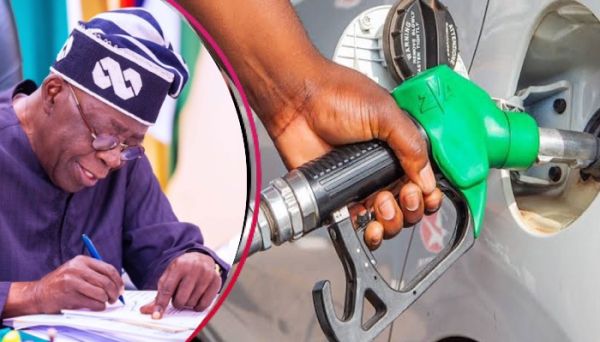
The Federal Government has formally deferred the implementation of the 15 per cent import duty on petrol and diesel until the first quarter of 2026, marking a significant policy adjustment in Nigeria’s ongoing downstream oil sector reforms.
The deferment, approved by President Bola Tinubu, aims to ensure a smooth rollout of the levy while giving local refineries additional time to align operations with the intended objectives of promoting domestic production.
The announcement comes following a detailed request submitted by the Executive Chairman of the Federal Inland Revenue Service (FIRS), Dr Zacch Adedeji, who engaged in extensive consultations with key stakeholders to assess readiness in the domestic fuel market.
The decision underscores the government’s commitment to balancing fiscal reforms with consumer welfare and market stability.
Dr Adedeji, in a letter dated November 7, 2025, titled “Deferment of the Commencement of the Implementation of the Premium Motor Spirit (petrol) and Diesel Import Duty,” highlighted the need for operational alignment and the readiness of local refining infrastructure before enforcing the 15 per cent levy.
“The deferment ensures that technical, operational, and market frameworks are adequately aligned, minimising potential disruptions to fuel supply,” the memo read.
The duty, initially approved on October 21, 2025, was intended to boost domestic refining capacity, stabilise downstream fuel prices, and ensure fair competition between imported and locally refined products.
However, industry stakeholders had raised concerns that immediate implementation could lead to inflationary pressure, increased import costs, and supply disruptions.
Understanding the Fuel import duty suspension
The Nigerian Midstream and Downstream Petroleum Regulatory Authority (NMDPRA), responsible for enforcing the import duty, confirmed that the levy’s implementation is now deferred, noting that the policy will be reviewed again in early 2026.
Director of Public Affairs, George Ene-Ita, stated, “The 15 per cent import duty is no longer in effect at this time. The deferment has the President’s approval and allows for further review in the first quarter of 2026.”
The deferment provides a critical window for the government to evaluate local refineries’ production capabilities and monitor fuel market dynamics.
It also ensures that the eventual rollout of the levy is economically sustainable and socially responsible, reflecting the administration’s commitment to consumer protection while fostering local refining growth.
According to the FIRS proposal, the adjustment aligns import costs with domestic realities, promoting long-term competitiveness and reducing reliance on fuel imports.
The measure also supports emerging refineries, such as the Dangote Refinery, as they ramp up production to meet national demand.
Industry reactions to the Fuel import duty suspension
Industry players have largely welcomed the suspension, describing it as a prudent decision that mitigates potential negative impacts on consumers and the market.
Billy Gillis-Harry, President of the Petroleum Products Retail Outlets Owners Association of Nigeria (PETROAN), praised the government’s responsiveness.
“The deferment demonstrates a listening and analytical administration that prioritises the welfare of Nigerians while implementing strategic reforms,” he said.
Similarly, Chinedu Ukadike, National Publicity Secretary of the Independent Petroleum Marketers Association of Nigeria (IPMAN), commended the suspension for preserving market stability.
“The decision shields consumers from inflationary shocks and ensures a level playing field between imported and locally refined fuels,” he noted.
Energy analyst Olatide Jeremiah echoed the sentiment, stressing that the 15 per cent tariff, if implemented prematurely, could have discouraged fuel imports at a time when Nigeria’s refining capacity is still stabilising.
He added, “Balanced energy policy requires careful coordination between importation and local production. This deferment allows local refineries to strengthen output and gradually reduce reliance on imports without sudden market shocks.”
Government’s strategic outlook
The Fuel import duty suspension is part of broader fiscal and energy reforms under President Tinubu’s Renewed Hope Agenda.
By postponing the levy, the government seeks to ensure that all interventions in the downstream sector are reflective of both economic and social considerations.
The deferment also allows federal agencies to closely monitor domestic refining performance, consumer pricing trends, and market supply stability before introducing the tariff. NMDPRA has reassured the public of adequate fuel supplies, urging Nigerians against hoarding or panic buying.
“The supply of petrol, diesel, and cooking gas remains robust and within acceptable sufficiency levels across the country,” the agency stated.
Industry stakeholders anticipate that the deferment will facilitate a smoother transition period as local refineries ramp up production capacity.
Analysts believe that this approach will not only safeguard consumers but also strengthen Nigeria’s long-term energy security by gradually increasing the share of domestically refined fuel in the market.
The Fuel import duty suspension highlights the government’s proactive approach to managing Nigeria’s energy sector while balancing the interests of consumers, local refiners, and industry stakeholders.
By delaying the 15 per cent levy until the first quarter of 2026, the administration provides a strategic opportunity to ensure that the policy, when implemented, achieves its intended objectives of stabilising fuel prices, promoting local production, and supporting economic sustainability.
As local refineries like Dangote Petroleum Refinery continue to scale operations, the deferment paves the way for a more resilient and self-sufficient downstream petroleum sector in Nigeria, ensuring that fiscal reforms complement, rather than disrupt, the national fuel supply chain.
About The Author


