

Brazilian president Luiz Inácio Lula da Silva says he has “forbidden Trump adviser from visiting Brazil” after revoking the visa of Darren Beattie, escalating diplomatic tensions with the United States.
Brazil’s leader announced the decision after Beattie, an ally of Donald Trump, reportedly planned a trip to the South American country to visit former president Jair Bolsonaro, who is currently serving a prison sentence.
Lula said he had “forbidden Trump adviser from visiting Brazil” in retaliation for the United States denying a visa to Brazil’s health minister Alexandre Padilha amid rising political tensions between the two governments.
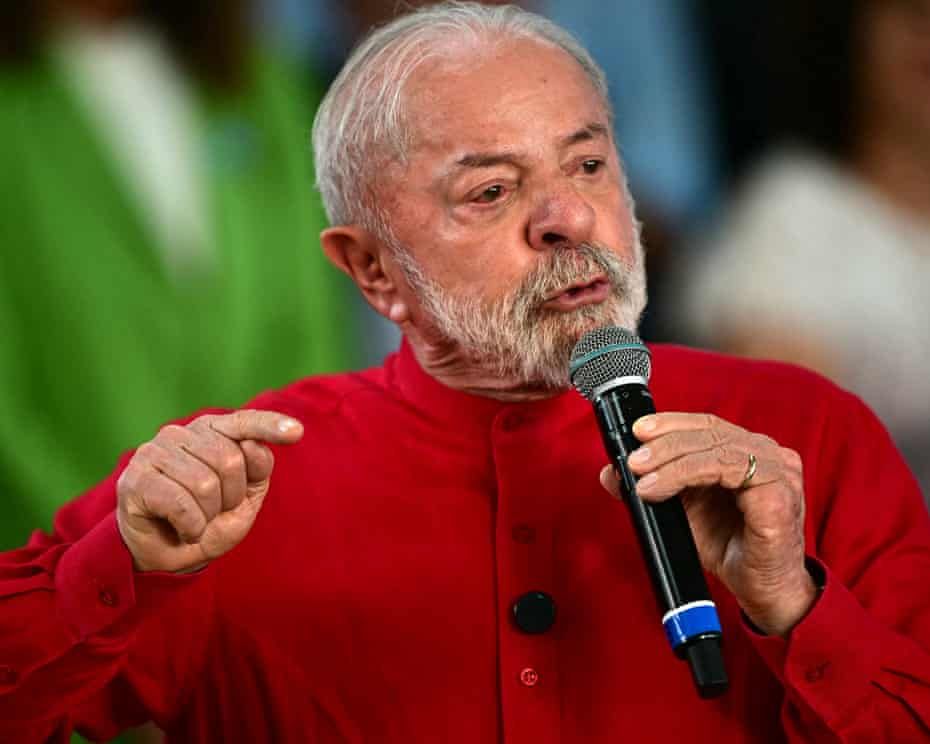
Speaking during an event in Rio de Janeiro, Lula confirmed that Brazil’s authorities had revoked Beattie’s visa and would not permit him to enter the country unless the United States reconsidered its decision regarding Padilha.
The Brazilian president told the audience that the government would defend its officials and respond firmly to what it views as unfair treatment of its representatives abroad.
The diplomatic clash reflects continuing friction between Brazil and Washington, even though relations between Lula and Trump improved somewhat during meetings late last year.
Brazilian authorities said Beattie had hoped to visit Bolsonaro, who was convicted of plotting to overturn the results of the 2022 presidential election after losing to Lula.
Bolsonaro’s conviction followed an extensive investigation by Brazil’s judiciary into alleged efforts to prevent Lula from taking power after the election.
A judge at the Supreme Federal Court of Brazil reportedly denied Beattie permission to visit Bolsonaro in prison before the Brazilian government ultimately revoked the adviser’s visa entirely.
Officials said the decision to bar the visit was based partly on concerns about the purpose of Beattie’s trip and its possible political implications.
Lula reiterated that he had “forbidden Trump adviser from visiting Brazil” because his government must act when Brazilian officials face restrictions abroad.
The dispute traces back to Washington’s refusal to grant a visa to Padilha, a key figure in Lula’s administration who has been involved in international health diplomacy.
At the time, Padilha criticised the decision, calling it a diplomatic abuse and questioning why his travel documents had been blocked by US authorities.
The dispute also involved the revocation of visas belonging to members of Padilha’s family, including his wife and young daughter.
The visa decisions were widely criticised within Brazil’s government and were seen by some officials as part of broader political pressure from Washington.
Relations between Lula and Trump had already been strained by disagreements over Bolsonaro’s legal situation and the independence of Brazil’s courts.
Trump had previously criticised Brazil’s judiciary during Bolsonaro’s trial, raising concerns among Brazilian officials about foreign interference.
Despite those tensions, both leaders attempted to reset relations when they met at the United Nations General Assembly in 2025.
Following that meeting, Trump publicly praised what he described as positive chemistry between the two leaders.
Diplomats hoped the improved tone might reduce tensions between the two countries after months of disputes over tariffs, sanctions and political rhetoric.
However, the latest visa dispute has highlighted how fragile the diplomatic relationship remains.
Brazilian officials say Lula is still planning to travel to Washington, D.C. in the coming weeks for talks with Trump.
The trip was reportedly delayed due to broader geopolitical developments, including international tensions involving the Middle East.
Despite the delay, diplomatic sources say both governments remain interested in maintaining dialogue.
Brazilian diplomats said the decision to revoke Beattie’s visa was also influenced by claims that he had misrepresented the purpose of his planned trip.
Authorities reportedly concluded that the adviser’s visit might involve political activity connected to Bolsonaro’s situation.
Beattie previously served as a speechwriter in Trump’s White House during his first administration.
He later left the administration after controversy surrounding his attendance at an event linked to white nationalist figures.
Despite that episode, he remained an influential voice in Trump-aligned political circles.
In the years since, Beattie has frequently criticised Lula and Brazil’s left-leaning political leadership.
During Brazil’s 2022 election campaign, he described the vote as a major ideological battle that could influence global politics.
He framed the election as a contest between nationalist political movements and Lula’s political agenda.
Those comments were widely criticised in Brazil as interference in the country’s democratic process.
Meanwhile, reports indicated Bolsonaro was briefly transferred from prison to hospital after developing pneumonia.
Authorities said the former president was receiving treatment before returning to custody once his condition stabilised.
Bolsonaro’s imprisonment continues to dominate Brazilian politics and remains a major point of division within the country.
Supporters argue he was unfairly targeted by political opponents, while critics say the conviction demonstrates the strength of Brazil’s democratic institutions.
The controversy surrounding Beattie’s attempted visit reflects how Bolsonaro’s legal situation continues to shape international political tensions.
Read also: Norwich school stabbing: Boy, 15, charged with attempted murder after Thorpe St Andrew school attack in
Lula’s decision to say he has “forbidden Trump adviser from visiting Brazil” therefore highlights how domestic political disputes in Brazil have spilled into diplomatic relations with the United States.


