


The latest round of indirect ceasefire talks between Israel and Hamas has concluded without a breakthrough, according to a Palestinian official familiar with the negotiations.
The session, which lasted for nearly three and a half hours, took place in two separate buildings in Doha, with Qatari and Egyptian mediators exchanging messages and clarifications between the two sides.
Despite the efforts, no progress was achieved, and talks are expected to resume on Monday, with mediators planning to hold separate meetings with each delegation to overcome the obstacles and narrow the gaps between the two sides.
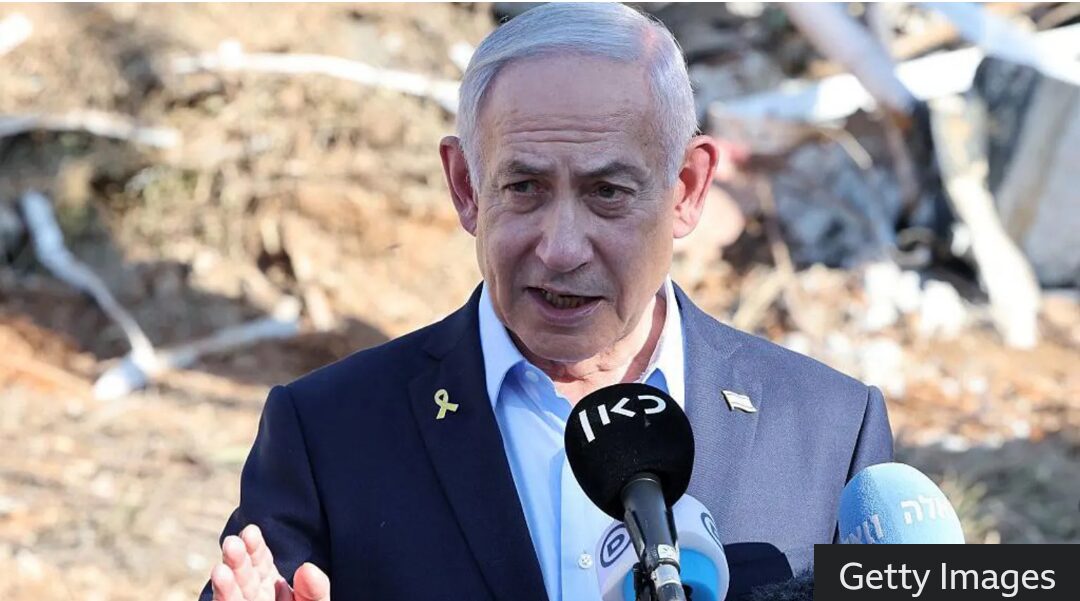
The Israeli delegation was reportedly not “sufficiently authorised” to reach an agreement with Hamas, as it had “no real powers”. This development comes as Israeli Prime Minister Benjamin Netanyahu prepares to meet US President Donald Trump on Monday, where he hopes to make progress on efforts to reach a deal for the release of more hostages and a ceasefire in Gaza. Netanyahu said he had given his negotiators clear instructions to achieve a ceasefire agreement under conditions Israel has accepted.
Hamas has responded to the latest ceasefire proposal in a positive spirit, but significant gaps between the two sides remain. Hamas is holding out for a guarantee of an end to all hostilities at the end of any truce and the withdrawal of Israeli troops, which Netanyahu’s government has previously rejected.
The Israeli position may not have shifted significantly, with Netanyahu committed to three missions: “The release and return of all the hostages, the living and the fallen; the destruction of Hamas’s capabilities – to kick it out of there, and to ensure that Gaza will no longer constitute a threat to Israel.”
The Qatari and Egyptian mediators face significant challenges in trying to overcome these sticking points, which have derailed other initiatives since the previous ceasefire ended in March.
Israel has resumed its offensive against Hamas with great intensity, imposing an eleven-week blockade on aid entering Gaza, which was partially lifted several weeks ago. The Israeli government says these measures have been aimed at further weakening Hamas and forcing it to negotiate and free the hostages.
The cost in civilian lives in Gaza continues to grow, with hospital officials reporting more than 30 people killed on Sunday. The Israeli military says it struck 130 Hamas targets and killed a number of militants in the past 24 hours. The question now is not only whether the talks in Qatar can achieve a compromise acceptable to both sides but also whether Trump can persuade Netanyahu that the war must come to an end at their meeting on Monday.
Many in Israel believe that a ceasefire is a price worth paying to save the remaining hostages. Protests have taken place in Israel, with people calling on Netanyahu to reach a deal so the hostages can finally be freed.

However, there are hardline voices in Netanyahu’s cabinet, including National Security Minister Itamar Ben Gvir and Finance Minister Bezalel Smotrich, who have expressed their fierce opposition to ending the war in Gaza before Hamas has been completely eliminated.
About The Author
