

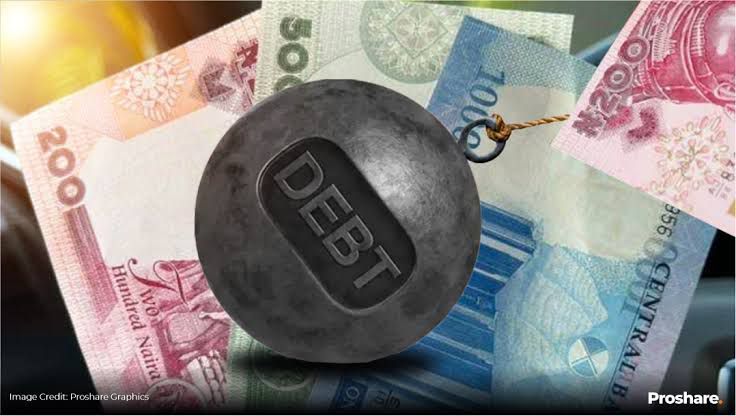
The Federal Government has revealed that its sweeping economic and fiscal reforms have led to a significant reduction in domestic debt across Northern Nigeria, with the region recording a 42.06% drop in debt stock over the past two years.
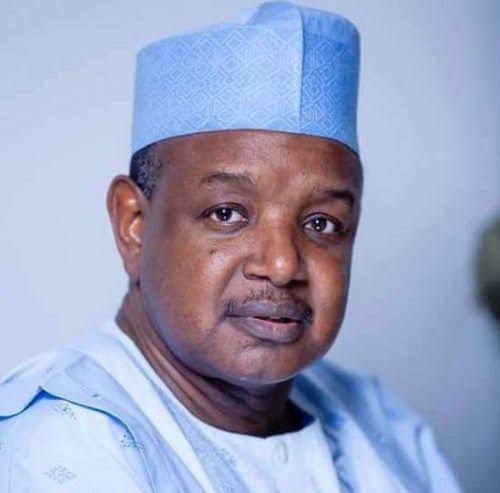
This revelation was made by the Minister of Budget and Economic Planning, Senator Abubakar Atiku Bagudu, during a policy briefing at a two-day interactive session organised by the Sir Ahmadu Bello Memorial Foundation in Kaduna. Themed “Assessing Electoral Promises: Fostering Government-Citizen Engagement for National Unity,” the forum focused on tracking the implementation of President Bola Tinubu’s campaign promises to Northern stakeholders.
According to a statement from the Budget Ministry, total domestic debts owed by the 19 Northern states declined from ₦1.98 trillion to ₦1.14 trillion, indicating a 42.06% reduction. Nationwide, the combined debt of all 36 states and the Federal Capital Territory dropped by 33.4%, from ₦5.8 trillion to ₦3.8 trillion, between May 2023 and June 2025.
Senator Bagudu attributed this turnaround to bold macroeconomic reforms initiated by the Tinubu administration, particularly the removal of petrol subsidy and enhanced transparency in revenue distribution through the Federation Account Allocation Committee (FAAC).
He explained that monthly revenue allocations to states and local governments more than doubled, rising from ₦458.81 billion in May 2023 to ₦991.81 billion by June 2025, representing a 116.17% increase. This figure excludes additional revenues from foreign exchange gains, excess crude account, and electronic money transfer (EMT) levies.
“These reforms have enabled states to invest more in infrastructure, education, healthcare, and security without accumulating unsustainable debts,” Bagudu said. “Increased fiscal space has also supported job creation and improved governance outcomes.”

The Budget Minister highlighted several Northern states as standout beneficiaries of the reform:
Kaduna State saw a revenue increase from ₦11.94bn to ₦42.01bn — a 251.84% jump.
Gombe State jumped from ₦6.69bn to ₦24.91bn — a 272.35% increase.
Across geopolitical zones:
North Central recorded a 145% revenue surge.
North East, 149%.
North West, 143%.
Bagudu emphasized that these gains refute claims of marginalization, noting that 19 Northern governors and several federal appointees had attested to the region’s equitable treatment under the Renewed Hope Agenda.
Bagudu outlined major ongoing federal infrastructure projects under the Tinubu administration:
Sokoto-Badagry Superhighway
Kano-Maiduguri Dualisation
Sokoto-Gusau-Funtua-Zaria Road
Abuja-Keffi-Makurdi Highway
Ilorin-Jebba-Minna Road
Kaduna-Kano Railway Modernization
AKK Gas Pipeline
On the healthcare front, he revealed that over 1,003 primary healthcare centres have been revitalized nationwide, including 10 national medical warehouses located in the North.
Through the Maternal and Adolescent Maternal and Infant Improvement Initiative (MAMII), the North has recorded:
13.1 million antenatal visits
4.2 million safe deliveries
4,000 free Caesarean sections
6 million women benefiting from nutrition support
The minister reiterated the Federal Government’s commitment to inclusive governance, transparency, and equitable allocation of resources.
“While some narratives suggest the North is being sidelined, the facts and data point in the opposite direction. What we are witnessing is the tangible impact of President Tinubu’s reforms on fiscal discipline, regional growth, and national unity,” he stated.
With more states expected to benefit from upcoming policy initiatives, analysts say the reforms could set a new precedent for sustainable subnational governance, particularly if states leverage their new fiscal headroom for impactful projects.
As Nigeria continues its path toward economic restructuring, stakeholders are watching how the administration sustains this momentum while ensuring no region is left behind.