In a decisive move to strengthen safety standards and restore public confidence in the nation’s gas conversion programme, the Federal Government has launched a new initiative aimed at ending the circulation of fake CNG kits in Nigeria.
The initiative, known as the Nigerian Gas Vehicle Monitoring System (NGVMS), was unveiled by the Minister of State for Petroleum Resources (Gas), Ekperikpe Ekpo, on Thursday in Abuja.
The launch marks a major milestone in the government’s plan to promote transparency, accountability, and sustainability across Nigeria’s fast-growing Compressed Natural Gas (CNG) ecosystem.
According to Ekpo, the NGVMS is designed to ensure that only vehicles converted at accredited facilities using certified components can access CNG at approved stations.
The system will provide a digital oversight mechanism covering every stage of the CNG conversion and refuelling process.
“The NGVMS will ensure that only vehicles converted at accredited facilities with certified kits can access CNG at approved stations,” Ekpo stated.
“This system provides end-to-end oversight from conversion to refuelling, guaranteeing the safety of citizens and the integrity of Nigeria’s CNG ecosystem,” he added.
Government Moves to Stop Fake CNG Kits and Unsafe Conversions
The launch comes amid growing concerns about the proliferation of fake CNG kits and poorly regulated conversion centres across the country.
Experts have repeatedly warned that substandard conversion kits not only undermine the safety of vehicle owners but also pose serious explosion risks at refuelling stations.
The government’s decision to introduce a monitoring system reflects its commitment to aligning Nigeria’s CNG policy with global safety and environmental standards.
Officials noted that the initiative forms part of President Bola Ahmed Tinubu’s Renewed Hope Agenda and the broader Decade of Gas Initiative, both of which aim to make gas an affordable, reliable, and cleaner energy alternative for Nigerian households and businesses.
Ekpo explained that the fake CNG kits challenge had become a significant barrier to public trust in gas adoption, emphasizing that the NGVMS would provide traceability for every certified installation nationwide.
Private Sector Investments Fuel CNG Growth
In support of the initiative, the Chairman and Chief Executive Officer of the Presidential Initiative on CNG (PiCNG), Ismaeel Ahmed, revealed that the private sector has already invested over $1 billion into Nigeria’s CNG value chain.
He confirmed that more conversion and refuelling stations would be commissioned across the country before the end of the year, ensuring broader access to affordable CNG.
Ahmed described the new monitoring system as a “transformative leap” that will not only eliminate fake CNG kits but also create a safer and more transparent environment for investors and vehicle owners alike.
“We are working closely with the private sector to ensure that Nigeria’s CNG rollout is backed by strict safety compliance and certified installations. This system ensures that every component and conversion process is verifiable,” he said.
Transport Unions Laud Tinubu’s Gas Initiative
Leaders of several transport unions across Nigeria, who attended the event, commended President Tinubu for the launch of the PiCNG project, which they said had cushioned the impact of fuel subsidy removal in 2023.
They noted that through the programme, members of their unions had received free CNG kits, buses, and tricycles, amounting to over one million units distributed nationwide.
The adoption of CNG, they said, had already led to significant reductions in transportation costs and a ripple effect on food prices.
Union leaders, however, urged the government to prioritize commercial vehicles in the conversion process and ensure that transporters have easy access to certified conversion centres to avoid fake CNG kits.
They also appealed for the expansion of refuelling infrastructure across all 36 states and the Federal Capital Territory.
According to them, a wider network of refuelling stations would encourage more transporters to embrace the CNG transition and ensure the long-term success of the programme.
Strengthening Nigeria’s Energy Transition
The introduction of the NGVMS signals a proactive approach by the Federal Government to standardize the use of natural gas as a viable substitute for petrol and diesel.
Officials say the system will allow regulators to track the origin and quality of each conversion kit, ensuring that fake CNG kits are completely eradicated from the market.
By promoting transparency and quality assurance, the monitoring system is expected to enhance public confidence and stimulate further investment in the CNG sector.
Industry analysts note that Nigeria’s successful transition to gas-powered transportation could reduce national fuel import costs, cut emissions, and align the country with global climate action targets.
The CNG initiative is also projected to generate thousands of technical and service jobs within the automotive and energy sectors.
A Milestone for Safety and Sustainability
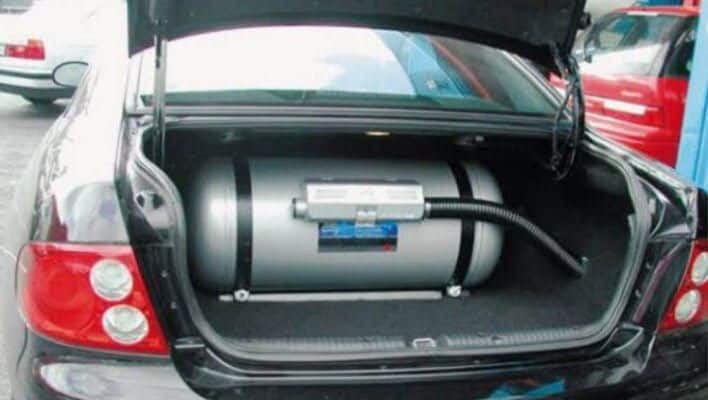
Ekpo reaffirmed the Federal Government’s resolve to maintain strict compliance standards within the CNG industry, stressing that no compromises would be tolerated when it comes to public safety.
“The era of unsafe conversions and fake CNG kits is over. Every vehicle running on CNG must meet approved standards, and the NGVMS will enforce that across the board,” the minister stated.
He called on transporters, conversion centres, and fuel marketers to cooperate with the monitoring process, adding that full enforcement will begin once the pilot phase is completed nationwide.
With this development, Nigeria moves one step closer to achieving a safe, cost-effective, and environmentally sustainable energy future—one that positions CNG as a key driver of economic recovery and national development.
About The Author