

The Olu of Orile Kemta delivers a royal rebuke to Ayodele Fayose over disrespectful comments on Obasanjo, warning of moral consequences and cultural backlash.
The controversy surrounding former President Olusegun Obasanjo and ex-Ekiti State governor Ayodele Fayose escalated sharply this week following a royal rebuke from the Olu of Orile Kemta, Oba (Dr.) Adetokunbo Tejuosho.
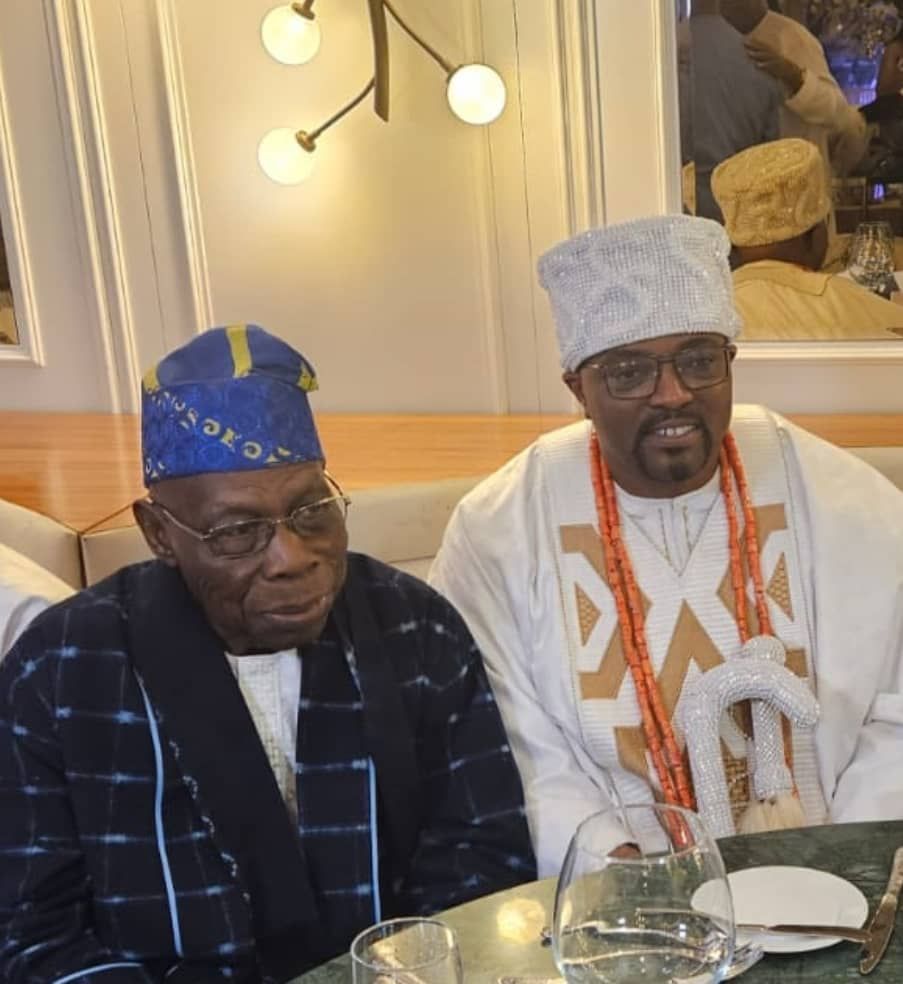
The monarch condemned Fayose’s recent public comments as disrespectful, reckless, and a violation of long-standing Yoruba cultural norms that demand respect for elders and national icons.
This stern intervention has reignited discussions across Nigeria on leadership, cultural values, and the treatment of elder statesmen.
Oba Tejuosho’s statement, titled “A Royal Rebuke to Ayo Fayose,” described the former governor’s “thank you” message to Obasanjo as uncultured and unbecoming of a political leader.
According to the monarch, Fayose’s remarks were not an act of courage but a display of arrogance and moral confusion.
The royal rebuke serves as a clear warning that disrespecting elders, especially those who have played critical roles in shaping Nigeria’s history, carries consequences beyond public criticism.
The chain of events began when Fayose reacted publicly to comments reportedly made by Obasanjo during his 65th birthday celebration in Lagos.
Instead of handling the disagreement privately, as Yoruba cultural etiquette recommends, Fayose released a highly critical message describing Obasanjo as “irresponsible” and, in a controversial statement, claiming that the 89-year-old former president “belongs in the zoo.”
He also demanded the return of funds allegedly sent to support his attendance at the celebration. These remarks were widely criticized and prompted swift responses from political and cultural leaders.
In delivering his royal rebuke, Oba Tejuosho highlighted the historical and cultural stature of Obasanjo.
He reminded the public that the former president is not only a former military leader and two-term civilian head of state but also a respected Yoruba elder whose contributions extend across Africa.
The monarch emphasized that Fayose’s attack revealed “hollowness wrapped in loudness,” demonstrating neither courage nor wisdom.
The monarch used vivid metaphors to underline his point. “You throw stones at a hill built by someone else’s labour,” he said, referring to Fayose’s disrespectful stance.
“You spit into the sky, forgetting that the consequences will return to your own face.”
These words reinforced the moral and cultural weight of the royal rebuke, reflecting the deep-rooted Yoruba belief that elders’ honour must be upheld by younger generations.
Oba Tejuosho further pointed out that Fayose had personally benefited from Obasanjo’s mentorship.
“You were only 43 when Baba gave you support that propelled you into the Ekiti Government House,” he noted, underlining the irony of Fayose’s public contempt.
“The royal rebuke was thus not merely about defending Obasanjo but also about reminding Fayose—and the wider public—of the ethical responsibilities leaders carry toward those who helped shape their paths.
The monarch also questioned the moral legacy Fayose hopes to leave for his children and followers.
By publicly insulting an elder and revered national figure, he argued, Fayose risks setting a poor example for younger generations.
The royal rebuke served as a cautionary reminder that actions fueled by temporary anger or political rivalry can tarnish personal reputation and historical memory.
Oba Tejuosho stressed that Obasanjo’s global reputation and legacy remain intact despite public criticism.
He described the former president as “a chapter in Nigeria’s history whose contributions to governance, peacekeeping, and democratic development cannot be erased by bitterness or impulsive words.”
Through this lens, the royal rebuke emphasized that cultural respect and decorum are as important as political argumentation.
The monarch further highlighted the importance of private resolution of disputes, especially those involving elder statesmen.
Publicly airing disagreements, he noted, undermines both personal credibility and the collective dignity of the community.
For Oba Tejuosho, Fayose’s decision to go public represented a serious lapse in judgment, prompting the formal royal rebuke as both a corrective and educational tool.
Across the Yoruba South-West, reactions to the monarch’s statement have been largely supportive.
Traditional rulers, civil society advocates, and ordinary citizens have praised the royal rebuke for reinforcing cultural values and reminding leaders of the importance of humility and respect.
Many observers highlighted that regardless of political affiliation or personal disagreements, Nigerian elders deserve honour and consideration.
In his closing remarks, Oba Tejuosho warned that karma and posterity are ever-watchful, and that public disrespect can carry consequences far beyond immediate political gains.
The royal rebuke concluded with a clear message: Nigerian leaders must balance ambition and criticism with the cultural duty to uphold the dignity of their elders and national icons.
This incident has reignited a larger conversation about political behaviour in Nigeria.
Questions abound: how should younger politicians express dissent without violating cultural norms? To what extent should historical figures and elder statesmen be protected from public disparagement?
The royal rebuke delivered by Oba Tejuosho provides a powerful answer, rooted in tradition: respect, humility, and prudence are non-negotiable pillars of leadership.
Ultimately, the royal rebuke reinforces that Nigerian culture continues to influence modern political discourse.
Leaders are judged not only by their achievements but also by their conduct and adherence to ethical and cultural standards.
The Olu of Orile Kemta’s intervention serves as both a moral compass and a public reminder that respect for elders is central to Nigeria’s social fabric.
More news at ireport247news
About The Author


