

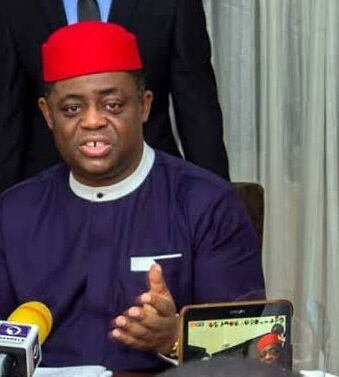
Former Aviation Minister, Femi Fani-Kayode, has strongly refuted claims that his ambassadorial nomination was rejected by the German government, describing the report as false and politically motivated.
The controversy follows reports alleging that authorities in Germany declined his diplomatic posting due to concerns over past public statements and conduct. However, Fani-Kayode insists no such rejection occurred, accusing political opponents of orchestrating a smear campaign.
Fani-Kayode ambassadorial rejection controversy deepens amid conflicting claims
The Fani-Kayode ambassadorial rejection controversy has drawn attention to the sensitive nature of diplomatic nominations and the scrutiny that often accompanies such appointments.
Reports circulating online claimed that the former minister, recently nominated by Bola Ahmed Tinubu as an ambassador-designate, faced rejection from German authorities over alleged “controversial” remarks and behavioural concerns.
According to those reports, the alleged decision was communicated earlier in March, with suggestions that the nomination could be redirected to another country.
However, Fani-Kayode dismissed the claims outright, maintaining that no official communication supports such assertions.
Denial and counter-accusations
Responding via his verified social media platform, the former minister described the reports as “fake news,” alleging that opposition figures were behind the narrative.
The Fani-Kayode ambassadorial rejection controversy has, therefore, taken on a political dimension, with the former minister framing the issue as an attempt to undermine his credibility and derail his appointment.
“These opposition elements are pained by my nomination and are doing everything to discredit me,” he stated, reaffirming his readiness to serve Nigeria in any diplomatic capacity.
Political observers note that such public denials are not uncommon in Nigeria’s highly polarised political environment, where narratives are often contested in both traditional and digital media spaces.
Diplomatic postings under scrutiny
The Fani-Kayode ambassadorial rejection controversy highlights the broader complexities involved in diplomatic appointments, particularly when nominees have a history of outspoken political engagement.
Diplomatic postings typically require approval from host countries, which assess nominees based on professional conduct, diplomatic suitability, and international relations considerations.
Experts say that while rejections are rare, they are not unprecedented, especially in cases where nominees’ public records raise concerns about their ability to represent their country effectively.
However, in the absence of official confirmation from German authorities, the claims remain speculative.
Presidency yet to issue formal clarification
As the Fani-Kayode ambassadorial rejection controversy continues to trend, there has been no formal statement from the presidency clarifying the status of the nomination.
The silence has left room for speculation, with some analysts calling for transparency to address public concerns and maintain confidence in Nigeria’s diplomatic processes.
The presidency’s earlier approval of Fani-Kayode as an ambassador-designate was part of a broader effort to reposition Nigeria’s foreign service and strengthen bilateral relations with key international partners.
Possible redeployment speculation
Amid the ongoing debate, reports have suggested that Fani-Kayode could be reassigned to another diplomatic post, including a potential deployment to South Africa.
While these claims remain unverified, they have added another layer to the Fani-Kayode ambassadorial rejection controversy, fueling discussions about how diplomatic postings are managed.
Analysts argue that redeployments, if they occur, are typically handled quietly within diplomatic channels and are not usually subject to public debate.
Political undertones and media narratives
The Fani-Kayode ambassadorial rejection controversy also underscores the role of media narratives in shaping public perception of political developments.
With multiple platforms reporting conflicting versions of events, the situation reflects the challenges of information verification in the digital age
Political communication experts note that high-profile figures are particularly vulnerable to misinformation, especially when their appointments carry political significance.
They stress the importance of relying on official sources to avoid the spread of unverified claims.
Implications for Nigeria’s diplomatic image
Beyond domestic politics, the Fani-Kayode ambassadorial rejection controversy has implications for Nigeria’s international image.
Diplomatic appointments are often seen as a reflection of a country’s values and priorities, making it crucial for the process to be transparent and credible.
If not properly managed, controversies surrounding nominations could affect perceptions of Nigeria’s diplomatic standards and engagement with foreign governments.
Outlook and next steps
As developments unfold, the resolution of the Fani-Kayode ambassadorial rejection controversy will likely depend on official clarification from both Nigerian authorities and the host country involved.
For now, the issue remains a subject of debate within political and diplomatic circles, highlighting the intersection of politics, media, and international relations.
Regardless of the outcome, the episode underscores the importance of due process, clear communication, and strategic diplomacy in managing Nigeria’s foreign engagements.
Read more news at ireport247news.com
About The Author
