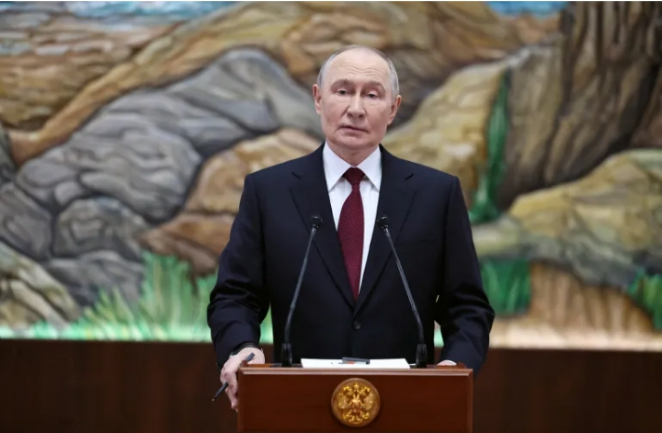
Europe is facing mounting fears it is losing ground in the accelerating Europe great power competition, as U.S., China, and Russia expand influence relentlessly. Leaders admit concern.
“We are underarmed and politically divided,” a senior Brussels official said, warning that Europe risks being marginalized in the global struggle for strategic dominance.
NATO allies caution that underarmed Europe cannot project power effectively, leaving the continent vulnerable to coercion from emerging superpowers, with economic and technological leverage increasingly decisive.
Geopolitical observers highlight geopolitical fragmentation, noting that internal disputes among EU states weaken coordination on defense spending, intelligence sharing, and joint military initiatives across Europe.
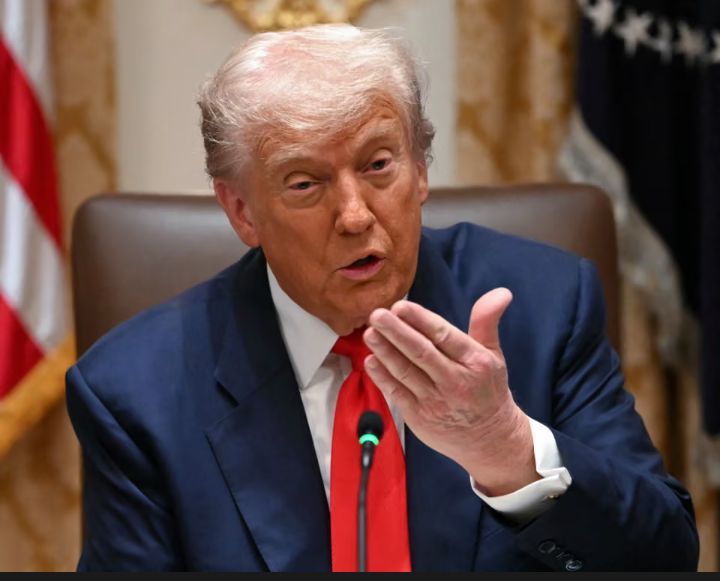
Military analysts stress that without serious military modernization, Europe will lag behind U.S. technological advancements, AI integration, and China’s expanding defense capabilities, risking strategic irrelevance.
The new era of transactional politics intensifies Europe’s challenges, as global powers prioritize deals over alliances, exploiting divisions within the EU and across neighboring regions.
European Commission President Ursula von der Leyen emphasized, “We must act decisively to strengthen our strategic autonomy; hesitating now will cost Europe its influence for decades.”
Security experts argue that Europe’s overreliance on the U.S. diminishes credibility, leaving smaller member states exposed to coercion and undermining collective defense agreements across NATO territories.
Economic levers also play a crucial role, as U.S.-China trade rivalry shows, forcing Europe to navigate complex supply chains while maintaining technological competitiveness in semiconductors and AI.
The European Council warns that Europe great power competition is no longer abstract; it directly threatens energy security, cyber defenses, and military readiness in eastern and southern borders.
Brussels insiders admit political gridlock complicates rapid responses, making initiatives like joint defense funds and pan-European cyber command challenging to implement quickly and effectively.
Military officials stress the urgency: “If Europe delays modernization, adversaries will exploit gaps, and NATO’s deterrence credibility will weaken, emboldening hostile actors in Ukraine, the Baltics, and the Arctic.”
Public debate reflects concern, with citizens questioning EU leadership and defense policies, fearing that underarmed Europe risks losing influence in global decision-making for decades.
Meanwhile, European nations attempt patchwork solutions, increasing individual military budgets but facing delays due to procurement inefficiencies, technological bottlenecks, and bureaucratic hurdles across multiple capitals.
Experts caution that without bold, unified action, geopolitical fragmentation will intensify, making Europe a passive observer while superpowers dictate terms in energy, trade, and military disputes worldwide.
The EU is exploring partnerships beyond NATO, including strategic pacts with regional actors, but analysts warn that these are insufficient to counter sophisticated U.S., Chinese, and Russian maneuvers.
Analysts underline the threat of transactional politics eroding trust: countries prioritize short-term gains over shared security, weakening long-term strategic alliances crucial for collective defense.
The military-industrial community calls for urgent investment in next-generation capabilities, including AI-enabled defense systems, hypersonic weapons, and rapid deployment forces, to compete effectively in the Europe great power competition.
European leaders insist on dialogue with allies but stress that diplomatic efforts alone cannot replace credible deterrence, a sentiment echoed across defense committees in Paris, Berlin, and Rome.
A senior NATO strategist said, “Europe risks becoming irrelevant unless it harmonizes defense priorities, invests decisively, and overcomes internal divisions. Competitors will not wait while we debate endlessly.”
The consensus is clear: Europe must act decisively to protect sovereignty, technological competitiveness, and military capability or risk losing influence in shaping global rules.
Failure to adapt could leave underarmed Europe exposed to coercive economic policies, cyberattacks, and regional conflicts, eroding decades of post-Cold War security achievements.
Experts stress that military modernization is not optional; Europe’s strategic future depends on coordinated procurement, shared intelligence, and rapid deployment readiness across NATO and EU frameworks.
Observers conclude that rising geopolitical fragmentation makes decisive action urgent, as rival powers exploit divisions, leveraging energy, trade, and digital infrastructure to assert dominance over a divided continent.
Europe’s trajectory in the Europe great power competition will determine whether it remains a global influencer or becomes a secondary player, subject to decisions made in Washington, Beijing, and Moscow.
“Time is not on our side,” a senior EU defense advisor said. “Europe must modernize, unify, and act strategically—or risk losing a generation of geopolitical influence.”
Some EU officials point to recent defense funding commitments as positive signals but warn that bureaucratic delays and political infighting could undermine meaningful progress for years.
Energy dependency is also a critical vulnerability, with Europe importing a large share of natural gas and rare minerals, leaving the continent exposed to coercive pressure from adversaries in crises.
Cybersecurity remains another area where Europe struggles to keep pace, as state-sponsored attacks from China and Russia test the continent’s fragmented digital defenses and slow-response mechanisms.
“The cyber domain is now a battlefield where Europe cannot afford to lag,” a top Brussels intelligence official warned, adding that military modernization must include digital resilience.
Analysts note that internal disagreements over defense priorities exacerbate weaknesses, while adversaries exploit geopolitical fragmentation to forge deals directly with individual European nations.
Some policymakers argue for joint EU procurement of advanced weaponry, but rival national interests and budget constraints continue to slow progress, leaving underarmed Europe at a disadvantage.
The diplomatic arena is equally challenging, as superpowers practice transactional politics, extracting concessions from Europe while offering limited security guarantees or trade benefits in return.
Observers stress that Europe must avoid piecemeal solutions and instead focus on coordinated defense, industrial base strengthening, and rapid technological adoption to survive the Europe great power competition.
Senior defense officials warn that failure to act decisively risks long-term marginalization, as rival powers consolidate influence over global institutions, trade routes, and regional security frameworks.
Some EU members have started small-scale joint exercises, yet analysts caution that these efforts are insufficient without full-scale military integration and a unified strategic vision for the continent.
Public sentiment is increasingly anxious, with citizens demanding that leaders address the stark reality: Europe cannot rely solely on alliances while it remains underarmed Europe, divided, and slow to modernize.
Without urgent action, Brussels insiders admit Europe could become a secondary actor in global affairs, forced to follow decisions dictated by stronger powers rather than shaping its own destiny.
Experts reiterate that military modernization and political unity are intertwined; one cannot succeed without the other, and delays only embolden adversaries exploiting Europe’s divisions.
The ongoing geopolitical fragmentation threatens to undermine decades of post-Cold War stability, leaving Europe vulnerable to coercion in energy, trade, cyber, and regional security challenges.
“The stakes could not be higher,” a European defense analyst said. “Europe must consolidate, modernize, and act strategically, or it will lose influence for generations to come.”

Every European nation now faces a stark choice: invest decisively in defense and strategic capabilities or risk irrelevance in the high-stakes Europe great power competition unfolding worldwide.
About The Author