England outclasses All Blacks 33-19 in a remarkable match at Allianz Stadium, Twickenham, overturning a 12-0 deficit with tactical poise and clinical execution in the second half.
Trailing 12-0 in under 20 minutes, England showed resilience, fighting back against a historically dominant All Blacks side. The comeback demonstrated growing maturity and team cohesion.
Steve Borthwick’s coaching gamble, stacking the bench with six British and Irish Lions, provided England with depth and experience, enabling a powerful finish to the game.
The first half saw England rely on starters to contain New Zealand’s early dominance, keeping the deficit manageable and setting up the bench for a decisive impact later.
Historically, England had only won two of 21 matches against the All Blacks. This victory marks a turning point and underscores progress under Borthwick’s leadership.
Borthwick’s strategy of “finishers” on the bench allowed the team to close matches decisively, reflecting a modern approach to Test rugby and tactical adaptability.
The previous four encounters were tightly contested, including one draw and three narrow All Blacks wins. England’s triumph ended a streak of near misses in dramatic finishes.
From 12-0 down, England mounted a 25-point surge, with Ollie Lawrence orchestrating key plays. The centre’s creativity and athleticism energized the team’s attacking efforts.
A Will Jordan try late in the match briefly threatened England’s lead, but composure and smart decision-making allowed the hosts to secure a 14-point margin.
England’s back-line, supported by the bench, displayed fluidity and skill, turning possession into points with offloads and tactical runs that disrupted New Zealand’s defensive patterns.
Freddie Steward’s aerial work was pivotal early on, countering the All Blacks’ kicking dominance and ensuring England remained competitive despite early setbacks.

George Ford’s drop goals helped narrow the gap before halftime, reinforcing England’s ability to capitalize on scoring opportunities under pressure.
In the second half, the game shifted decisively. Codie Taylor’s sin-bin gave England space to attack, allowing Sam Underhill and others to extend the lead efficiently.
Lawrence’s offload to Fraser Dingwall created a try, exemplifying England’s sharp decision-making and cohesion. The bench replacements contributed significantly to the surge.
Ellis Genge, Will Stuart, Tom Curry, and Henry Pollock entered at 56 minutes, bolstering the forward pack and energizing England’s gameplay in both set-pieces and open-field play.
The Allianz Stadium crowd added to the atmosphere, singing Swing Low, Sweet Chariot and reacting to the team’s tactical shifts with enthusiasm, boosting the players’ momentum.
England’s defensive structure was tested early but adapted effectively. Quick adjustments and support lines stifled New Zealand’s attacks, demonstrating intelligence and teamwork.
The All Blacks had initially dominated through long-range kicking, creating territorial pressure. England’s counter-strategy of dynamic ball movement and aggressive counters neutralized these threats.
Immanuel Feyi-Waboso’s breakthrough into the 22 exemplified England’s attacking creativity. This early second-half play laid the foundation for subsequent tries and established momentum.
Borthwick’s team balanced risk and control, trusting starters to maintain stability while the bench injected energy, exemplifying modern Test match management principles.
Marcus Smith replaced an injured Freddie Steward, validating Borthwick’s depth selection strategy. Smith’s versatility provided tactical options that maintained attacking intensity.
England’s scoring distribution highlighted team cohesion, with forwards and backs contributing across multiple phases, preventing New Zealand from focusing on a single threat.
Key penalties and strategic kicking maintained pressure, allowing England to control territory and tempo, forcing the All Blacks into reactive play and errors.
The final try by Tom Roebuck at the death sealed the 33-19 result, illustrating England’s sustained focus and ability to finish matches strongly under pressure.
Fans and pundits alike noted the performance as a potential turning point for England, signaling confidence ahead of the Six Nations and the 2027 World Cup cycle.
England now carry a ten-game winning streak, bolstered by a blend of experienced internationals and emerging talent. Momentum heading into the Six Nations is firmly in their favour.
The tactical approach, combining risk management and high-intensity finishing, positions Borthwick’s England as a formidable opponent for the southern hemisphere giants in future clashes.

Whether this marks a new era for England remains to be seen, but the statement victory against New Zealand provides optimism and belief among players, staff, and supporters.
Ollie Lawrence’s performance, underpinned by skill and vision, confirmed his status as a central figure in England’s evolving attacking framework. His contributions were decisive throughout.
Henry Pollock and other young players benefited from exposure to high-pressure scenarios, gaining invaluable experience and building confidence against elite opposition.
Borthwick’s decisions on the bench were praised widely. His calculated risk in prioritizing experience for finishing matches demonstrates a nuanced understanding of Test rugby dynamics.
England’s resilience from early deficit to commanding win illustrates a broader theme of adaptation, mental toughness, and strategic execution—key hallmarks of successful international sides.
The All Blacks, renowned for late-game dominance, were unable to respond to England’s coordinated attacks and bench impact, highlighting England’s growing capability to control matches.
This victory contributes to England’s narrative of progression, showcasing a team capable of tactical flexibility, composure under pressure, and the ability to execute a pre-planned game strategy effectively.
Fans and analysts will look to replicate and build upon this performance, emphasizing player rotation, bench utility, and offensive creativity as central to ongoing success.
With a strong autumn campaign and impressive tactical execution, England appear ready to challenge traditional rugby powerhouses while continuing to develop depth and versatility in the squad.
Confidence is now high as England prepare for Argentina in the next fixture. Another win would extend momentum, solidify tactical patterns, and enhance readiness for Six Nations and beyond.
Borthwick’s England project demonstrates the rewards of forward-thinking coaching, adaptability, and the willingness to back players in high-pressure scenarios. The result resonates beyond one match.
The intensity of preparation, tactical clarity, and execution under pressure will be central to maintaining form and achieving consistency in upcoming international competitions.
England’s historic win at Twickenham is a marker of progress, highlighting the combination of emerging talent, experienced internationals, and innovative coaching as key drivers of success.
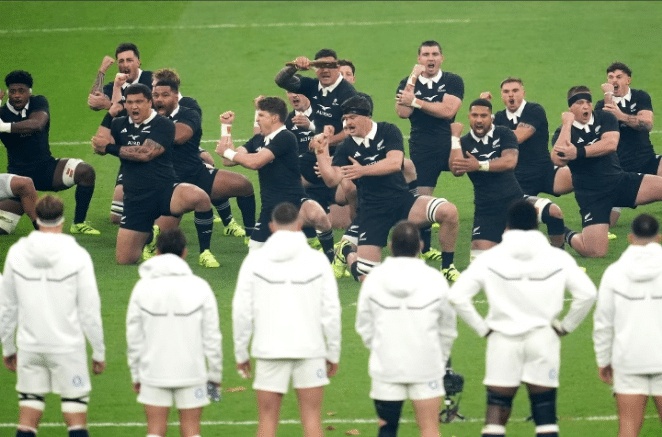
In summary, England outclasses All Blacks 33-19 under Steve Borthwick, blending strategic brilliance, bench depth, and resilience, signaling potential for sustained dominance in international rugby.