Ekweremadu remains in UK prison as Nigeria’s request for deportation is rejected, while his wife returns home after serving part of her sentence.
The United Kingdom has officially denied a request by the Nigerian government to allow former Deputy Senate President Ike Ekweremadu to complete his prison sentence in Nigeria.
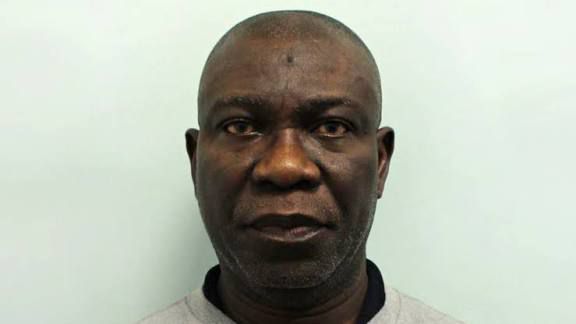
The decision comes after high-level discussions between Nigeria’s Foreign Affairs Minister, Yusuf Tuggar, and officials at the UK Ministry of Justice, who reviewed the case in detail.
Ekweremadu is currently serving a sentence of nine years and eight months in a UK correctional facility following his 2023 conviction for attempting to traffic a young man for organ harvesting.
The former senator was found guilty of conspiring to remove the victim’s kidney, a case that captured global attention and was widely described as a serious instance of modern slavery.
Recently, the Nigerian government formally requested Ekweremadu’s deportation so he could serve the remainder of his sentence in Nigeria.
Officials argued that repatriating him would allow the sentence to continue under the Nigerian prison system and potentially facilitate family support and reintegration.
READ: Ekweremadu transfer to Nigeria: Presidential talks underway
Activist Mahdi Shehu questions Tinubu’s motive behind Ekweremadu prison release effort
However, the UK Ministry of Justice reportedly rejected the request, citing the absence of credible guarantees that Ekweremadu would complete his sentence in Nigeria.
A source from the Ministry of Justice told The Guardian UK that: “The UK will not tolerate modern slavery and any offender will face the full force of UK law.”
This stance underscores the UK government’s commitment to ensuring that serious crimes like organ trafficking are fully punished, regardless of the offender’s nationality.
With this decision, Ekweremadu is expected to remain in the United Kingdom for the duration of his sentence.
Legal experts say the case highlights the challenges of international prisoner transfer agreements, particularly when crimes involve human exploitation.
The ruling also reinforces the principle that serious offenses with cross-border implications require adherence to international law and rigorous oversight.
Meanwhile, Beatrice Ekweremadu, his wife, who was sentenced to four years and six months in prison with half of that term served in custody, has already returned to Nigeria after completing her sentence.
Her release has drawn public discussion regarding consistency in sentencing and rehabilitation policies for offenders convicted in international cases.
The Ekweremadu case has generated significant debate in Nigeria. Some argue that returning him to Nigeria could have taken cultural and familial factors into account, while others contend that his continued imprisonment in the UK is necessary to uphold justice and serve as a deterrent against future crimes of organ trafficking.
Civil society groups and legal analysts have also emphasized that the case exposes weaknesses in international cooperation on transnational crimes, especially where national legal systems differ.
Foreign Affairs Minister Yusuf Tuggar confirmed that Nigeria remains committed to monitoring Ekweremadu’s welfare while respecting the UK’s legal processes.
He stated that the Nigerian government will continue to engage with international partners to ensure the rights and interests of citizens abroad are protected, especially in serious criminal cases.
Legal experts note that Ekweremadu’s case serves as a precedent for how cross-border criminal cases might be handled in the future.
It highlights the importance of transparency, accountability, and collaboration between nations when addressing crimes like human trafficking and organ harvesting.
Such cases also underscore the necessity for strict enforcement of international laws to prevent offenders from evading full justice.
The UK government’s decision to keep Ekweremadu incarcerated demonstrates its firm stance on human rights and modern slavery-related offenses.
The case also signals to the international community that crimes involving organ trafficking will be prosecuted to the fullest extent of the law, with no exceptions based on political status or nationality.
Ekweremadu will continue to serve his full sentence in the United Kingdom, while his wife, Beatrice, has returned to Nigeria after completing part of her term.
The case remains a significant example of the complexities involved in managing international criminal law, prisoner transfers, and diplomatic negotiations between nations with differing legal systems.
As international attention remains focused on Ekweremadu, the case continues to spark discussions about justice, accountability, and the global fight against human trafficking.
Legal analysts, policymakers, and civil society organizations are all closely monitoring the situation to understand its implications for future cases that cross international boundaries.
Ireport247news
About The Author