

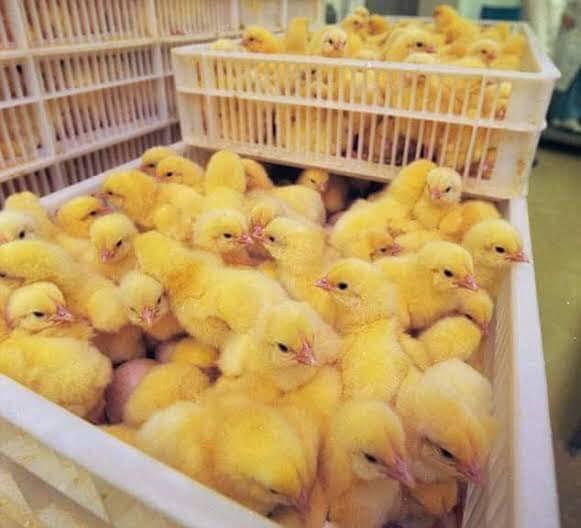
Nigeria egg scarcity: Day-old chick prices surge 67% as poultry sector struggles to rebound
Nigeria’s poultry industry is once again under pressure as a sharp increase in the cost of day-old chicks threatens to disrupt egg production nationwide. Industry data indicates that the Nigeria egg scarcity risk is intensifying, with prices of day-old chicks surging by 67 per cent within just three months.
The steep rise has pushed the cost of day-old chicks from about N1,800 in January 2026 to as high as N3,000, creating a major barrier for poultry farmers seeking to restock and scale production.
The development is now raising concerns over a potential supply gap that could further drive up egg prices and worsen protein shortages across the country.
Supply bottlenecks hit poultry farmers
At the centre of the unfolding Nigeria egg scarcity is a growing shortage of pullets—young hens raised specifically for egg production. Farmers across major poultry-producing states report extended waiting periods of up to three months before they can access new stock from hatcheries.
This supply lag is largely driven by a mismatch between demand and production capacity. Following years of contraction triggered by high feed costs, many poultry farmers had shut down operations. Now, with feed prices showing signs of easing, operators are returning to the sector in large numbers, creating a surge in demand for chicks.
However, hatcheries and breeders, having previously scaled down due to weak demand, are struggling to meet the sudden rebound. The result is a tightening supply chain that is fueling the current Nigeria egg scarcity concerns.
Production challenges deepen crisis
Industry stakeholders point to deeper structural issues behind the rising cost of chicks. One major factor is the failure of breeders to maintain adequate parent and grandparent stock—the breeding hens and roosters required to produce fertilised eggs for commercial hatcheries.
During the downturn in 2023 and 2024, when feed costs skyrocketed due to rising prices of maize and soybeans, many hatcheries reduced production capacity. This led to a significant decline in breeding stock, a gap that is now being felt as demand rebounds.
The knock-on effect is evident in the current Nigeria egg scarcity, as hatcheries are unable to ramp up production quickly enough to meet market needs. Rebuilding breeding stock takes time, meaning the supply gap may persist in the short term.
Currency pressure worsens situation
The depreciation of the naira has further compounded the crisis. Many hatcheries rely on imported fertilised eggs and specialised inputs for production. With the weaker currency, the cost of these imports has risen sharply, forcing operators to either increase prices or reduce output.
This dynamic has played a significant role in accelerating the Nigeria egg scarcity, as higher input costs are passed down the value chain to farmers and, ultimately, consumers.
Industry experts note that the foreign exchange challenge remains a critical bottleneck. Without improved access to affordable forex, hatcheries may continue to struggle with production capacity, prolonging the supply shortage.
Egg prices surge, consumers hit hard
The implications of the Nigeria egg scarcity are already being felt at the consumer level. Egg prices have risen steadily in recent months, making the staple protein source increasingly unaffordable for many households.
Eggs, widely regarded as one of the cheapest and most accessible sources of protein in Nigeria, are now slipping out of reach for low- and middle-income earners. This has significant implications for food security and nutrition, particularly for children.
The situation threatens ongoing efforts to improve protein consumption across the country. Nigeria’s average daily protein intake remains below the minimum recommended level by global health standards, and the rising cost of eggs could widen this gap further.
Sector recovery faces delays
While there are signs that the poultry sector is gradually recovering from previous shocks, stakeholders warn that the Nigeria egg scarcity will not be resolved immediately. The production cycle for layers—the birds used for egg laying—means it could take several months before supply stabilises.
Industry leaders emphasise that even with increased restocking, it takes time for chicks to mature into egg-laying hens. This lag suggests that the current shortage may persist through the next production cycle before any meaningful improvement is seen.
Despite the challenges, there is cautious optimism that the sector is on a recovery path. Lower feed costs have encouraged farmers to return, and increased investment in poultry farming could eventually boost output.
Broader economic implications
Beyond the poultry industry, the Nigeria egg scarcity carries wider economic implications. Rising egg prices contribute to food inflation, adding pressure to an already strained cost-of-living environment.
Small businesses, including bakeries and food vendors that rely heavily on eggs, are also facing increased operating costs. This could lead to higher prices for a range of food products, further impacting consumers.
In addition, the shortage highlights the vulnerability of Nigeria’s agricultural value chains to supply shocks, currency volatility, and policy gaps.
Pathways to stabilisation
Experts argue that addressing the Nigeria egg scarcity requires targeted interventions across the poultry value chain. Key measures include supporting hatcheries to rebuild breeding stock, improving access to affordable financing, and stabilising the foreign exchange market.
There are also calls for increased investment in local production of key inputs to reduce reliance on imports. Strengthening feed supply chains and encouraging large-scale poultry operations could help improve resilience in the sector.
Ultimately, the current crisis presents an opportunity for policymakers to implement reforms that enhance productivity and ensure long-term sustainability.
Outlook for egg supply
As Nigeria navigates this challenging period, the trajectory of the Nigeria egg scarcity will depend largely on how quickly supply constraints can be addressed. While the sector shows signs of recovery, structural issues must be resolved to prevent future disruptions.
For now, consumers and businesses alike may need to brace for continued price pressures, as the poultry industry works to rebuild capacity and restore balance to the market.