Three more men are dead and families in Murang’a county are asking the same question: who will be held accountable? The Del Monte Kenya killings have not stopped, despite the food giant hiring British security firm G4S to replace its in-house guards after years of abuse allegations.
According to The Guardian, the deaths occurred over the past 12 months and allegedly involve G4S guards working alongside Kenyan police. Victims include two brothers shot and stoned, and a man knocked off a motorbike by a company pickup. All three incidents happened on Del Monte’s 40 sq km pineapple farm, Kenya’s largest produce exporter.
The farm supplies major UK supermarkets and is worth more than $100m a year. But campaigners say the decision to bring in 270 G4S guards and a police “critical infrastructure protection unit” has made lethal force harder to prosecute, not easier to prevent.
Three Deaths in One Year on the Pineapple Farm
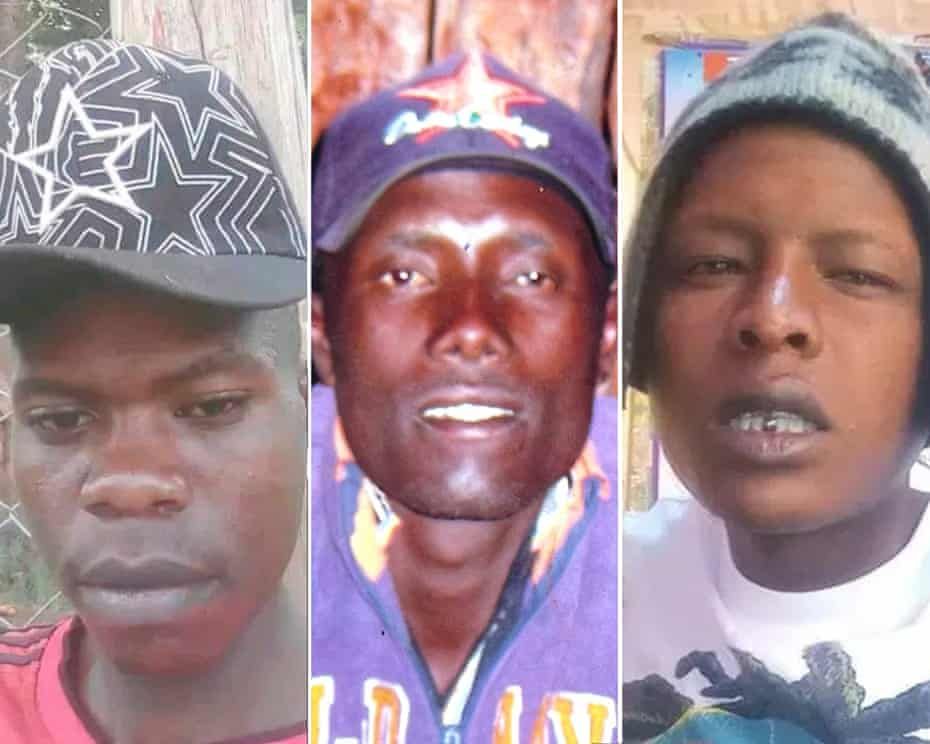
The first death happened on 12 August 2025. Stephen Marubu Kibandi, 34, was shot in the chest at close range. A witness, Stephen Nderitu, told The Guardian that Kibandi was among men being chased by police and G4S guards after resisting arrest.
“There were two policemen and two G4S guards about 50 metres from where we were when I saw one of them point a gun at us and I jumped into the nearby thickets,” Nderitu said. “Marubu held up both his hands and I heard a gunshot and saw him go down.”
A postmortem report seen by The Guardian listed the cause as “severe haemorrhage due to perforating chest injury due to single gunshot.” The case is being investigated by Kenya’s Independent Police Oversight Authority. G4S says it shared footage showing guards and police being attacked with stones and machetes before the shot was fired, and that a G4S vehicle was set alight. The company declined to share the footage with The Guardian.
Eight months later, Stephen’s younger brother Haron Kame Kibandi, 27, died from brain injuries. According to clinic manager Simon Mburu, Haron said he was hit on the head by stones thrown by G4S guards, causing him to fall from a moving motorbike.
Kennedy Kiarie, 28, who was riding the bike, told The Guardian: “I saw a G4S Land Cruiser with about six guards and two policemen parked as if laying an ambush. As we approached, they shouted and they started throwing stones.” Kiarie admits both were stealing pineapples. Haron died four days later from an epidural haematoma. G4S says it is not aware of any involvement in Haron’s death.
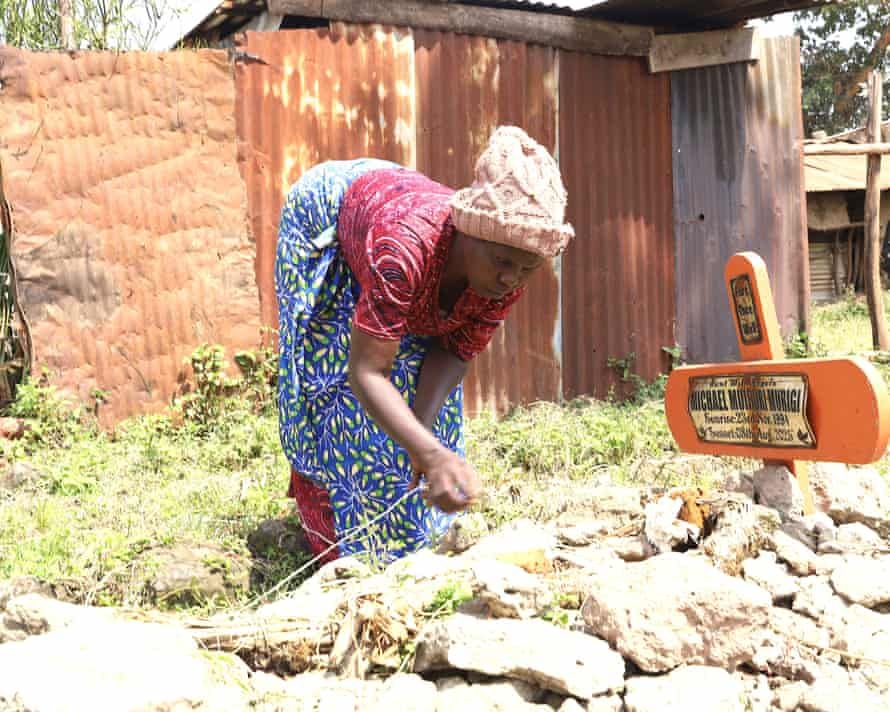
The third case was Michael Muiruri, 31, who died on 8 August last year after being knocked off a motorbike by a G4S pickup truck. A postmortem said the motorcycle was “hit from behind and throwing the deceased along the middle of the road before the same motor vehicles hit him and properly ran over.” The driver has been charged with causing death by dangerous driving and dismissed. G4S and Del Monte call it a traffic accident.
Muiruri’s mother, Margaret Njeri Murigi, 52, said: “Every time I pass by Del Monte I feel a lot of pain. Even if he had gone into the farms, why didn’t they arrest him and take him to court?”
G4S Security Kenya and Police Presence Under Scrutiny
Del Monte Kenya outsourced all security to G4S in March 2024 after The Guardian exposed allegations of four killings over a decade. At the time, then acting managing director Wayne Cooke said: “The safety and security of each individual within our company and the surrounding community are our top priority.”
The company also brought in Kenyan police to form a “critical infrastructure protection unit” at the farm. But locals say this has made things worse.
Clement Kamau of Kagama Community Action Forum, who documents alleged abuses, told The Guardian: “They have armed policemen inside their vehicles and that means they have more power and even when you report violence, it’s the same policemen you will be dealing with.”
A G4S spokesperson said officers “have undertaken comprehensive training, including operational procedures, human rights awareness, de-escalation techniques and the principles of minimum use of defensive force.” The company said matters raised “either relate to police operations, not G4S, or road traffic accidents that are investigated by the Kenyan police.”
A source at Del Monte Kenya said G4S was chosen for its “strong commitment to maintaining human rights standards” and that the company also uses GardaWorld for control room operatives to “avoid entrenched problems arising from the establishment of a single security firm.” Del Monte added it “investigates instances of wrongdoing brought to its attention, and takes appropriate action.”
Kenyan police defended the arrangement, saying it was meant “to not only secure a strategic investment in the country but also reinforce a firm measure of the rule of law and an end to impunity.” They said “unacceptable behaviour including theft of produce made the government step in” and that security had improved.
Families Demand Justice and an Independent Probe
The human cost is clear in Murang’a, where the average monthly salary is about £280 and pineapple theft has been a problem for decades.
Harrison Kibandi Marubu, 61, buried both his sons within a year. Standing between their graves, he said: “I have no one to inherit me now. If I had the power to do something, I would show my anger towards G4S and Del Monte for what they have done to me. Must all the suspected thieves be killed?”
Haron’s widow, Caroline Wanjiku, 24, is raising their three-year-old daughter alone. “Life is tough because she asks me hard questions. I dropped out of high school and I don’t have a job,” she said.
Murang’a Senator Joe Nyutu has called for an independent investigation. “Repeated incidents over a relatively short period point to systemic issues that require examination, including security protocols, command responsibility and adherence to human rights standards,” he said. “No company operating in Kenya, regardless of its size or economic contribution, should be beyond scrutiny.”
Read also: Trump Hormuz blockade announced as US vows 20% fee on ships crossing Strait
Campaigners fear more deaths because police involvement makes prosecutions harder. The UN special rapporteur on human rights defenders has said Kamau has faced threats for his work documenting the farm.
Del Monte’s farm remains a major employer and exporter. But for families living around its fences, the promise of new security has not brought safety.
As Margaret Murigi tends her son’s grave covered in rocks, the question lingers: was hiring G4S meant to protect people, or just protect pineapples?