

Darren Fletcher interim Manchester United manager marks a decisive Old Trafford reset, as the club confirms his temporary promotion following the dismissal of Rúben Amorim.
The Manchester United managerial change ends Amorim’s short, turbulent tenure, driven by inconsistent results, tactical uncertainty, and mounting pressure from supporters demanding immediate improvement.
Club executives moved quickly, installing Fletcher to steady morale, maintain operational continuity, and guide the first team through a delicate transitional period.
As Darren Fletcher interim Manchester United manager, the former midfielder steps into senior leadership drawing upon institutional knowledge and long-standing respect inside Carrington.
Fletcher’s appointment reflects internal trust, prioritising familiarity and stability while the board begins a structured Manchester United future manager search.
The Rúben Amorim sacking reaction has divided opinion, with some fans citing inadequate recruitment support, while others argue performances made dismissal unavoidable.
Amorim arrived amid optimism, praised for modern ideas, but struggled translating philosophy into consistent Premier League results under relentless scrutiny.
Injuries, defensive fragility, and tactical experimentation combined to derail momentum, leaving United drifting away from domestic targets and European qualification hopes.
This Old Trafford interim appointment aims to arrest decline, restore clarity, and protect squad unity as competitive pressures intensify across multiple competitions.
Fletcher’s immediate task involves simplifying tactical instructions, rebuilding confidence, and ensuring experienced players assume responsibility during a challenging run of fixtures.
Having served as technical director, Fletcher understands squad dynamics, recruitment limitations, and cultural expectations shaping decision-making at Manchester United.
Players are expected to respond positively, given Fletcher’s credibility as a former captain and respected dressing-room figure throughout his playing career.
Training sessions will likely prioritise organisation, defensive discipline, and work-rate, reflecting a pragmatic approach suited to short-term stabilisation.
Supporters have cautiously welcomed the Manchester United managerial change, viewing Fletcher as a steady hand rather than a long-term strategic gamble.

The club hierarchy insists the interim role carries full authority, enabling decisive team selection and disciplinary standards without external interference.
Fletcher’s coaching staff will remain largely unchanged, ensuring continuity while subtle adjustments are introduced to address recurring weaknesses.
Senior figures within the squad are expected to play enhanced leadership roles, supporting the interim manager during this critical period.
The Manchester United future manager search has already begun, with executives assessing profiles aligning tactical identity, development, and elite-level experience.
Potential candidates range from proven European coaches to emerging talents, though financial constraints and squad balance remain decisive factors.
United’s recent managerial turnover has intensified scrutiny on ownership strategy, recruitment coherence, and long-term sporting vision.
Board members acknowledge past mistakes, stressing lessons learned regarding timing, backing, and cultural fit when appointing head coaches.
For Fletcher, results remain secondary to stability, with performance levels, effort, and unity viewed as immediate success indicators.
A strong run could reshape perceptions, though the club insists no permanent appointment decision hinges solely on interim outcomes.
Media attention has intensified, placing Fletcher under constant evaluation despite assurances of patience from senior executives.
Players returning from injury may benefit from simplified roles, helping rebuild rhythm and restore competitive balance across competitions.
Youth prospects could receive opportunities, reflecting Fletcher’s background in development pathways and academy integration.
Supporters hope the Old Trafford interim appointment reduces turbulence, allowing focus on football rather than boardroom uncertainty.
Commercial partners and stakeholders are monitoring developments closely, recognising stability’s importance to global brand confidence.
Amorim’s departure underscores Premier League pressures, where adaptation speed often outweighs philosophical consistency.
Despite disappointment, Amorim leaves with respect from sections of the fanbase acknowledging structural challenges beyond his control.
Fletcher’s calm communication style contrasts recent volatility, offering reassurance during press conferences and internal briefings.
Matchday atmospheres will test this reset, with fans demanding visible commitment and collective responsibility on the pitch.
Short-term objectives include improved defensive metrics, reduced errors, and clearer attacking patterns within matches.
The Manchester United managerial change also impacts recruitment planning, with interim evaluations feeding into summer strategy.
Fletcher will liaise closely with executives to provide honest assessments of squad needs and character requirements.
Transparency between coaching staff and hierarchy is viewed as essential following recent communication breakdowns.
Rival clubs observe developments, recognising United’s instability as both opportunity and cautionary tale.
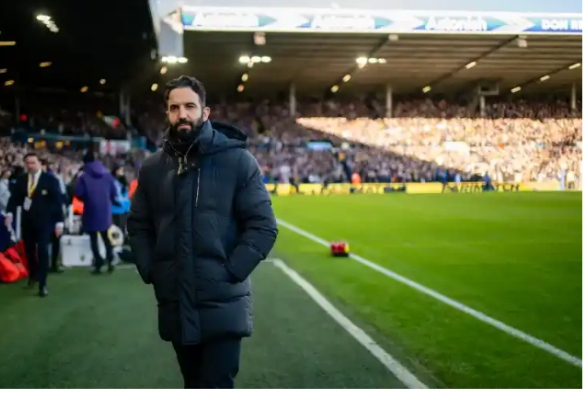
A successful interim spell could enhance Fletcher’s long-term executive influence, regardless of managerial outcome.
For now, focus shifts to fixtures, training intensity, and rebuilding trust between players and supporters.
The Old Trafford interim appointment represents pragmatism over panic, favouring internal cohesion amid external noise.
Manchester United’s identity remains under examination, balancing tradition with modern competitive demands.
Read more here: Ruben Amorim sacked: How a boardroom rift brought Manchester United to breaking point
Fletcher’s stewardship may prove brief, yet its importance could resonate throughout future strategic decisions.
Ultimately, Darren Fletcher interim Manchester United manager symbolises continuity during chaos, offering steadiness while long-term answers are sought.
The coming weeks will reveal whether this reset restores belief, competitiveness, and direction at one of football’s most scrutinised institutions.
About The Author


