


Three passengers have died and several others are seriously ill following a suspected hantavirus outbreak aboard a Netherlands-based cruise ship, prompting urgent international intervention and a growing global health alert.
The incident occurred on the MV Hondius, a polar expedition vessel operated by Oceanwide Expeditions, while sailing off Cape Verde in the Atlantic Ocean. Authorities say the outbreak involves hantavirus, a rare but potentially deadly rodent-borne disease.
The situation has triggered coordinated investigations led by the World Health Organization, alongside national health authorities from multiple countries.
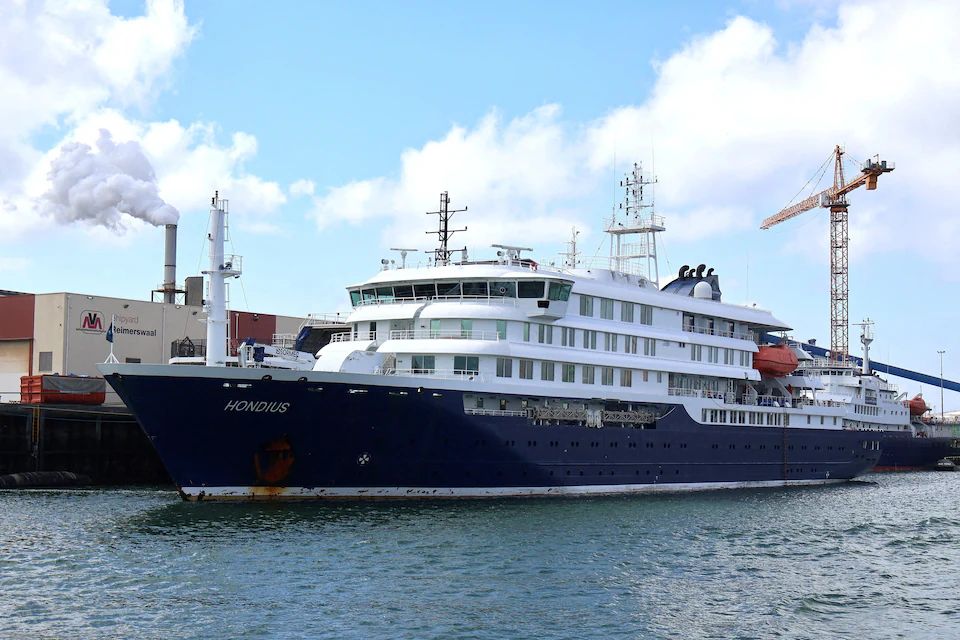
Cruise ship outbreak triggers emergency global response
The cruise ship had departed from Argentina roughly three weeks earlier, carrying about 150 passengers on an expedition route that included Antarctica before heading toward Cape Verde.
Health officials confirmed that three passengers have died, while three others remain in serious condition. One patient is currently in intensive care in South Africa.
A Dutch Foreign Ministry spokesperson confirmed that two of the deceased were Dutch nationals, though identities have not been released pending family notification.
The World Health Organization confirmed that laboratory testing has detected hantavirus in at least one patient, while further tests are ongoing to determine the scale of the outbreak.
According to Reuters, a WHO spokesperson said, “We are coordinating urgently with member states and medical teams to ensure rapid evacuation and containment of the situation onboard.”
What makes hantavirus so dangerous
Hantavirus is primarily transmitted through contact with infected rodents, especially through inhalation of airborne particles from urine, droppings, or saliva.
Health experts warn that early symptoms often resemble flu, including fever, fatigue, and muscle pain, making early detection difficult in confined environments like ships.
A senior infectious disease specialist noted, “The challenge with hantavirus is that patients can appear stable initially, but their condition can deteriorate very quickly into severe respiratory failure.”
In severe cases, the virus can lead to cardiopulmonary complications with a high fatality rate if not treated promptly.
Emergency situation aboard the MV Hondius
The cruise operator confirmed it is managing what it described as a “serious and evolving medical emergency” onboard the vessel.

The ship, which is designed for remote polar exploration, was sailing near Cape Verde when passengers began showing symptoms consistent with hantavirus infection.
Cape Verde authorities have not yet approved full medical disembarkation for all affected passengers, slowing evacuation efforts.
Dutch authorities are reportedly working on emergency repatriation plans for both symptomatic passengers and the remains of a deceased individual.
A source close to the operation said, “Time is critical. Every delay increases the risk for those still showing symptoms.”
WHO leads urgent coordination effort
The World Health Organization is now coordinating a multinational response involving medical evacuation, risk assessment, and containment protocols.
The agency confirmed that one infected passenger is in intensive care in South Africa, while others are being closely monitored.
A WHO official stated, “Our priority is ensuring safe evacuation of critical cases while assessing any broader public health risk to passengers and crew.”
Health agencies are also investigating how the virus entered the ship and whether environmental exposure during expedition stops may have contributed.
Investigation into possible source of outbreak
Preliminary assessments suggest the outbreak may be linked to rodent exposure during expedition activities or environmental contamination in remote travel zones.
Experts stress that while cruise ships follow strict hygiene protocols, expedition vessels operating in remote regions face additional environmental risks.
Read also: Strait of Hormuz crisis escalates as tanker is hit after Trump orders US navy action
A maritime health consultant explained, “Even with strong protocols, remote expedition environments can expose vessels to unexpected biological risks that are difficult to fully eliminate.”
Investigators are now reviewing onboard conditions, expedition routes, and waste management systems.
Global concern over cruise ship safety
The outbreak has raised wider concerns about infectious disease control on cruise ships, especially those operating long-distance expedition routes.
Public health experts warn that confined environments with shared facilities can accelerate transmission if infections are not detected early.
The incident is expected to trigger renewed scrutiny of cruise ship health monitoring systems and emergency preparedness standards.
What happens next
The coming days will be critical as international health authorities work to stabilize the situation aboard the MV Hondius and complete emergency evacuations.
The World Health Organization continues to coordinate with national governments to ensure rapid medical extraction of critically ill passengers and prevent further spread.
Investigators are also racing to confirm the exact source of the outbreak and whether it originated from environmental exposure during expedition stops or onboard contamination.
Global health officials warn that while the outbreak currently appears contained, the situation remains highly fluid and could evolve depending on new test results and evacuation speed.
The hantavirus outbreak aboard the MV Hondius has rapidly developed into a serious international health emergency, resulting in multiple deaths and urgent global coordination efforts.
With passengers still receiving emergency treatment and investigations ongoing, authorities are working to contain the outbreak and prevent further fatalities.
The incident has reignited global concerns about infectious disease risks in remote travel environments and highlights the importance of rapid response systems in preventing localized outbreaks from becoming international crises.
As one health official summarized, “This is a reminder that even rare viruses can become critical threats when detection and response are delayed.”
About The Author
