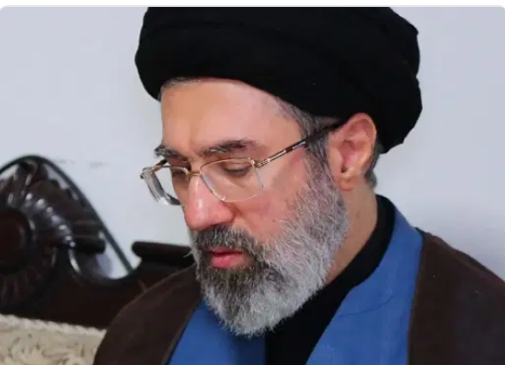
China warned Monday against targeting Mojtaba Khamenei, the newly appointed Iranian supreme leader, stressing that Tehran’s internal affairs should remain free from foreign interference. The statement comes as tensions in the Gulf region escalate following the death of Ali Khamenei, Mojtaba’s father, in a series of US and Israeli strikes earlier this month.
China described the appointment of Mojtaba Khamenei as a constitutional matter and called for all countries to respect Iran’s sovereignty, security, and territorial integrity.
A spokesman for China’s foreign ministry, Guo Jiakun, told reporters that the Chinese government “opposes interference in other countries’ internal affairs under any pretext” and emphasized that Iran’s decision to name Mojtaba Khamenei as its leader is “fully in accordance with its constitution.” Guo added, “Any threats against the new leader are unacceptable and risk escalating an already dangerous situation in the region.”
The tensions in Iran have intensified after repeated Israeli military warnings targeting possible successors to the late Ali Khamenei. The United States has maintained a hardline stance, with former President Donald Trump previously dismissing Mojtaba Khamenei as a “lightweight” and suggesting he should have no role in the leadership transition.
Iran, meanwhile, has responded to threats with both missile and drone strikes against Israel and Gulf states hosting US forces. Chinese officials have expressed concern over these retaliatory measures, urging restraint and emphasizing the importance of regional stability.
China’s envoy to the Middle East, Zhai Jun, met Saudi Arabia’s foreign minister, Faisal bin Farhan, on Sunday to stress the need for de-escalation. He stated, “China urges all parties to immediately cease military operations, prevent further escalation of tensions, and avoid causing greater harm to the people of regional countries.”
China’s Foreign Minister, Wang Yi, also weighed in, saying, “This conflict should never have happened. We must seek dialogue and diplomacy to ensure peace and security in the region.” Wang’s comments highlight Beijing’s dual approach: defending Iran’s sovereignty while advocating for immediate de-escalation to prevent broader instability in the Gulf.
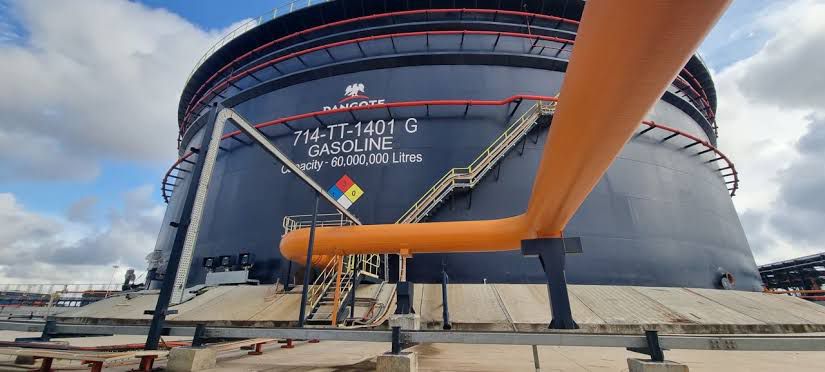
More than 80 percent of Iranian oil exports went to China last year, according to the analytics firm Kpler. While this accounted for about 13 percent of China’s total seaborne oil imports, the wider Middle East supplied over half of China’s seaborne crude imports, making the Strait of Hormuz a critical chokepoint.
Analysts warn that any escalation in Iran could disrupt global energy markets, further complicating China’s reliance on Gulf oil.
Observers note that China’s position is part of a larger diplomatic balancing act. Beijing has close ties to Tehran but has condemned Iranian strikes against neighboring Gulf countries. Guo Jiakun said, “China respects Iran’s decisions regarding leadership succession but also stresses that military actions against other nations are not acceptable and must be avoided.”
The Iranian leadership transition has drawn attention worldwide. Mojtaba Khamenei, relatively unknown on the international stage before his appointment, now faces immense pressure as he assumes control amid conflict.
Analysts warn that the region could face further escalation if foreign powers continue to threaten the new leader, with potentially severe implications for global oil supplies and security.
In Washington, officials remain cautious. While the US has condemned attacks from Iran, there is growing debate over how to address Mojtaba Khamenei’s appointment.
Some lawmakers argue that targeting Iran’s new leadership could provoke further violence, while others advocate for a stronger military posture to counter Iranian aggression.
Meanwhile, Israel has reportedly struck Iranian internal security sites and missile launchers in the past week. A military spokesperson stated, “Our operations target threats to our national security.
Any Iranian activity aimed at harming Israel will be met with decisive action.” Tehran, however, has vowed to retaliate, warning that continued strikes could trigger a wider regional conflict.
International organizations have called for restraint, warning that a prolonged conflict could affect millions of civilians. Humanitarian groups report growing concerns over displaced populations and potential disruptions to food and medical supplies in affected areas. The United Nations has urged dialogue between Iran, the United States, and Israel to prevent further escalation.
China’s engagement in the region is seen as a stabilizing factor by some analysts. By urging respect for Iran’s sovereignty and pushing for an end to hostilities, Beijing seeks to reduce the risk of a wider confrontation. Zhai Jun emphasized, “Peace in the Gulf is vital not only for the region but also for global stability.
China calls for dialogue, not escalation.”
Experts also point out that Mojtaba Khamenei’s leadership may redefine Iran’s approach to regional politics. While maintaining continuity with his father’s policies, he could introduce changes in military and diplomatic strategy, particularly regarding Iran’s nuclear program and relations with Gulf neighbors.
Analysts warn that foreign powers must exercise caution in responding to these developments.
Global markets are already feeling the strain. Oil prices surged following recent strikes in the Gulf, reflecting fears of supply disruption.
Economists warn that a prolonged conflict could push prices even higher, affecting not just China but the broader international economy. Kpler data indicates that any blockade or conflict in the Strait of Hormuz could reduce seaborne crude flows by millions of barrels per day.
In addition to energy concerns, regional security experts stress the risk of escalation drawing in multiple powers. “Any targeting of Mojtaba Khamenei could provoke Iran into direct confrontations beyond its borders,” said Dr. Farid Ghaffari, a Middle East analyst.
“This is why China’s warning is particularly significant; it signals that unilateral actions against Iran’s leadership could have severe repercussions.”
Diplomatic sources indicate that China has also been in communication with Russia and other Gulf states, advocating a multilateral approach to resolving tensions. “Engagement, not isolation or aggression, is the only path forward,” a Beijing-based diplomat said on condition of anonymity.
Despite international calls for calm, the situation remains volatile. Iran continues to bolster its defenses and increase drone patrols over Gulf waters. Meanwhile, US and Israeli intelligence continue monitoring developments closely, ready to respond to any perceived threat against regional security.
Humanitarian organizations have warned that civilians are increasingly at risk. Refugee flows from conflict zones are straining neighboring countries’ capacities, and access to medical supplies is becoming more difficult. Experts stress that a peaceful resolution is critical to avoid further human suffering.
The stakes are high not just for Iran but for the wider region. Any miscalculation or targeted strike against Mojtaba Khamenei could trigger a chain reaction, potentially drawing in multiple nations and destabilizing global energy markets.
China’s insistence on respecting Iran’s internal decision-making reflects an understanding of these risks, underscoring the delicate balance of power in the Gulf.
As the international community watches closely, Beijing has reiterated its call for restraint. Guo Jiakun concluded, “The world must recognize Iran’s sovereignty and respect its constitutional processes. Escalation benefits no one, and peace must remain the ultimate goal.”
Read more here:Slain Ayatollah’s son Mojtaba Khamenei named Iran Supreme leader after wartime succession
China’s warning against targeting Mojtaba Khamenei, coupled with calls for dialogue and de-escalation, may influence how other global powers respond.
While the appointment of a new supreme leader presents uncertainties, international consensus on respecting Iran’s sovereignty and preventing escalation could play a vital role in averting a broader conflict that threatens both regional stability and global energy security.