

Chikungunya transmitted in Europe is no longer theoretical, researchers warn, as rising temperatures enable mosquitoes to spread the painful virus across much of the continent.
Scientists say climate change has altered seasonal patterns, allowing disease transmission for longer periods, particularly in southern regions previously protected by cooler temperatures.
A new study finds the virus can spread at lower temperatures than assumed, expanding the number of European countries now facing genuine outbreak risks.
Researchers describe the findings as alarming, noting that warming trends are accelerating faster in Europe than the global average, intensifying public health vulnerabilities.
“This changes our understanding completely,” said one researcher, adding that previous safety assumptions no longer apply in a rapidly warming environment.
Chikungunya causes intense joint pain, fatigue, and long-term disability, with some patients suffering symptoms years after initial infection.
The virus originated in Africa during the mid-twentieth century and remained largely confined to tropical regions for decades.
Global travel and climate change have since transformed its reach, enabling infected travellers to introduce the virus into new environments.
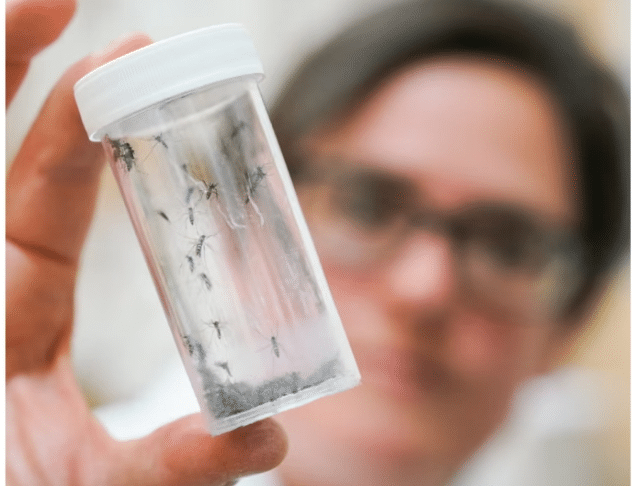
The key carrier is the Asian tiger mosquito, an invasive species that thrives in warmer, wetter conditions and bites aggressively during daytime hours.
Once considered unable to survive European winters, the mosquito has steadily expanded northward as average temperatures climb.
Southern European countries now face transmission windows lasting more than half the year, according to the study’s temperature modelling.
Even northern regions, previously considered safe, may now experience short seasonal windows enabling local transmission.
“Temperature thresholds were misunderstood,” one scientist explained, noting the virus incubates faster inside mosquitoes than previously estimated.
Lower incubation temperatures mean mosquitoes live long enough to infect multiple people during a single season.
The study analysed dozens of earlier experiments, combining them into the most comprehensive temperature model yet produced.
Researchers concluded the virus can spread at temperatures several degrees lower than earlier projections suggested.
“This is quite shocking,” said a lead author, describing how small temperature shifts dramatically alter disease geography.
Public health agencies have already recorded hundreds of locally transmitted cases in parts of western Europe during recent summers.
France and Italy experienced notable outbreaks, signalling a shift from imported cases to sustained local transmission.
“These are no longer isolated incidents,” one epidemiologist warned, “they represent a structural change in disease risk.”
Outbreaks often begin when travellers return infected and are bitten by local mosquitoes capable of onward transmission.
Previously, cold winters acted as a natural firebreak, killing mosquitoes and halting viral circulation between years.
That firebreak is weakening as winters grow milder and mosquito activity persists year-round in some regions.
Researchers fear this could allow outbreaks to amplify rather than reset annually.
“Our intuition is that outbreaks will become larger,” one expert said, “because the virus no longer hits a seasonal dead end.”
The implications extend beyond chikungunya, raising concerns about dengue and Zika viruses using similar transmission pathways.
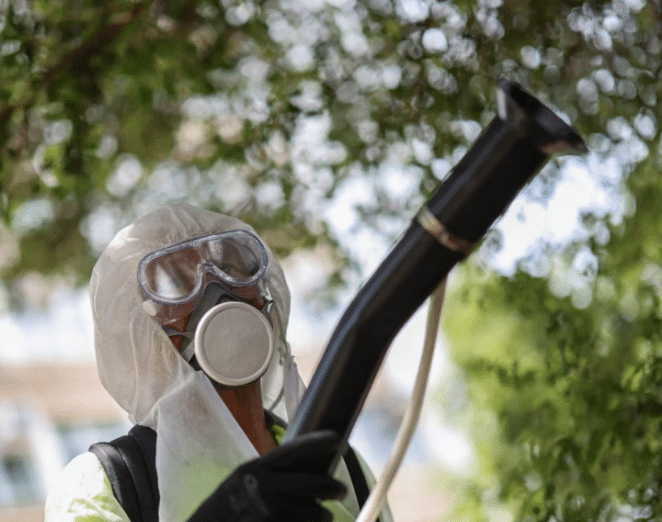
Health officials stress that prevention remains possible with coordinated mosquito control and public awareness.
Removing standing water where mosquitoes breed is among the most effective community-level interventions available.
Wearing long, light-coloured clothing and using insect repellent can significantly reduce individual infection risk.
“Education is crucial,” said a World Health Organization specialist, emphasising household-level prevention strategies.
Surveillance systems must also improve to detect cases early and prevent wider spread, experts advise.
Vaccines exist but remain expensive and limited, reinforcing the importance of preventive measures.
Local authorities are encouraged to target interventions during identified high-risk months.
Mapping transmission windows allows resources to be focused where and when they matter most.
The study provides detailed regional projections, offering actionable intelligence for policymakers.
“This information empowers decision-makers,” said one author, “to act before outbreaks escalate.”
Climate change continues to reshape disease patterns, challenging assumptions built on twentieth-century conditions.
Europe’s experience underscores how warming blurs distinctions between tropical and temperate health threats.
Experts caution that adaptation must accompany emissions reductions to protect public health.
Without sustained action, mosquito-borne diseases may become a persistent feature of European summers.
“Everything has changed,” one researcher reflected, pointing to climate and invasive species interactions.
Communities still have time to respond, scientists stress, but delays will narrow available options.
Read also: ‘One of America’s greatest patriots’: US political leaders pay tribute after death of Jesse Jackson
As chikungunya transmitted in Europe becomes an established reality, preparedness will define future health outcomes.
About The Author


