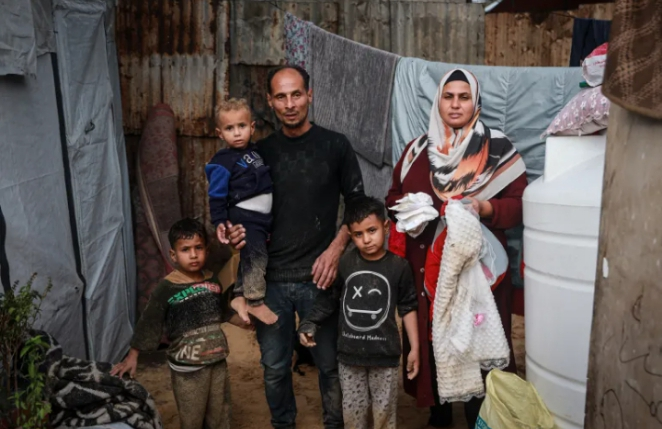
Israeli troops intensified demolition operations across Gaza City as military pressure deepened, hours after soldiers killed a Palestinian man accused in a Hebron car-ramming incident, residents said today.
Palestinians in Gaza reported fresh explosions shaking eastern neighbourhoods where families shelter in collapsing structures, saying Israeli military pushed deeper with bulldozers clearing homes already damaged by weeks of bombardment.
Witnesses described tanks firing repeatedly at residential blocks near the so-called yellow line cutting through Gaza City, adding Israeli military appeared determined to widen the destruction zone forcing new displacements.
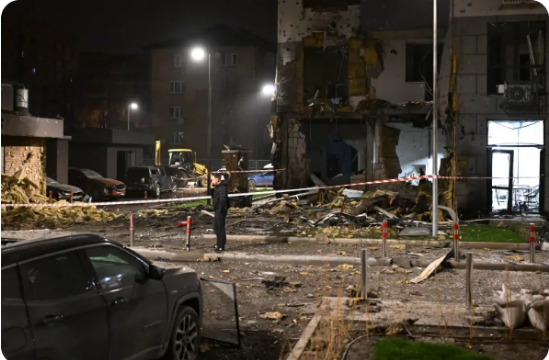
A father of four living near the destroyed blocks said his children cried through the night, explaining Israeli soldiers kept bulldozing walls despite warnings that families remained inside.
The Israeli military said operations targeted suspected tunnel networks beneath civilian areas, insisting Israeli soldiers acted on intelligence pointing to renewed Palestinian armed activity in the northern Strip.
Gaza health workers said ambulances struggled to reach families trapped in crushed homes, stressing Israeli troops created new barriers of debris blocking the remaining narrow lanes through the city.
A displaced woman from Shujayea said her family fled again at dawn, reporting Israeli soldiers firing on rooftops as drones hovered low, adding that no safe direction remained for civilians anymore.
Central Gaza residents said tanks opened fire east of the Bureij refugee camp, explaining Israeli military moved near farmland where hundreds camp in makeshift tents after losing their homes earlier.
In Khan Younis, the army shelled eastern areas repeatedly, according to local monitors, who said Israeli troops targeted open land and residential clusters minutes apart, sending fresh waves of families fleeing.
Elsewhere, the Israeli army confirmed killing the Palestinian accused of last night’s Hebron car-ramming that injured one soldier, saying Israeli troops located him in a village near the city.
Hebron residents said soldiers surrounded the area before dawn, reporting Israeli troops firing heavily into the suspect’s vehicle before dragging the body away as crowds gathered at a distance.
The man’s relatives rejected the army account, insisting he lost control of the vehicle on a steep road, accusing Israeli troops of executing him without investigation as tensions surge across the West Bank.
Human rights groups in the West Bank warned violence had escalated sharply, saying Israeli troops and settlers carried out increasing attacks on Palestinians, livestock and farmland during nightly raids.
Local activists in ar-Ram near Jerusalem said one man was seriously injured when Israeli troops opened fire at youths protesting a new checkpoint, adding ambulances were delayed at the scene.
Gaza officials reported two boys, aged eight and ten, were killed in Bani Suheila east of Khan Younis by a drone strike, describing it as another example of Israeli troops firing on civilians without warning.
Families gathering for morning prayers said the boys had been collecting firewood, explaining Israeli troops have turned routine survival tasks into life-threatening dangers for Gaza’s youngest residents.
The Israeli military said drone strikes targeted militants operating near launch sites, arguing Israeli troops remained committed to preventing renewed rocket activity despite international pressure for restraint.
Authorities in Rafah reported more than forty Palestinians killed in recent days during operations targeting tunnels, saying Israeli troops continued digging and demolishing around densely packed shelters.
The soaring death toll in Gaza, now reported by local health officials as exceeding seventy thousand, has deepened despair among families who say Israeli troops show no sign of easing their campaign.
A teacher displaced from Gaza City said the world has abandoned them, explaining Israeli troops destroyed her school last month and now her temporary shelter stands in another targeted zone.
In Washington, President Donald Trump invited Prime Minister Benjamin Netanyahu to the White House, with aides saying talks would address Israel’s military operations, as Israeli troops expand activities in multiple areas.
Netanyahu appeared in court in Tel Aviv earlier this week seeking a pardon in ongoing corruption cases, generating political tension as Israeli troops conduct large-scale operations under his leadership.
Regional observers say the latest developments show no movement towards a political resolution, stressing Israeli troops remain focused on expanding control while Palestinians face worsening humanitarian collapse.
A Gaza aid coordinator said clinics across northern districts cannot function because Israeli troops damaged water lines and electricity points serving medical tents, leaving doctors unable to treat infections.
Parents queueing for limited food supplies said their children survive on bread and canned beans, explaining Israeli army blocking crossings have choked humanitarian deliveries the population desperately needs.
Residents near Gaza City said bulldozers flattened new blocks overnight, insisting Israeli soldiers are demolishing homes without presenting evidence of military necessity, leaving entire families destitute.
A young man searching rubble for documents said his family lost three generations of records, explaining Israeli troops have erased his neighbourhood so thoroughly he no longer recognises familiar streets.
International organisations warn the destruction has pushed nearly all remaining families in Gaza City to flee once more, adding Israeli troops are creating mass displacement that cannot be sustained.
Mothers interviewed near makeshift encampments said babies suffer from cold nights and untreated diarrhoea, explaining Israeli soldiers’ continued shelling prevents them from reaching clinics or accessing clean water.
Humanitarian agencies said the West Bank also faces crisis levels of instability as Israeli soldiers conduct nightly raids across multiple towns, prompting widespread fear and uncertainty among families.
Residents in Bani Naim said soldiers stormed several homes overnight, explaining Israeli troops interrogated men in courtyards while women and children waited outside in freezing weather.
Palestinian leaders condemned the killing in Hebron, saying Israeli armed men are using excessive force, insisting investigations must be conducted whenever casualties occur under disputed circumstances.
A relative of the slain man said grief has overtaken the family, asserting Israeli soldiers deprived them of due process, leaving them without answers as violence spirals across Israeli-controlled areas.
Analysts say the combination of Gaza destruction and West Bank crackdowns reflects a broad strategy, arguing Israeli army are shaping political realities ahead of potential negotiations or regional deals.
Activists say families across affected areas cannot endure much longer, explaining Israeli army‘ operations have dismantled homes, livelihoods and community networks vital for long-term stability.
Foreign ministries across Europe issued statements urging de-escalation, stressing Israeli troops must protect civilians, though critics say such appeals carry little weight as operations intensify.
A Gaza mother holding her toddler in a crowded shelter said she fears another night of bombing, whispering that troops have made survival itself unpredictable for every family still trapped there.
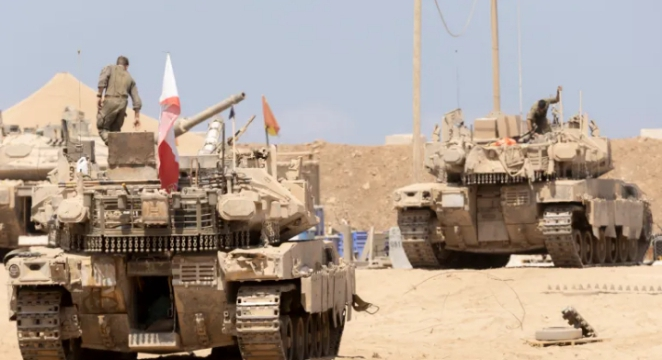
Humanitarian monitors warn the situation may worsen in coming days, saying Israeli troops continue expanding operations across northern and central Gaza, further overwhelming exhausted rescue teams.
About The Author