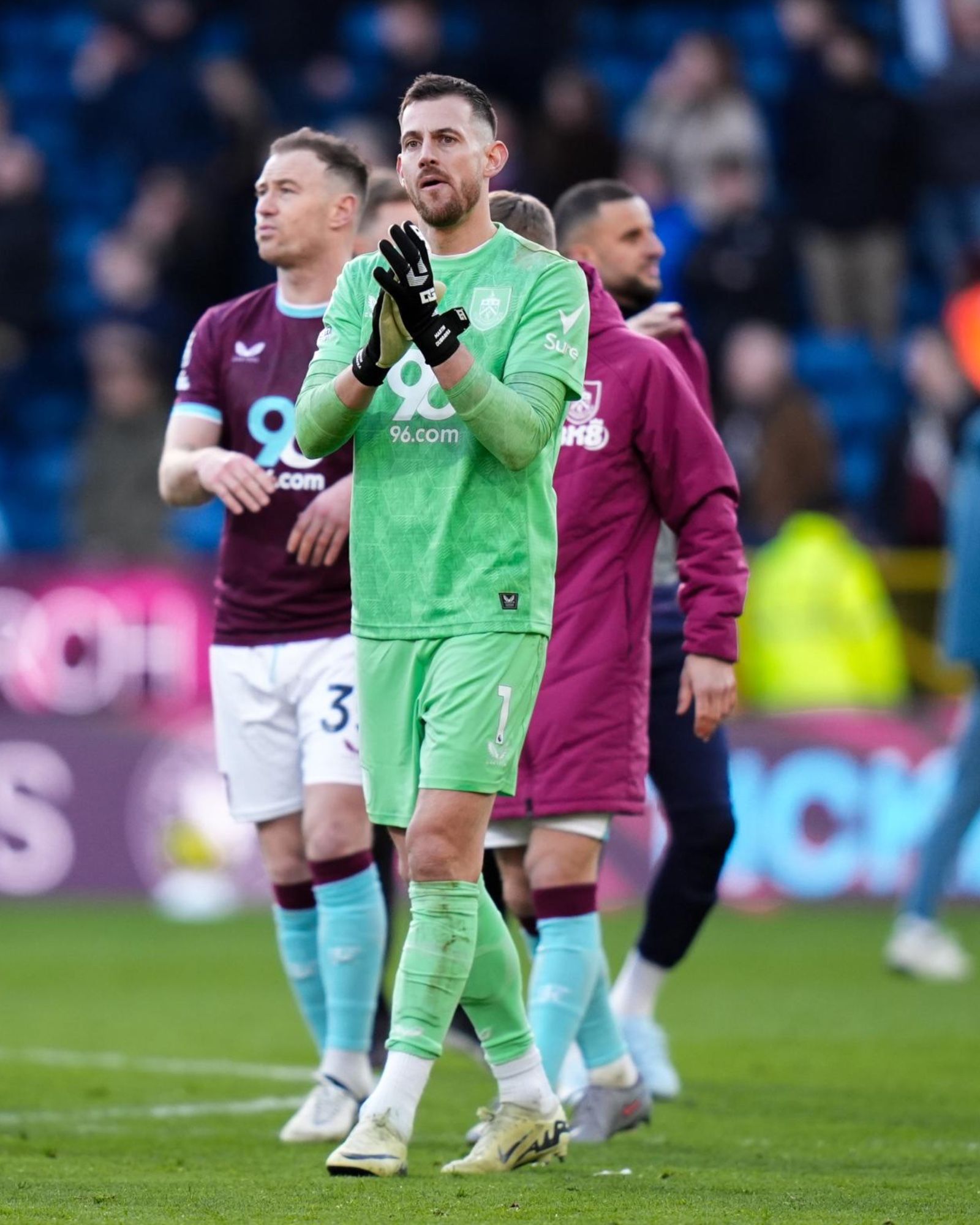
British planes in the sky marked the UK’s immediate response as Prime Minister Keir Starmer confirmed defensive operations following US-Israel strikes on Iran. The announcement came amid escalating regional tensions.
Sir Keir said the UK had not participated in the coordinated assault authorised by Donald Trump but stressed Britain would defend allies against Iranian retaliation across the Middle East.
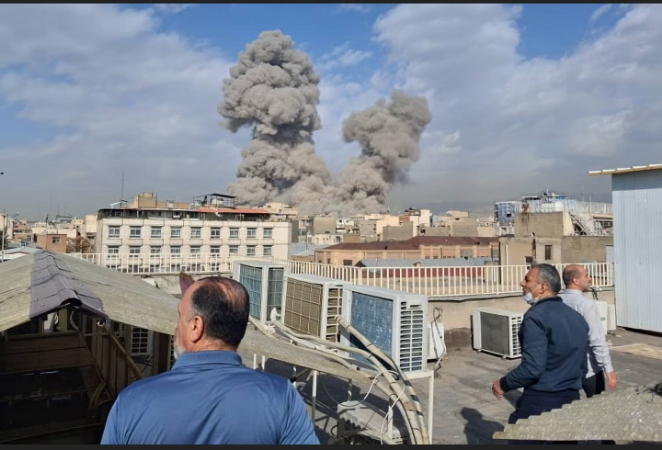
The crisis erupted after Washington and Jerusalem launched what they described as a “pre-emptive” strike targeting Iran’s nuclear programme, prompting swift retaliatory missile launches towards Israel and neighbouring states.
Explosions were reported over Tehran, with plumes of smoke rising above the capital as Iranian air defences responded. The strikes marked one of the most dramatic escalations in regional hostilities in years.
In an address from Downing Street, Sir Keir declared: “British planes are in the sky today as part of coordinated regional defensive operations to protect our people, our interests and our allies.”
He added: “We condemn Iran’s attacks today on partners across the region. Many of these countries are not parties to this conflict. We extend our support and solidarity to them.”
The prime minister emphasised that all UK actions were “in line with international law” and insisted Britain’s posture remained defensive despite heightened military readiness.
An emergency COBRA meeting was convened early Saturday, bringing together senior ministers, defence chiefs and intelligence officials to assess risks to British interests and personnel.
Security was raised to its highest level at UK military installations in Cyprus, reflecting concerns that Iranian retaliation could extend to Western bases in the region.
President Trump, in an eight-minute address, described the operation as a “major combat operation” and insisted Iran could “never have a nuclear weapon,” adding: “It’s been mass terror, and we’re not going to take it any longer.”
However, the UK government reportedly refused permission for US forces to use RAF bases in Cyprus for the strike, citing legal concerns over the justification for military action.
Former national security adviser Peter Ricketts said the strikes were not “legal in a way that the UK would recognise,” arguing there was no imminent threat to the United States.
He told BBC Radio 4: “None of this, I think, is in any sense legal. This is action that they chose to undertake, or were dragged into by the Israelis.”
The joint US-Israeli action has exposed policy differences between London and Washington, particularly over interpretations of international law and proportionality.
Despite those differences, Sir Keir avoided direct criticism of the United States, instead focusing condemnation on Tehran’s “retaliatory strikes” against regional partners.
He warned that the Iranian regime “must never be allowed to develop a nuclear weapon” and accused it of destabilising activities beyond its borders.
The prime minister said Iran had attempted “at least 20 terrorist attacks on the UK in the last year alone,” describing the regime as a “direct threat” to dissidents and Jewish communities.
In a coordinated statement with French President Emmanuel Macron and German Chancellor Friedrich Merz, Sir Keir urged de-escalation and a negotiated solution.
The three leaders stated: “We condemn Iranian attacks on countries in the region in the strongest terms. Iran must refrain from indiscriminate military strikes.”
They added: “Ultimately, the Iranian people must be allowed to determine their future,” signalling continued European pressure on Tehran over human rights concerns.
Domestically, the crisis has triggered political divisions. Reform UK leader Nigel Farage urged the government to permit US use of British bases.
Posting on X, Mr Farage wrote: “The prime minister needs to change his mind on the use of our military bases and back the Americans in this vital fight against Iran!”
Conservative leader Kemi Badenoch expressed support for the US and Israel, saying she stood with allies confronting what she termed Iran’s “vile regime.”
She said the Islamic Republic sought nuclear weapons that would threaten Britain and highlighted its repression of pro-democracy protests.
Meanwhile, Labour MP Emily Thornberry cautioned against being drawn deeper into conflict unless Britain itself came under attack.
She said: “Absolutely, unless we’re attacked ourselves… we just don’t know,” reflecting uncertainty over whether Western installations might become targets.
The RAF bases Cyprus row has further complicated UK-US relations, particularly as President Trump reportedly withdrew backing for Britain’s Chagos Islands deal amid disagreements.
Diplomatic strains also follow London’s decision, alongside Paris, to recognise the state of Palestine, a move that angered Washington earlier this year.
Despite political tensions, British planes in the sky symbolise London’s commitment to defend regional partners while avoiding direct involvement in offensive operations.
Military analysts note that defensive patrols typically include surveillance aircraft, fighter jets and air-refuelling tankers prepared to intercept incoming threats.
Officials stressed outreach to UK nationals across the Middle East is ongoing, with contingency plans activated to assist citizens if conditions deteriorate.

Sir Keir concluded his address by urging restraint on all sides, warning the situation was “evolving very quickly” and required calm, measured diplomacy.
As the region braces for potential further escalation, British planes in the sky remain both a deterrent signal and a reassurance to allies facing uncertain hours ahead.
With Tehran vowing retaliation and Washington insisting its operation was necessary, the coming days will test whether diplomacy can prevent a broader Middle East war.
Read also:Power move: UK exports to Armenian firm under review over Russian links
About The Author