

Norway Mourns Its Longtime Monarch
King Harald dies at 89, ending the reign of one of Norway’s most respected modern monarchs as his son, Haakon VIII, immediately assumes the throne.
The Norwegian royal palace announced on Friday that King Harald V died peacefully at Oslo University Hospital at 6:35am, following a period of deteriorating health.
“It is with deep sadness that we announce that His Majesty King Harald passed away today. King Harald passed away peacefully at Oslo University hospital on Friday 28 August at 6.35am,” the palace said.
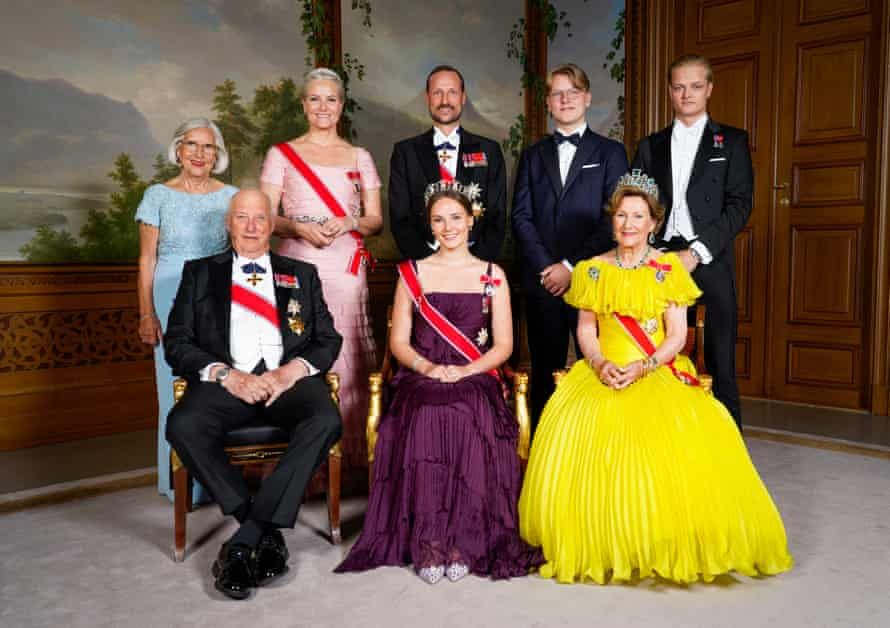
News of his death prompted an immediate national mourning period, with Norwegian flags lowered to half-mast while church bells rang across the country at midday.
Large crowds gathered outside the royal palace in Oslo, laying flowers and paying tribute to a monarch who had served as Norway’s ceremonial head of state since 1991.
Haakon, 53, formally informed government ministers of his father’s death during an extraordinary council of state held on Friday morning.
Haakon VIII Begins His Reign
Following established succession procedures, Harald’s son chose the name Haakon VIII and announced his personal royal motto as “Everything for Norway”.
The new king is expected to swear an oath of accession before parliament within the next few days, formally beginning a new chapter for the Norwegian monarchy.
Norway abolished coronation ceremonies more than a century ago, although Haakon could decide to mark his accession through a traditional consecration ceremony.
The transition comes during a challenging period for the Norway royal family, following several controversies involving members of the household.
Despite those difficulties, King Harald V was widely regarded as a stabilising presence whose public role helped maintain confidence in the monarchy during turbulent periods.
King Harald V Leaves Lasting Legacy
Norwegian Prime Minister Jonas Gahr Støre described the monarch’s death as a deeply painful moment for the country, while praising his decades of dedicated public service.
“A whole nation is in mourning, and the people of Norway are left with a deep sense of gratitude for a long life in the service of Norway,” Støre said.
The prime minister also highlighted Harald’s close relationship with ordinary Norwegians, saying: “Harald V demonstrated an unwavering faith in the Norwegian people.”

“He helped us to see the best in ourselves, and in one another … King Harald loved Norway. And Norway loved its king,” Støre added.
The monarch’s death also triggered condolences from royal families and political leaders across Europe, reflecting his longstanding relationships throughout the continent.
Spain’s royal family praised Harald’s “responsibility, dignity, humility and tireless dedication”, while Denmark’s King Frederik and Queen Mary described him as “loved like few others”.
Sweden’s King Carl XVI Gustaf described Harald as a close friend to him, his family and Sweden, while wishing his successor “success and good fortune”.
European Leaders Pay Tribute
Belgium’s royal family remembered Harald for his “humour, humanity and sincerity”, while Britain’s King Charles mourned his “dear cousin”.
Charles described Harald as a “towering figure” who guided Norway with “warmth and humility”, highlighting the respect he commanded among European monarchies.
European Commission President Ursula von der Leyen said Harald “brought Norwegians together”, while German Chancellor Friedrich Merz said Norway had “lost a great figure who stood for prudence and unity”.
French President Emmanuel Macron also expressed “deep sadness” following the announcement from Oslo.
Monarch Faced Years Of Health Problems
King Harald dies after years of health challenges, including treatment for haemolytic anaemia, a condition associated with the unusually rapid destruction of red blood cells.
The late monarch underwent bladder cancer surgery in 2003 and received a pacemaker in 2024, while numerous other health problems required periods of hospital treatment.
Despite those difficulties, Harald repeatedly ruled out abdication, arguing that he had made a lifelong commitment through an oath before Norway’s parliament.
He was widely viewed as an important moderniser who reshaped aspects of the royal institution, including the administration of the crown estates and the organisation of the royal court.
Harald also helped broaden perceptions of the monarchy through his personal choices, most notably his marriage to Sonja, a commoner, in 1968.
Royal Family Faces New Challenges
The death of King Harald comes as the Norway royal family confronts difficult questions over its public image and future.
Read also: Trump’s Iran war becomes six-month quagmire as death toll, costs soar
Crown Princess Mette-Marit, wife of Haakon VIII, has faced intense scrutiny over her previous association with Jeffrey Epstein, following the publication of documents concerning their communications.
Norwegian authorities and the public have closely examined the revelations, while Mette-Marit subsequently issued an apology through the royal household.
She expressed her “deepest regret for my friendship with Jeffrey Epstein” and apologised for “the situation that I have put the royal family in, especially the king and queen”.
Her son, Marius Borg Høiby, has separately faced serious legal problems after receiving a four-year prison sentence in June following convictions involving rape and other offences.
He has appealed the sentence, but the controversy has added further pressure to the Norwegian royal household.
Support For Monarchy Declines
The combined controversies have affected public confidence in the institution. One February poll found support for the Norwegian monarchy had fallen to 54%, compared with 72% in 2024.
Several surveys also suggested that almost half of Norwegians questioned whether Mette-Marit should eventually become queen.
Nevertheless, Harald’s personal popularity remained substantially stronger, with many citizens regarding him as an approachable monarch who represented national unity rather than political division.
His speeches during moments of national tragedy became central to that reputation, particularly his response after far-right extremist Anders Behring Breivik killed 77 people in attacks in 2011.
Harald told Norwegians that “freedom is stronger than fear”, while expressing sympathy for victims and their families as both king and a father, grandfather and spouse.
Harald’s Message Of Tolerance Endures
In another widely praised speech in 2016, Harald championed diversity, tolerance and LGBTQ+ rights, emphasising that modern Norway belonged to people from different backgrounds and beliefs.
He said Norwegians could believe “in God, in Allah and in nothing”, while embracing “girls who love girls, boys who love boys and girls and boys who love each other”.
Those remarks strengthened his reputation as a monarch willing to reflect Norway’s changing society while preserving the institution’s traditional role.
Harald succeeded his father, Olav V, at 54 after studying at Oxford and representing Norway in sailing at the Tokyo, Mexico City and Munich Olympics.
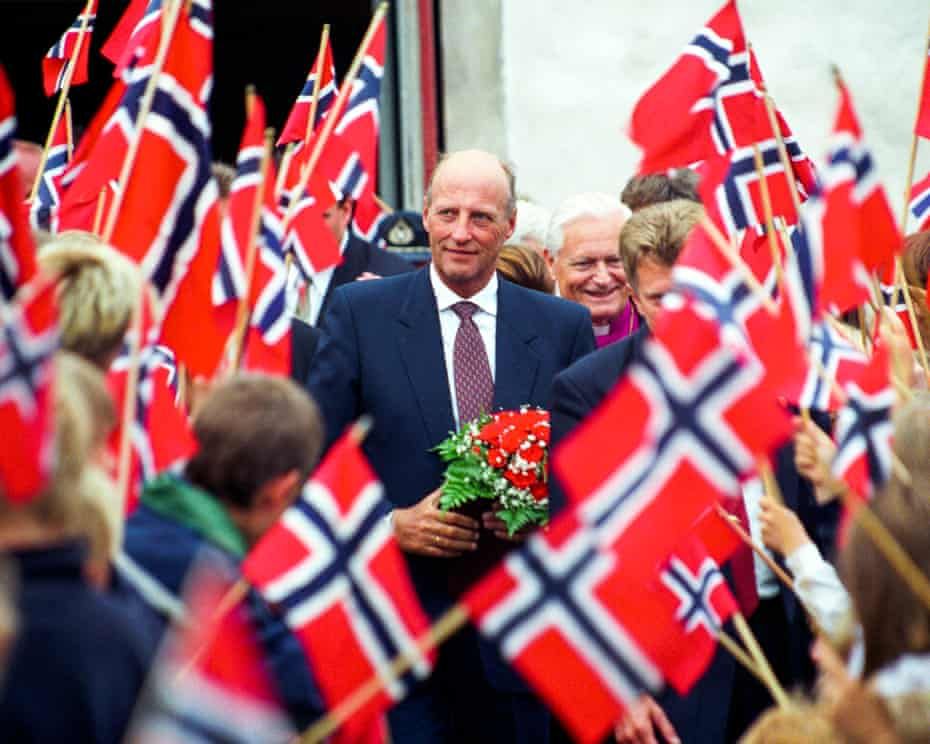
His unassuming lifestyle and commitment to national unity helped make him one of the most recognisable figures in modern Norway.
As King Harald dies, attention now turns to Haakon VIII, who inherits both his father’s legacy and the considerable challenges facing the Norwegian monarchy.
The new king will have to balance continuity with change while navigating renewed scrutiny surrounding his family and preserving public confidence in an institution his father served for decades.
For now, Norway remains in mourning, remembering King Harald V for his humility, national service, tolerance and enduring belief in the people he represented.
Read more: Ireport247news
About The Author


