


Six months into Trump’s Iran war, the conflict has evolved into a costly and increasingly complicated crisis, with thousands dead, energy prices climbing and Washington facing growing pressure to find a way out.
The war began after a joint United States-Israeli operation killed Iran’s Supreme Leader Ayatollah Ali Khamenei on February 28. Tehran responded by moving to blockade the Strait of Hormuz, a crucial global oil route.
At the time, Donald Trump appeared confident about the consequences of the military campaign. Speaking to a reporter from the New York Post shortly after the first attacks, Trump said: “I have a plan for everything, OK?” He added: “You’ll be very happy.”
Six months later, however, the Trump Iran conflict remains unresolved. Both sides continue exchanging strikes, while shipping through Hormuz has fallen dramatically and oil prices remain substantially higher than before the war.
Iran War Death Toll Continues To Rise
The human cost has become one of the most devastating consequences of the conflict. More than 8,000 people across the Middle East have reportedly been killed since February 28, based on an aggregation of local casualty figures.
Iranian authorities reported that at least 3,468 Iranians had died by mid-April. The US-based Human Rights Activists News Agency later estimated the Iranian death toll at 3,636, including 1,701 civilians.
Read also:Nepal flood disaster: Death toll hits 469 as lake threat halts rescues
The United States has also suffered military casualties. Pentagon figures cited in the report showed 14 American service members killed and 417 injured in connection with Operation Epic Fury.
Four additional US personnel were reportedly killed during overseas operations after July 7, while 341 were injured, bringing the combined figures to 18 deaths and 758 wounded.
Civilians have also been caught in the fighting. The US military faced accusations over the killing of a young family during renewed strikes on Iran’s Qeshm Island in July.
Regional Casualties And Humanitarian Impact
The violence has extended beyond Iran and the United States. An Indian sailor was killed and eight others injured after two oil tankers were struck by cruise missiles in the Strait of Hormuz.
Three other sailors were reportedly killed during US strikes in June, while more than 150 deaths have been recorded across the wider region in connection with the conflict.
The continuing casualties demonstrate how the Iran war death toll has spread beyond the immediate battlefield, affecting civilians, military personnel and international commercial shipping.
Strait Of Hormuz Crisis Hits Global Economy
The Strait of Hormuz crisis has become one of the conflict’s most significant economic consequences. Iran’s control over the strategic waterway has disrupted shipping and pushed oil prices higher.
Benchmark crude was reported at about $90 per barrel, representing a 25 per cent increase from approximately $72 before the war began.
American motorists have also felt the impact. Gasoline prices have risen by roughly 30 per cent over the past year, while energy inflation has reportedly cost US consumers $91.6 billion as of August 26.
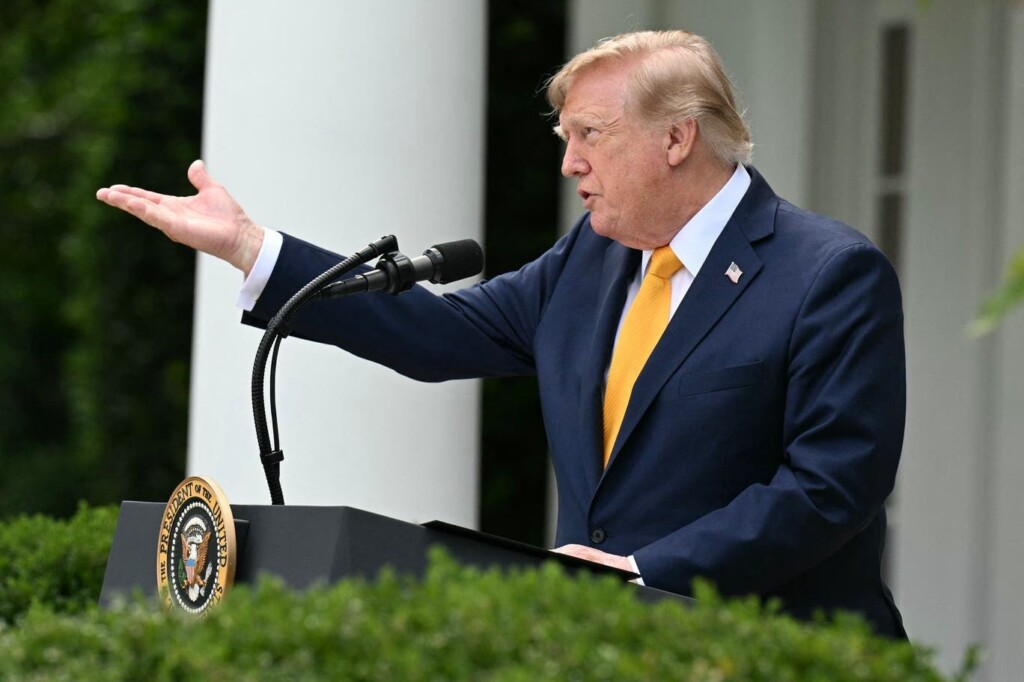
The Watson School of International and Public Affairs estimated that higher gasoline costs had added $381.64 to the average US household’s expenses since the beginning of the war.
The Center for American Progress put the broader cost to the average US household at approximately $1,200 as of August 20.
Britain Also Feels The Economic Pressure
The Iran war economic impact has reached Britain despite the country’s efforts to remain outside the conflict.
The National Institute of Economic and Social Research estimated that the energy shock would reduce UK economic output by 0.3 per cent this year and another 0.2 per cent next year.
Real GDP is expected to be £12.8 billion lower than forecasts made before the conflict, while higher energy prices could leave the average British household £480 worse off this year.
Trump Faces Growing Political Pressure
The domestic political consequences are becoming increasingly difficult for Trump to ignore. A Reuters/Ipsos poll concluded earlier this week found that only 33 per cent of Americans approved of his performance.
Support for US military action against Iran had also dropped to 31 per cent, down from 37 per cent in March.
Former Republican representative Marjorie Taylor Greene warned that Republicans “could get smoked” during November’s midterm elections, partly because of what she described as broken trust surrounding Trump’s promise of “no more foreign wars”.
Dr Lindsay Newman of Chatham House said Trump appeared to have underestimated the complexity of confronting Iran.
“Iran was always going to be a much bigger and more complex proposition … Operation Epic Fury represents tactical success but strategic failing,” she said.
“Trump wanted a quick operation and instead got a Middle East-sized headache … The US administration finds itself six months along no closer to a conflict resolution, even after toggling between tactics.”
She added: “As Trump has gone searching for an offramp, the US strategy now is an economic security play to squeeze Iran. This new approach makes sense. It has been clear for months that Trump was not willing to pay the cost to end the war militarily, and there was little domestic appetite to do so.”
US Influence In The Middle East Under Strain
Andreas Krieg of King’s College London argued that Trump still has a possible route out of the conflict.
“Trump does have a way out, but it requires redefining victory. He needs a deal that allows him to say the United States restored freedom of navigation, forced Iran to accept restrictions on its behaviour and imposed unprecedented economic costs.”
The war has also strained Washington’s relationships with Gulf states and reduced its diplomatic influence across the region.
Krieg said the United States faces a major strategic disadvantage because military assets, intelligence resources and political attention are being consumed “at precisely the moment Washington wants to concentrate resources on Asia”.
He added: “The US has won most of the battles, but it it cannot win the war.”
Newman described the conflict as a test of Trump’s broader foreign-policy approach.
“The conflict in Iran has truly been an application of the Trump Doctrine to use all available means at any time to champion core American interests as defined by the US administration. It is an approach of heavy footsteps and pulling many levers. Six months in, the report card is very mixed.”
With the Trump’s Iran war still unresolved, mounting casualties, economic disruption and political pressure are intensifying calls for a diplomatic settlement before the conflict develops into a prolonged regional confrontation.
About The Author


