Benin Coup Attempt– On 7 December 2025, Benin Republic was thrown into chaos as soldiers announced they had removed President Patrice Talon, dissolved all institutions, and suspended the constitution entirely.
The newly formed Military Committee for Refoundation (CMR) claimed full control over the nation, describing their actions as necessary to restore order and “refound” the state. Lieutenant Colonel Pascal Tigri leads.
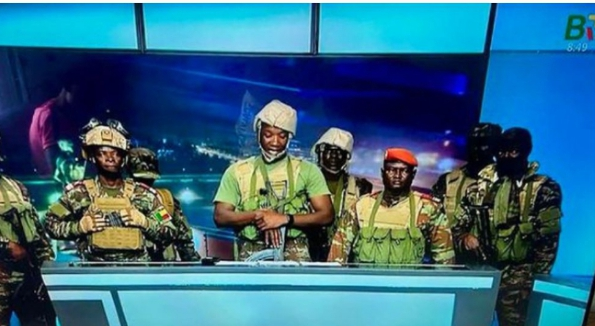
During a televised announcement, soldiers declared that all political parties were banned, national institutions dissolved, and borders temporarily closed to prevent unrest, warning citizens to remain calm and indoors.
President Patrice Talon’s whereabouts remain unknown, fueling fears of arrest, exile, or worse. Loyalists insist the president remains safe and claim efforts are underway to regain full control.
Gunfire was reported near the presidential residence, heightening tension in the capital. Citizens expressed fear as military vehicles patrolled streets and uncertainty over leadership spread through neighborhoods.
The CMR defended their actions, stating, “We have acted to preserve the nation’s integrity and guarantee that the future of Benin will be secure under our guidance,” officials explained.
Loyalist forces issued a counterstatement, asserting, “The regular army is mobilized. The coup is isolated, and constitutional order will be restored as quickly as possible to citizens across the country.”
Analysts note this coup follows growing instability in West Africa, raising fears that Benin could become part of a wider pattern of military takeovers threatening democratic institutions in the region.
Patrice Talon has led Benin since 2016 and was expected to step down after April 2026 elections. Critics argue recent political changes contributed to the military’s sense of urgency.
Previous foiled coup attempts and political tension have already tested Benin’s security, making citizens wary and amplifying concerns about governance, succession, and institutional resilience across the nation.
The military’s actions have suspended civil liberties, paralyzed governance, and raised the risk of internal divisions between loyalist forces and the CMR, with potentially devastating consequences for the public.
Pascal Tigri emphasized, “Our goal is not personal gain. We aim to restructure and refound institutions to guarantee stability, security, and the long-term survival of our nation.”
International observers worry about the potential domino effect, predicting economic disruption, diplomatic isolation, and regional insecurity if the junta consolidates power and suppresses dissent within the country.
Civilian life has been heavily affected, with businesses closing, streets emptying, and daily routines disrupted as uncertainty and fear dominate citizens’ movements and choices in the capital and provinces.
The suspension of institutions threatens the judiciary, legislature, and executive branches, leaving critical decisions, law enforcement, and public services in limbo under military authority.
While some citizens fear the CMR, others cautiously support the change, viewing it as necessary to address corruption, mismanagement, or stagnation under the previous government and political elites.
Border closures and restricted airspace indicate the military is concerned about internal unrest or foreign interference, highlighting the tense and unpredictable environment facing the country in coming weeks.
The coming days will determine whether loyalist forces reclaim authority, the CMR consolidates control, or a prolonged standoff creates deeper political fragmentation across Benin Republic.
Military cohesion remains uncertain; splintered factions or internal dissent could escalate violence, creating widespread insecurity, further destabilizing institutions, and prolonging the political crisis in urban and rural areas.
Experts warn that if the coup succeeds, it could set a dangerous precedent for West Africa, undermining decades of democratic progress and regional stability, while emboldening other militaries in the region.
Public statements from the CMR emphasize national unity, promising security, refounded governance, and the eradication of corruption as key priorities to legitimize their control over civilian and administrative structures.
Citizens are advised to remain vigilant, avoid protests, and follow military directives, reflecting deep anxiety about possible confrontations and the unknown outcome of this coup attempt and government response.
Some loyalists warn, “If the military does not restore constitutional order, citizens’ rights may be compromised, and the path to reconciliation will become longer and more challenging,” officials stressed.
The suspension of political parties limits opposition, removes checks on power, and effectively centralizes authority under the military, heightening concern among those committed to democratic governance and social stability.
Economic consequences are imminent, with potential disruptions to trade, investment, and public services, as both domestic and international actors watch developments in Benin with growing caution and concern.
Experts stress that dialogue between military leaders, loyalist forces, and civic groups will be essential to prevent escalation, restore legitimacy, and rebuild confidence among citizens and regional partners in governance.
Observers note that civil society groups are preparing to call for calm and negotiations, emphasizing that citizen safety and peaceful resolution must remain central to any potential settlement.
Local communities have organized informal communication networks to monitor developments, share verified information, and coordinate assistance for vulnerable populations affected by the military seizure of power.
The CMR promised reforms, including anti-corruption measures and administrative restructuring, claiming that these steps would prevent the perceived failures and abuses of the previous government led by Patrice Talon.
Analysts warn that the success of these reforms depends on stability, legitimacy, and international recognition; otherwise, the military risks isolation and economic sanctions, worsening hardships for citizens.
Regional leaders have expressed concern, calling for calm, restraint, and respect for the rights of Benin citizens, though immediate influence over events remains limited amid military control.
Some citizens expressed cautious optimism, stating, “If the military genuinely seeks reform without personal ambition, it may restore confidence, but the path ahead is uncertain and full of risk.”
Others fear reprisals against government loyalists, political activists, or journalists, highlighting the tension between maintaining order and respecting human rights during a sudden military takeover.
The unfolding crisis raises questions about Benin’s electoral system, succession planning, and the role of the military in politics, potentially reshaping governance structures for years to come.

Patrice Talon’s legacy and the country’s democratic trajectory are now in jeopardy as the world watches Benin’s streets, institutions, and citizens grapple with sudden authoritarian control by the CMR.
The next days will reveal whether the Military Committee for Refoundation (CMR) can enforce its agenda, or whether loyalists, citizens, and institutions reclaim authority to restore democracy and stability.
Unquestionably, this coup represents a historic disruption of Benin’s political trajectory, testing the resilience of its democratic foundations and highlighting the fragile balance between military and civilian power.
The outcome will influence not only Benin’s future but also regional perceptions of governance, military influence, and the stability of West African democracies facing similar pressures and political instability.
With citizens anxious, streets tense, and military vehicles patrolling, the nation stands in limbo, awaiting resolution, while the world watches the unfolding drama in Benin with growing concern and speculation.
Benin Republic now faces a pivotal moment where leadership, governance, and institutional survival are uncertain, leaving citizens, neighboring nations, and international observers closely monitoring developments.
The CMR claims its mandate is temporary, promising to organize new elections, restore civil liberties, and rebuild trust, yet skepticism remains widespread among citizens fearing authoritarian entrenchment.
Tensions remain high, with loyalist units reportedly regrouping outside the capital, signaling a possible confrontation that could determine whether the military retains power or constitutional order is reinstated.
The next weeks will be decisive, as both military and civilian forces strategize, citizens watch anxiously, and international actors prepare responses to a rapidly evolving political crisis in Benin.
Ultimately, the Military Committee for Refoundation (CMR) must balance governance, legitimacy, and reform while avoiding civil unrest, international isolation, and potential escalation that could devastate Benin Republic further.
Benin coup attempt – President Talon safe, army regains control
Benin’s political stability was tested over the weekend as a faction of soldiers attempted to seize power, claiming they had ousted President Patrice Talon. According to official statements, President Talon remains safe, and the regular army is steadily regaining control across the nation.
“The city and the country are completely secure,” the presidency told AFP, stressing that the rebellious soldiers only controlled a television station temporarily. Authorities assured the public that normal governance and security measures are being restored without any disruption to civil life.
Observers noted that the attempted coup highlights underlying tensions within the military, though it appears to have been a limited, isolated action. International reactions were swift, with regional partners calling for calm and the maintenance of constitutional order in Benin.
Residents in the capital reported heightened military presence in strategic locations, with checkpoints and patrols ensuring security. The government emphasized that there was no widespread threat to civilians and that the situation was under control.
Political analysts suggest the incident may prompt a review of military oversight and internal security protocols. They argue that while the coup attempt was contained quickly, it exposes vulnerabilities that could be exploited if left unaddressed.
International agencies monitoring West African stability praised the quick response of Benin’s army and government. Diplomatic communications indicate that neighboring nations are closely observing the situation, ready to support efforts toward restoring full political normalcy.
Despite initial panic and speculation, there have been no reports of significant casualties. Citizens are being encouraged to continue their daily routines while remaining vigilant. The presidency continues to engage with military leadership to prevent any resurgence of unrest.
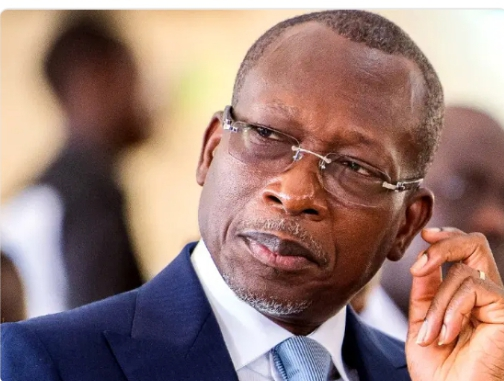
President Talon, who has been in office since 2016, has overseen economic reforms and increased foreign investment. Political commentators believe that such abrupt military actions, although rare, underline the importance of continued dialogue between government authorities and the armed forces.
This episode adds to the narrative of political fragility in some West African states, where occasional power struggles emerge despite relatively stable democratic structures. It underscores the need for robust institutions that can withstand such shocks without escalating into prolonged crises.
While the attempted coup in Benin captured global attention, the swift containment and reassurances from the presidency signal resilience. Both domestic and international stakeholders are now focused on ensuring political stability, the security of the nation’s leadership, and the uninterrupted functioning of government operations.
About The Author