A shocking incident unfolded when a bear attacks man in public toilet in Gunma prefecture, north of Tokyo, underscoring Japan’s growing struggle with wildlife entering urban spaces.
The 69-year-old security guard noticed a bear, roughly 1–1.5 metres long, peering inside the toilet just as he was about to leave early Friday morning.
He fell backward and fought the bear off by kicking at it until the animal finally fled. He sustained minor leg injuries but survived the encounter.
This incident comes amid a Japan bear attack surge, with authorities reporting 197 attacks since April and 13 deaths so far, surpassing previous records for human-bear conflicts.
Many of the attacks occurred in northern prefectures such as Akita, Iwate, and Fukushima, illustrating how bears are increasingly venturing into populated areas in search of food.
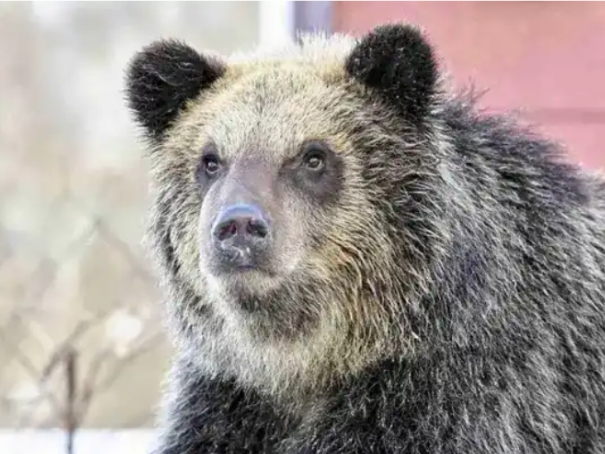
Experts attribute the surge to poor acorn and beechnut harvests in bears’ natural habitats, forcing them to venture closer to human settlements and urban infrastructure.
In response, the government has deployed self-defence forces bear control units to assist local hunters with trapping and, when necessary, culling problem bears in affected regions.
Armed police officers have also received permission to shoot threatening bears amid a shortage of licensed hunters capable of safely handling the animals.
Public awareness campaigns are underway, but authorities recently faced setbacks when AI-generated bear images Japan were shared on social media, causing unnecessary panic among residents.
The images, posted by the Onagawa municipal government, depicted a massive bear on a nighttime road but were later confirmed as fake and promptly removed.
“We caused anxiety and inconvenience to residents,” said a local official, acknowledging that AI-generated bear images Japan may have worsened public perception of the threat.
The Gunma prefecture toilet attack occurred near a railway station that had already closed for the night, showing that bears are undeterred by human activity or infrastructure.
Authorities urge residents to report sightings immediately and to avoid approaching bears, highlighting the importance of cooperation between citizens and self-defence forces bear control teams.
Security personnel and locals are encouraged to carry deterrents such as whistles, sprays, or improvised noise-making devices to reduce risk during sudden encounters in populated areas.
Rapid urban expansion into traditional bear habitats also contributes to conflicts, forcing humans and wildlife into dangerous proximity, with unpredictable and sometimes deadly results.
Japan’s previous worst year recorded 219 attacks, but experts predict that 2025 figures will surpass this, confirming the severity of the ongoing Japan bear attack surge.
Authorities continue monitoring vulnerable regions, posting warning signs, and coordinating with hunters to prevent bears from entering public toilets, train stations, and residential neighborhoods.
AI-generated bear images Japan, while created for awareness, highlight the risks of misinformation and underscore the importance of verified reporting to prevent unnecessary fear.
Environmental groups stress that while public safety is crucial, bears remain an important ecological species, and conservation efforts must balance human protection with wildlife preservation.
Residents are advised to secure garbage, avoid leaving food outside, and maintain a safe distance from bears, reinforcing preventive measures in addition to government intervention.
The 69-year-old security guard’s quick thinking demonstrates how vigilance and immediate action can prevent fatalities, even when a bear attacks man in public toilet unexpectedly.
Officials emphasize better coordination between municipalities, hunters, and self-defence forces to respond effectively, especially in northern prefectures where bears are increasingly active.
Authorities warn that overly aggressive culling can disrupt ecosystems, while inadequate measures may endanger human life during the ongoing surge in bear attacks in populated areas.
Residents express growing concern for safety in public spaces, particularly at night, prompting many to carry mobile devices and alert systems to summon authorities if a bear appears.
Community meetings now regularly include demonstrations on fending off bears safely, educating residents on how to respond when a bear attacks in populated areas.
Cultural perspectives in Japan also influence wildlife management, as bears are traditionally respected but feared, requiring officials to balance conservation with practical safety measures.
Climate change may exacerbate natural food shortages for bears, potentially intensifying the Japan bear attack surge and increasing human-wildlife encounters across northern prefectures.
Municipalities are encouraged to review urban planning, waste management, and emergency protocols to ensure self-defence forces bear control units can act quickly when bears enter human spaces.
The Gunma incident illustrates the vulnerability of public infrastructure, including toilets and transport hubs, to sudden wildlife intrusions, necessitating better surveillance and emergency preparedness.
Responsible media reporting is vital, as sensationalized coverage of bear attacks may spread panic, especially after incidents involving AI-generated bear images Japan.
Residents in northern Japan are learning to coexist cautiously with bears, understanding that any encounter can become life-threatening and requires immediate, decisive action to avoid injuries.
The government encourages local participation in preventive programs, including reporting sightings, joining watch groups, and following instructions from self-defence forces bear control teams.
Experts emphasize that awareness, preparation, and rapid response are the most effective strategies for reducing casualties, even as the 2025 Japan bear attack surge continues.
Urban encroachment, food scarcity, and AI misinformation have created an unusual and tense environment, with humans and wildlife increasingly coming into conflict in northern Japan.
Public toilet incidents like the one in Gunma remind residents that bears can appear unexpectedly, underscoring the need for vigilance and quick, strategic responses in populated areas.
Authorities are evaluating attack data to identify hot spots and allocate self-defence forces bear control resources efficiently, aiming to protect both humans and wildlife.
The Gunma incident shows that preparedness and quick thinking can save lives, as the security guard’s efforts prevented a potentially fatal outcome during an unprovoked encounter.
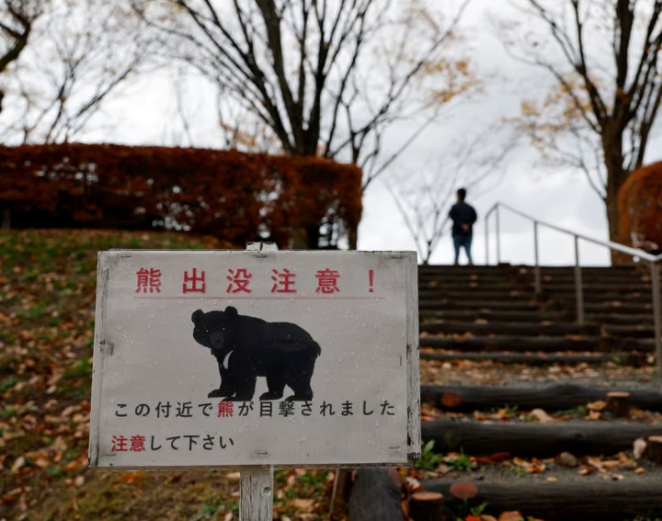
Officials continue balancing wildlife management with public safety, highlighting the importance of education, surveillance, and emergency response in mitigating the risks of bear attacks.
Residents remain on high alert, hoping that government measures, self-defence forces bear control efforts, and community vigilance will prevent further injuries or deaths this season.
About The Author