An Austrian climber faces manslaughter charges after his girlfriend froze to death near the summit of the Großglockner, Austria’s tallest mountain.
The 33-year-old woman, identified as Kerstin G, died of hypothermia on 19 January 2025 after a 17-hour climb with her boyfriend, Thomas P, 36, who descended the mountain to fetch help.
Prosecutors allege gross negligence, citing Thomas P’s experience and decisions as factors in her death.
The tragic case has reignited debate over responsibility in Alpine climbing. Thomas P is accused of failing to ensure his partner’s safety, highlighting the risks associated with high-altitude expeditions. If convicted, he could face up to three years in prison.
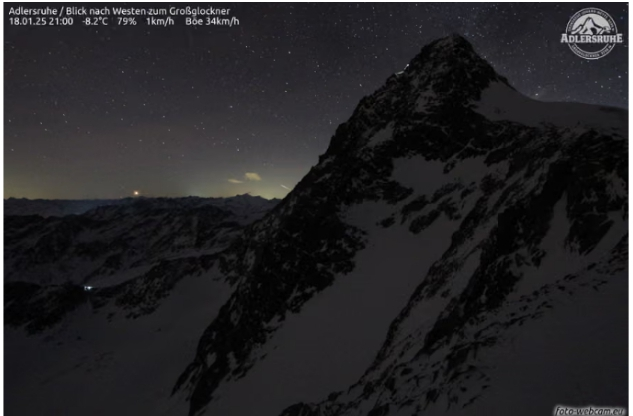
The couple began their climb on 18 January, two hours later than recommended.
Conditions deteriorated quickly, with temperatures dropping to nearly -9°C and wind chill reaching -20°C, combined with gusts of up to 45 mph. Prosecutors argue these conditions should have prompted Thomas P to turn back earlier or seek assistance sooner.
Webcam footage captured the pair climbing at 9pm that evening. By 2am, Thomas P left Kerstin G exhausted, hypothermic, and disoriented approximately 50 metres below the summit cross of the Großglockner, according to senior public prosecutor Hansjörg Mayr. Thomas P maintains he did what he could, calling her death “a tragic accident.”
The prosecution cites the legal concept of the “tour guide acting as a courtesy,” which assigns responsibility to the more experienced climber to make critical safety decisions.
Prosecutors list nine major errors, including ignoring the challenging weather, advancing despite Kerstin G’s lack of experience with long Alpine tours, and failing to ensure she had appropriate equipment, including adequate boots for snow-covered terrain.
Thomas P’s lawyer, Kurt Jelinek, disputes the charges, arguing that both climbers were experienced and well-prepared, with relevant Alpine training.
“They were in top physical condition and organized the tour together,” Jelinek told the court. He maintains that the couple’s shared experience should mitigate any claims of gross negligence.
The Großglockner mountain attracts over 7,000 climbers each year, with roughly 200 deaths on record. However, Kerstin G’s death has drawn widespread attention due to the circumstances and the legal questions it raises regarding mountaineering responsibility and ethics.
Prosecutors also contend Thomas P failed to make an emergency call before nightfall or signal a passing rescue helicopter. The absence of emergency bivouac equipment and late departure compounded the danger.
The case examines not only individual accountability but broader issues of mountaineering safety, particularly for mixed-experience climbing pairs.
Kerstin G discovered her passion for mountain climbing during the pandemic, according to her mother, Gertraud G. She described her daughter as strong and competent, criticizing media reports that portrayed her as inexperienced.
“It makes me angry that Kerstin is being portrayed as a stupid little thing,” Gertraud G told the German weekly Die Zeit. “She had mastered far more difficult climbs before and had done them alone and with her boyfriend.”
The trial, set to open in Innsbruck, will scrutinize whether Thomas P’s actions constituted criminal negligence. “Around 2am, the defendant left his girlfriend unprotected and exhausted,” Mayr said, stressing that his legal team believes these errors warrant manslaughter charges.
Mountaineering experts have weighed in, noting that the Alpine climbing risks are often underestimated by even seasoned climbers. “High-altitude expeditions carry inherent dangers, but decisions by the more experienced climber are critical,” says Karl Steiner, a mountaineering safety instructor.
“This case shows how quickly conditions can become life-threatening.”
Both Thomas P and Kerstin G had prior experience in Alpine climbing. Yet the prosecution argues that their combined experience did not justify continuing the ascent under deteriorating weather.
They claim Thomas P ignored signals of exhaustion and hypothermia, which experts say are common precursors to serious injury or death at high altitudes.
The couple had set off without emergency bivouac equipment, a key point in the case. Prosecutors argue this omission, combined with inadequate footwear for Kerstin G, demonstrates negligence.
Jelinek insists they were sufficiently prepared for typical Alpine conditions and that unforeseen factors, such as sudden wind gusts and extreme cold, contributed to the tragedy.
Thomas P’s decision to descend for help rather than remain with Kerstin G is central to the case. Prosecutors argue that leaving her unprotected in extreme conditions amounts to gross negligence.
The defense maintains the move was necessary to summon rescue and maximize the chances of survival.
Kerstin G’s death has also sparked wider conversations about responsibility in recreational sports, particularly when one participant is more experienced.
Austrian media has debated whether similar incidents should carry criminal liability or remain classified as tragic accidents.
Gertraud G has expressed mixed emotions regarding the trial. While she emphasizes her belief that Thomas P is not fully to blame, she also hopes the proceedings will highlight the dangers of mountain climbing and improve safety practices. “It’s important that climbers understand the risks, plan carefully, and respect the mountains,” she said.
Every year, the Großglockner sees climbers of varying skill levels attempt its summit. Weather can change rapidly, and even the most prepared climbers may face sudden danger. This case underscores how quickly circumstances can shift from challenging to deadly in high-altitude environments.
Legal scholars note that the outcome could set a precedent for Alpine climbing cases. If Thomas P is convicted, it may affect how courts assign responsibility in situations where climbers of different experience levels face emergencies.
“This trial could redefine the limits of legal accountability in adventure sports,” says Anna Berger, an Austrian criminal law expert.
The trial also raises questions about media portrayal of victims in mountaineering accidents. Critics argue that sensationalized reporting can misrepresent climbers’ competence and overshadow the complexities of high-altitude expeditions.
Innsbruck court officials will hear detailed testimony from mountaineering experts, rescue teams, and witnesses familiar with the climb. Gertraud G is expected to give evidence regarding her daughter’s experience and physical condition, aiming to provide context that may counter claims of negligence.
Prosecutors maintain that nine clear errors by Thomas P contributed to the fatal outcome. These include late departure, inadequate preparation, ignoring exhaustion signs, lack of emergency communication, inappropriate footwear, and failing to anticipate weather changes.
The defense continues to challenge each allegation, asserting shared responsibility and unforeseeable circumstances.

The broader Alpine climbing community watches closely, as outcomes may influence guidance on paired climbs, risk assessment, and legal responsibility. Safety experts stress that clear communication, preparedness, and cautious decision-making remain critical in minimizing accidents.
Ultimately, the case highlights the tension between personal freedom in adventure sports and legal accountability. Climbers face physical challenges and unpredictable environmental hazards, but courts may increasingly hold more experienced participants responsible for their companions’ welfare.
Read also: Epstein files crimes against humanity may have occurred, say UN experts
The trial of Thomas P promises to be a landmark moment for Alpine climbing law. Beyond its legal implications, it serves as a reminder of the unforgiving nature of high-altitude environments and the human costs of misjudged decisions in extreme conditions.
About The Author