Asian equity markets faced notable pressure on Tuesday as the recent rally sparked by hopes of an end to the prolonged US government shutdown began to lose steam.
Investors across Tokyo, Hong Kong, Sydney, Shanghai, and other major hubs showed signs of caution, even as Wall Street equities had earlier surged on optimism about US economic reopening.
The rally initially gained traction after US lawmakers reached a compromise budget deal following a 40-day government shutdown.
The Senate approved the measure after a group of Democrats joined Republicans in backing the bill, allowing federal departments to resume operations through January.
Market watchers expect the House of Representatives to pass the legislation imminently, sending it to President Donald Trump for approval.
“It appears our long national nightmare is finally ending,” House Speaker Mike Johnson remarked.
US President Trump echoed the sentiment, adding, “We’ll be opening up our country very quickly. The deal is very good.”
Despite these positive developments in the United States, Asian markets struggled to sustain momentum.
Analysts attribute this to lingering uncertainty around global supply chains, trade tensions, and a cautious investor sentiment following a period of rapid gains in tech stocks amid AI-driven optimism.
US Shutdown Rally Impact on Asian Markets
The US shutdown rally initially buoyed Asian equities, reflecting hopes of restored liquidity and renewed investor confidence.
However, the optimism waned as traders digested the realities of delayed official economic data and potential risks to corporate earnings.
The absence of crucial statistics on inflation, jobs, and consumer spending has left central banks and investors without a clear gauge for upcoming monetary policy adjustments.
Tokyo’s Nikkei 225 slipped 0.1 percent to 50,842.93, while Hong Kong’s Hang Seng Index declined 0.1 percent to 26,615.23.
Shanghai’s Composite Index lost 0.4 percent, closing at 4,002.76.
Other key Asian markets, including Sydney, Taipei, Manila, Mumbai, Bangkok, and Wellington, also registered declines, while Seoul managed to retain modest gains.
Stephen Innes of SPI Asset Management observed, “The US had handed off a bright baton: government shutdown resolved, liquidity set to re-enter the bloodstream, and equities roaring on cue. Yet Asia hesitated. Optimism doesn’t always travel well across time zones.”
Market sentiment was further impacted by geopolitical developments, including a Wall Street Journal report indicating that China may limit access to rare earth minerals for firms linked to the US military.
These minerals are crucial for defense, automotive, and electronics sectors.
Despite an agreement between Presidents Trump and Xi Jinping on securing mineral supplies, Beijing’s tighter control has disrupted global supply chains and created investor apprehension.
Corporate News and Earnings Optimism
In corporate developments, Japanese entertainment and technology giant Sony saw a 5.5 percent surge in share price after revising its full-year profit forecasts.
The company attributed the increase to strong sales from its “Demon Slayer” anime franchise and higher expected revenue from PlayStation consoles. Sony also noted that US tariffs had a smaller-than-anticipated impact on its operations.
Financial analysts are closely watching earnings reports across Asia to determine whether corporate profits will continue to support market rallies.
Michael Brown of Pepperstone emphasized that the reopening of the US government could allow investors to refocus on fundamentals, including earnings growth, resilient economic performance, and stable monetary conditions.
“The assumptions underpinning the US shutdown rally will now come under the microscope. Investors must assess whether the optimism driving equity gains is sustainable in the current global context,” Brown noted.
Currency and Commodity Movements
Currency markets in Asia also reflected the cautious mood. The euro fell to $1.1554 from $1.1563, while the pound slipped to $1.3160 from $1.3182. The dollar strengthened against the yen, rising to 154.20 from 154.03.
Global oil markets saw minor declines, with West Texas Intermediate crude falling 0.4 percent to $59.87 per barrel and Brent North Sea crude down 0.4 percent to $63.81.
These movements mirror investor concerns about slowing demand and ongoing geopolitical risks affecting commodity supply chains.
Outlook for Asian Markets
Experts believe that Asian markets could regain momentum if the US government reopening translates into sustained liquidity inflows and if corporate earnings continue to surpass expectations.
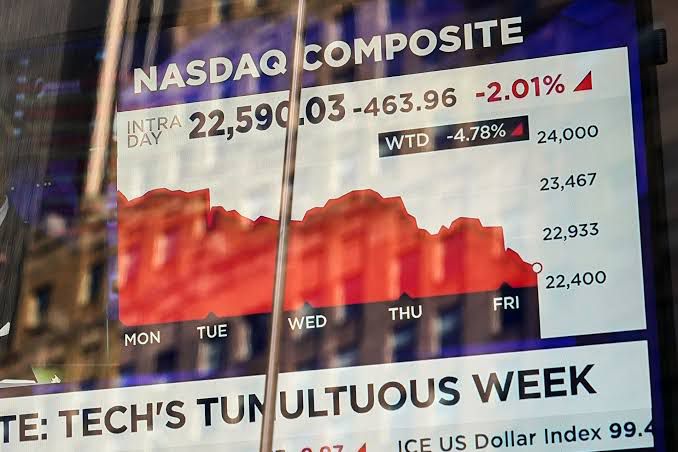
However, risks remain from supply chain disruptions, trade uncertainties, and geopolitical tensions.
Innes summed up the market mood: “Liquidity may return to the US, but Asia’s markets are still calibrating the implications. Investors are cautious, balancing optimism with the realities of global economic pressures.”
As traders monitor developments in both the US and Asia, market participants are advised to track official economic releases, corporate earnings, and geopolitical news closely to navigate the evolving investment landscape.
About The Author