Anger mounts in Hong Kong over apartment fires as residents mourn victims, demand accountability, and confront intensifying pressure from authorities determined to suppress perceived attempts at disruption.
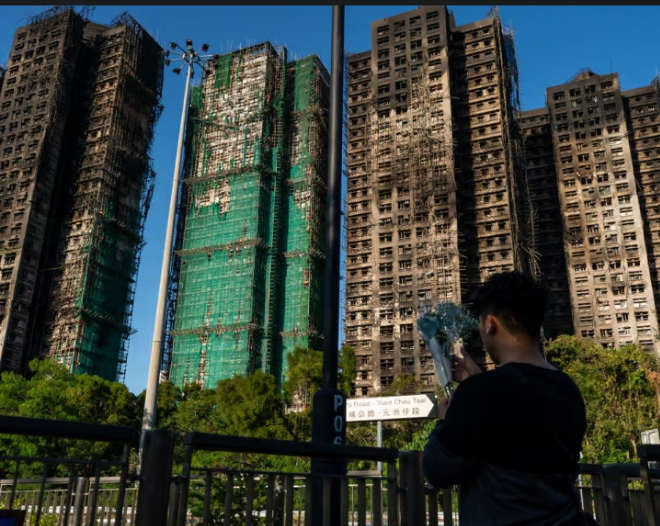
Families gathered outside charred towers, placing flowers beside twisted scaffolding, insisting “answers must come,” as emergency workers completed hazardous sweeps through unstable structures left blackened by intense flames.
Officials confirmed more than 128 deaths, with dozens still missing, intensifying distress across communities already alarmed by allegations of ignored warnings and faulty safety systems unaddressed before disaster struck.
Witnesses described smoke cascading down corridors “like a collapsing curtain,” trapping residents who screamed for help from balconies as firefighters battled violent bursts of flame.
One survivor recounted hearing “alarms that never sounded,” reinforcing the long-standing suspicion that renovation materials, particularly mesh coverings, worsened rapid fire spread across several residential blocks.
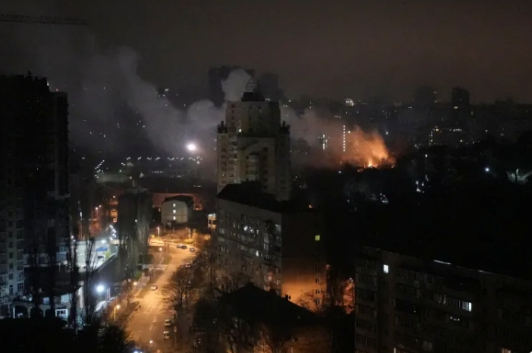
Authorities have opened corruption investigations amid claims contractors used unsafe insulation products, raising renewed scrutiny over construction oversight systems critics say enable long-running negligence and regulatory evasion.
Police detained a university student connected to a petition demanding an independent probe, prompting civil rights concerns as residents urged government not to “criminalise grief or public accountability.”
Another petition, launched overseas by a displaced resident, drew thousands of signatures overnight, with supporters writing messages such as “Hongkongers demand the truth and justice now.”
Local anger heightened after revelations residents had reported fire hazards last year, including fears protective green mesh might ignite quickly, but officials insisted risk levels remained “relatively low.”
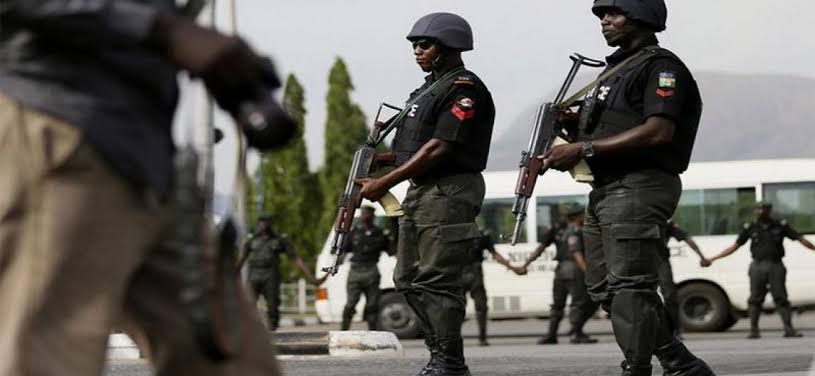
Beijing’s national security offices issued statements warning so-called “anti-China disruptors” against exploiting tragedy, vowing strict punishment under national security provisions covering sedition and public destabilisation.
Analysts described the language as “unmistakably severe,” reflecting continued sensitivity following widespread 2019 protests and authorities’ determination to deter any collective mobilisation around civic grievances.
Four additional keyphrases used in the article include Wang Fuk Court safety failures, public accountability demands, Hong Kong national security cautions, and bamboo scaffolding concerns, each reflecting rising tensions.
Firefighters said bamboo scaffolding concerns were central to understanding how the blaze surged, noting wind-whipped flames spread externally before bursting into multiple units simultaneously.
Emergency crews confirmed rescuing only a handful of pets during late-stage searches, intensifying sorrow for families who lost both relatives and cherished animals during the catastrophic inferno.
Donations poured in from major firms and small neighbourhood groups alike, supplying temporary shelter, medical support, counselling services, and essential supplies for survivors left suddenly homeless overnight.
City leaders pledged full cooperation with independent experts, although critics questioned whether political pressure and national security framing might curb transparency crucial to understanding systemic failures.
Several lawmakers defended government responses, arguing investigations must “proceed carefully amid complex circumstances,” while community organisers countered urgency demands straightforward answers for traumatised families.
Residents expressed frustration that prior complaints about renovation procedures “went into a void,” suggesting bureaucratic indifference contributed to catastrophe now regarded as Hong Kong’s worst fire in decades.
Search teams revealed large sections of the estate remained structurally unstable, requiring specialised equipment to navigate interior zones where dangerous temperatures and debris still impeded recovery efforts.
Images circulating online showed firefighters carrying equipment through debris fields, sparking emotional messages from citizens praising “unimaginable bravery” demonstrated by responders who worked long shifts under extreme danger.
At makeshift memorials, candles flickered beside handwritten notes reading “We remember you,” capturing deep sadness now mingled with rising anger about institutional performance and delayed official responses.
Government agencies said fire alarms malfunctioned due to renovation works, though families questioned why thousands of residents were not alerted through alternative communication channels before flames spread uncontrollably.
Survivors recounted running down darkened stairwells filled with choking smoke, describing desperate moments when visibility vanished entirely and only tactile guidance along walls prevented fatal disorientation.
A retired engineer visiting the site argued authorities must overhaul inspection regimes, stating “this was preventable,” echoing widespread views that negligence rather than misfortune drove devastation.
Security officials remained firm, insisting damage assessments must not be “hijacked by political motives,” calling on residents to “respect stability” while awaiting official investigative conclusions.
Yet public accountability demands continued growing, reflecting collective refusal to accept explanations that omit longstanding infrastructural and regulatory weaknesses blamed for escalating fire vulnerability.
Academics warned that a defensive governmental tone clashes with community needs for candour, potentially aggravating mistrust as citizens observe tightened controls around public expression and civil spaces.
Medical staff treating survivors noted severe smoke inhalation cases required extended hospitalisation, with doctors describing conditions as “unusually intense” due to chemical compounds released from burning insulation layers.
Psychologists supporting displaced families emphasised trauma’s long-term effects, warning emotional recovery will require sustained resources rather than short-term responses typical of previous crises.
Economic analysts forecast near-term disruption as investigative closures affect local commerce, with nearby districts experiencing reduced activity due to safety cordons and public anxiety.
Urban planners urged authorities to re-evaluate fire compartmentation, ventilation structures, and renovation approval processes, saying “modern expectations demand far stronger safeguards than current frameworks provide.”
Amid grief, some residents expressed quiet hope community solidarity may influence future reforms, insisting tragedies reveal vulnerabilities that institutions must address to restore shaken public confidence.
Crowds attending vigils chanted messages urging remembrance and justice, while organisers stressed their gatherings honoured victims without political objectives, contradicting official claims of disruptive intentions.
As weather forecasts predicted rain across the city, volunteers rushed to reinforce coverings over temporary memorials to protect flowers, photographs, and farewell letters displayed in mourning spaces.
International observers expressed sympathy, encouraging transparent inquiries that respect public concern, noting global expectations for accountable urban governance following high-profile mass-casualty disasters.
Parents comforted children frightened by sirens echoing through nearby districts, revealing layers of distress extending beyond physical loss as psychological unease permeates everyday city life.
Beijing’s renewed Hong Kong national security cautions signalled a broader strategy to maintain strict oversight, though community groups warned heavy-handed messaging risks further inflaming emotional public mood.
Legal scholars said charges related to sedition must remain proportionate, expressing concern that residents seeking clarity could face accusations for merely articulating legitimate fears or civic grievances.
Investigators examining Wang Fuk Court safety failures collected samples of melted insulation, metal fragments, and mesh layers suspected of accelerating vertical flame travel between residential floors.
Fire experts commented the blaze’s velocity suggested a “perfect storm” created by wind channels, renovation materials, and structural features, magnifying destruction beyond typical high-rise incident patterns.
Community leaders appealed for patience while emphasising that unanswered questions must not be dismissed, warning unresolved doubt could deepen longstanding tensions within Hong Kong society.
Despite official caution, social workers described a surge in public willingness to speak out, driven by raw grief that intensified determination to understand what went wrong at every stage.
Returning residents described overwhelming scenes inside partially cleared buildings, with melted wiring, collapsed ceilings, and ash-covered belongings that once defined daily routines now unrecognisably destroyed.
Many expressed gratitude for donations but insisted material support cannot replace the urgent need for truth, accountability, and comprehensive assurances safeguarding families against similar future disasters.
The government vowed to provide temporary housing, though critics said available units remain insufficient, leaving vulnerable families enduring unstable living situations compounding post-fire hardship.
Throughout the city, conversations continued returning to one painful reality: a tragedy of this scale demands more than procedural explanations, requiring courageous acknowledgment of failures across institutions.
For now, the phrase Anger mounts in Hong Kong over apartment fires captures a city confronting profound trauma, determined to honour victims while pressing for transparency, justice, and meaningful structural reform.