The Zelenskyy EU meeting follows overnight Russian strikes on Kyiv that damaged energy infrastructure and left large sections of the Ukrainian capital without heating during freezing winter conditions.
Ukrainian officials said the Russian overnight strikes involved waves of drones and missiles targeting critical power facilities across multiple districts of the city.
The sustained attack caused widespread electricity outages, forcing authorities to introduce emergency measures to protect hospitals, transport systems, and other essential public services.
City officials confirmed that hundreds of thousands of residents were affected as temperatures hovered near freezing throughout the night and early morning hours.
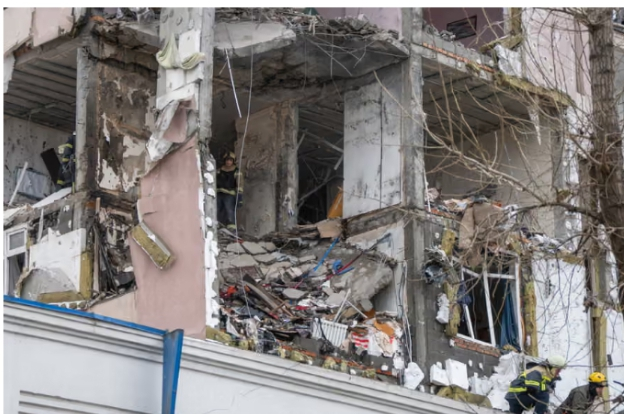
Emergency response teams were deployed across Kyiv to contain fires, clear debris, and restore limited power to priority locations.
Zelenskyy said the timing of the attack underscored the urgency of diplomatic engagement with European leaders while Ukraine continues to defend its civilian population.
The Zelenskyy EU meeting is expected to focus on security guarantees, military assistance, and coordinated responses to repeated strikes on Ukrainian energy infrastructure.
European leaders are examining ways to strengthen Ukraine’s air defence capabilities amid escalating pressure on the country’s power grid.
Repeated Russian overnight strikes have intensified the Kyiv heating crisis, raising humanitarian concerns as winter conditions deepen across the region.
Local authorities opened temporary heating centres to shelter vulnerable residents affected by prolonged power outages.
Zelenskyy described the attacks as deliberate efforts to undermine civilian morale while international diplomacy gains momentum.
He stressed that diplomacy must be supported by concrete actions capable of deterring further attacks on civilian infrastructure.
EU Ukraine diplomacy has increasingly prioritised long-term security arrangements alongside immediate humanitarian assistance.
Officials familiar with the talks said discussions would include reconstruction planning and financial support for rebuilding damaged infrastructure.
Ukraine has repeatedly called for binding international security guarantees under any future peace agreement.
Zelenskyy argued that previous ceasefire arrangements failed due to the absence of enforceable commitments and accountability mechanisms.
Ukraine peace talks under discussion reportedly include phased ceasefire proposals and international monitoring frameworks.
European leaders are assessing how to balance diplomatic engagement with sustained military and economic pressure.
Territorial issues remain among the most sensitive elements of the negotiations.
Ukrainian officials maintain that sovereignty and internationally recognised borders are non-negotiable principles.
Zelenskyy has said any peace framework must reflect the will of the Ukrainian people.
He indicated that public consultation could follow a sustained ceasefire period if negotiations advance meaningfully.
Ukraine’s foreign ministry condemned the Russian overnight strikes as incompatible with genuine peace efforts.
Officials said the attacks demonstrated continued resistance to diplomacy rather than military necessity.
Air defence units intercepted multiple aerial threats, though falling debris caused damage to residential buildings.
Emergency services reported fires and structural damage in several neighbourhoods.
Authorities confirmed casualties, while noting that rapid emergency responses prevented higher loss of life.
The strikes triggered heightened security alerts in neighbouring countries monitoring regional airspace.
Temporary disruptions were reported as precautionary measures during the overnight incident.
The Zelenskyy EU meeting follows weeks of intensified diplomatic activity involving multiple international partners.
Recent engagements have aimed to align allied positions while testing Moscow’s willingness to negotiate.
Analysts say the renewed focus on diplomacy reflects growing concern over the war’s humanitarian and economic impact.
Energy infrastructure protection has emerged as a central issue in Ukraine peace talks.
Repeated strikes have forced Ukraine to divert resources toward emergency repairs rather than long-term development.
European officials acknowledge that civilian resilience is essential to sustaining diplomatic momentum.
Zelenskyy has framed infrastructure defence as both a humanitarian necessity and a strategic priority.
He warned that continued attacks risk undermining confidence in any future agreements.
EU leaders are expected to reaffirm their commitment to Ukraine’s sovereignty during the meeting.
Statements from European officials suggest a continued emphasis on unity and coordinated action.
The meeting is also likely to explore enforcement mechanisms under potential ceasefire arrangements.
Ukraine has pushed for international oversight to ensure compliance and accountability.
Zelenskyy stressed that peace must be durable and credible, not temporary or symbolic.
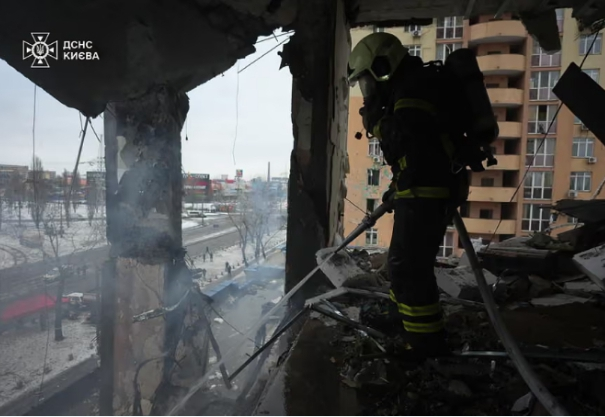
Residents across Kyiv have adapted to recurring outages through community support networks.
Despite ongoing hardship, essential public services continue operating under contingency measures.
Zelenskyy praised civilian resilience while acknowledging the strain placed on daily life.
As diplomacy advances, Ukraine continues to balance negotiation with defence preparedness.
Read more here: Russia launches overnight missile strikes across Ukraine
The outcome of the Zelenskyy EU meeting may shape the next phase of Ukraine peace talks.
For Kyiv, sustained international unity remains central to achieving lasting stability.
About The Author