The global push to curb preventable diseases has taken a sharper fiscal turn, as the World Health Organization (WHO) urges Nigeria and other countries to significantly raise taxes on tobacco, alcohol and sugary drinks.
Public health authorities say the move is not only about discouraging unhealthy consumption but also about mobilising sustainable domestic revenue for overstretched health systems.
Hike Tobacco, Alcohol, Sugary Drink Taxes By 50%, WHO Urges Nigeria, Others
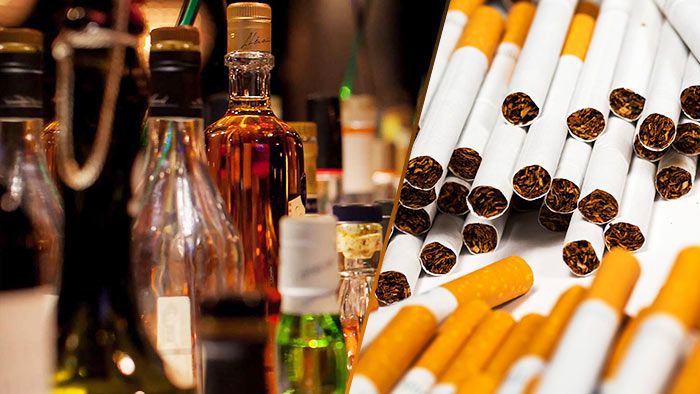
Hike Tobacco, Alcohol, Sugary Drink Taxes By 50%, WHO Urges Nigeria, Others — that is the central recommendation under the global health body’s newly intensified fiscal strategy aimed at reducing non-communicable diseases (NCDs) and strengthening public financing.
Under its “3 by 35” initiative launched in July 2025, WHO is calling on governments to increase the real retail prices of tobacco, alcohol and sugar-sweetened beverages (SSBs) by at least 50 per cent by 2035. The organisation estimates that such reforms could generate up to $1 trillion in additional public revenue globally over the next decade.
For Nigeria, where NCDs account for roughly 27 per cent of all deaths, the recommendation carries both economic and epidemiological implications.
Health taxes as a dual-purpose tool
Hike Tobacco, Alcohol, Sugary Drink Taxes By 50%, WHO Urges Nigeria, Others — the message underscores a long-standing consensus among public health economists: price signals influence behaviour.
WHO maintains that well-designed excise taxes reduce demand for harmful products while providing governments with fiscal space to invest in healthcare, education and social protection.
Assistant Director-General for Health Promotion and Disease Prevention at WHO, Dr. Jeremy Farrar, noted during a press briefing that evidence linking higher tobacco taxes to lower consumption is “extremely strong.”
According to him, similar consumption patterns are expected for alcohol and sugary drinks when prices rise substantially.
Between 2012 and 2022, nearly 140 countries increased tobacco taxes enough to push real prices up by more than 50 per cent on average. WHO cites this as proof that large-scale excise reform is both politically and administratively feasible.
Nigeria’s growing NCD burden
In the Nigerian context, this recommendation intersects with mounting concerns over cardiovascular disease, diabetes, chronic respiratory illnesses and certain cancers.
Key risk factors include tobacco use, harmful alcohol consumption and diets high in sugar and salt. These behavioural drivers are linked to urbanisation, shifting food systems and increased availability of processed beverages.
Health economists argue that preventive strategies, including excise taxes, are more cost-effective in the long run than treatment-based models. Rising NCD prevalence already places pressure on households through out-of-pocket medical expenses and lost productivity.
WHO also frames the policy within the Sustainable Development Goals (SDGs), particularly Target 3.4, which seeks to reduce premature mortality from NCDs by one-third.
The state of Nigeria’s SSB tax regime
Hike Tobacco, Alcohol, Sugary Drink Taxes By 50%, WHO Urges Nigeria, Others — yet Nigeria’s current tax structure on sugar-sweetened beverages remains relatively modest.
The Finance Act 2021 introduced an excise duty of N10 per litre on non-alcoholic, carbonated and sweetened beverages, effective January 1, 2022. Public health advocates argue that this rate is insufficient to significantly alter consumer behaviour or generate substantial revenue.
Civil society organisation Corporate Accountability and Public Participation Africa (CAPPA) has repeatedly called for a higher rate, recommending at least N130 per litre. In a 2025 advocacy statement, the group estimated that Nigeria could be forgoing more than N200 billion annually in unrealised revenue due to the current low rate.
Critics of the existing structure also note that inflation and income growth can erode the real impact of excise taxes over time, effectively making harmful products more affordable if rates are not periodically adjusted.
Inflation and affordability concerns
Hike Tobacco, Alcohol, Sugary Drink Taxes By 50%, WHO Urges Nigeria, Others — WHO warns that in many countries, alcohol and sugary drinks are becoming more affordable because tax rates have failed to keep pace with inflation.
From a fiscal policy standpoint, maintaining the “real value” of health taxes requires indexation mechanisms that automatically adjust rates to inflation or income growth. Without such adjustments, the public health objective weakens.
Policy analysts in Nigeria suggest that reform would require balancing revenue goals with concerns about industry competitiveness, illicit trade and employment within beverage and tobacco supply chains.
Revenue potential and policy trade-offs
Hike Tobacco, Alcohol, Sugary Drink Taxes By 50%, WHO Urges Nigeria, Others — the financial argument is substantial. WHO projects that coordinated global implementation could unlock $1 trillion in public revenue over 10 years.
For Nigeria, where fiscal deficits and debt servicing obligations remain significant, health taxes could provide an alternative revenue stream less distortionary than broad-based taxation.
However, industry stakeholders often argue that steep tax hikes may lead to smuggling, informal production or job losses. Public health experts counter that robust enforcement mechanisms and transparent earmarking of revenue can mitigate these risks.
Aligning fiscal reform with universal health coverage
Hike Tobacco, Alcohol, Sugary Drink Taxes By 50%, WHO Urges Nigeria, Others — WHO positions the proposal as integral to strengthening domestic financing for Universal Health Coverage (UHC).
Revenue generated from excise increases could be channelled into primary healthcare infrastructure, preventive campaigns and insurance coverage expansion. Economists stress that earmarking portions of health tax revenue for the health sector can improve public acceptance of the policy.
As Nigeria continues to grapple with rising healthcare costs and persistent funding gaps, the WHO’s recommendation presents policymakers with a strategic choice: whether to recalibrate excise policy to simultaneously address public health outcomes and fiscal sustainability.
The broader debate now centres on implementation — including rate calibration, phased timelines, stakeholder consultation and enforcement capacity.
What is clear is that the call to Hike Tobacco, Alcohol, Sugary Drink Taxes By 50%, WHO Urges Nigeria, Others has intensified global momentum toward health-focused fiscal reform. For Nigeria, the decision could shape both its public health trajectory and revenue architecture over the next decade.
About The Author