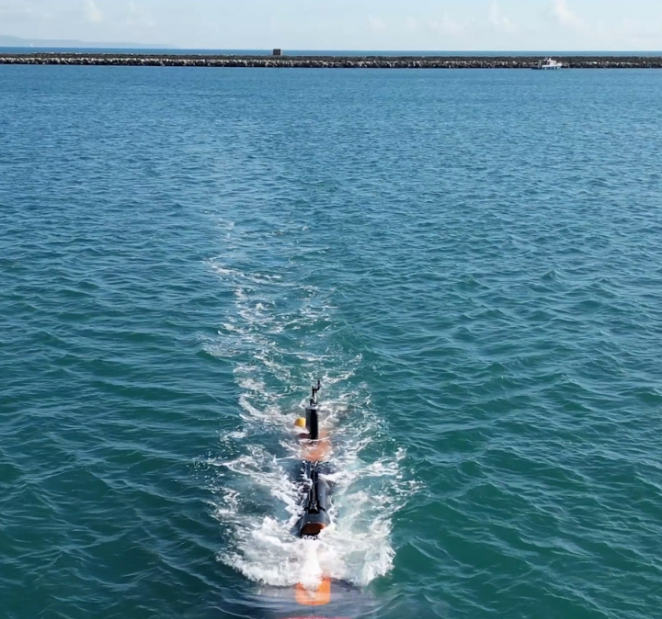
US lawmakers from both parties are intensifying calls for the release of a video capturing a controversial double-tap strike on a suspected drug-smuggling vessel in the Caribbean.
The operation, conducted under the Trump administration, killed at least 87 people, including two survivors of the initial attack. The footage has become central to a growing debate over the legality and ethics of Washington’s militarized anti-drug campaign in the region.
Bipartisan concerns over the legality of the strike have surged, with Democrats highlighting potential violations of international and domestic law.
“The vessel was clearly incapacitated, and the survivors were unarmed,” said Representative Adam Smith. “The video should be released so the public can see the truth and judge for themselves.”
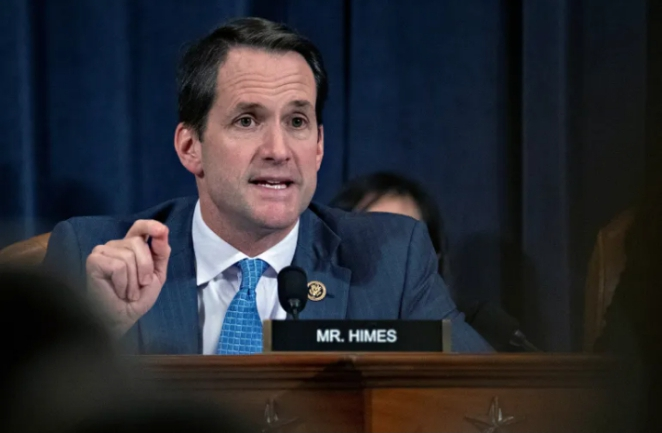
Representative Jim Himes added that Americans need to witness firsthand the military’s actions. “There’s a certain sympathy for targeting drug runners, but the reality of turning the full force of the US military on two men clinging to wreckage is crucial for public judgment,” Himes told CBS News. “Transparency matters more than ever.”
Republicans largely defended the strikes but supported transparency. Senator Tom Cotton described the operation as consistent with other military actions overseas and deferred the decision to release the footage to Defense Secretary Pete Hegseth. Cotton said, “I didn’t find it distressing. These strikes resemble dozens we have seen in the Middle East over the years.”
Senator John Curtis also emphasized that transparency allows Americans to make informed decisions. “The American people should see the facts,” Curtis told CNN. “We cannot rely solely on second-hand accounts; people like to make decisions based on evidence.”
President Trump has indicated he would not oppose releasing the footage, stating last week that there would be “no problem” with the video being made public. Trump’s comments contrast with Hegseth’s more cautious stance, with the defense secretary arguing that officials must make a “responsible” decision regarding the footage’s release.
The double-tap strikes have been controversial since The Washington Post reported that the military killed two survivors clinging to wreckage after Hegseth allegedly directed commanders to leave no one alive.
Hegseth has denied these reports, calling them “fake news” and “fabricated,” insisting that the operation complied with US military protocols and rules of engagement.
Legal experts argue that the operations may violate domestic criminal law and international human rights standards. Tom Dannenbaum, a law of war specialist at Stanford University, told newsmen, “these strikes, outside of armed conflict, qualify as extrajudicial killings under international law. The absence of armed conflict makes them illegal under both domestic and international standards.”
Despite claims that the targeted boats were transporting narcotics, the Trump administration has yet to provide evidence substantiating these allegations.
Critics argue the lack of transparency fuels doubts over the legality and morality of the US military campaign in the Caribbean. Questions remain about how suspected drug traffickers are identified and the chain of command authorizing lethal force.
The debate over the strike comes amid broader scrutiny of the US’s militarized anti-drug efforts. With at least 22 strikes conducted in the Caribbean Sea and Eastern Pacific, public demand for accountability continues to grow. Lawmakers stress that releasing the video is essential for evaluating the legality, ethics, and necessity of such operations.
Some Democrats argue the strike illustrates a disregard for human life in the pursuit of national security goals. “Two men were left to die after being incapacitated, unarmed, and without means of communication,” Smith said. “The American public has a right to know exactly what happened.”
Republicans have countered by emphasizing the broader context of anti-drug operations. Senator Cotton maintained that the Caribbean strikes mirror actions taken against drug traffickers in other regions. “Our military is trained to neutralize threats effectively. These operations are part of a larger fight against international crime networks,” he said.
Observers note that releasing the video could clarify the chain of command and whether protocols were followed. Himes and other lawmakers argue that transparency will allow Congress and the public to assess whether Trump administration directives were legally justified. “We need to see if the actions align with the law and ethical standards,” Himes said.
The Caribbean strike controversy has sparked wider discussion about US military conduct abroad, the role of Congress in oversight, and the limits of executive authority in deploying lethal force against suspected criminals. Legal scholars warn that unresolved questions could have long-term implications for US credibility internationally.
President Trump’s apparent willingness to release the footage, juxtaposed with Hegseth’s cautious stance, underscores the administration’s internal divisions on how to address public scrutiny. The timing of any release could influence perceptions of both US military accountability and political oversight.
The issue also raises broader questions about the use of double-tap strikes, where follow-up attacks target survivors of an initial strike.
Human rights advocates argue that such tactics constitute extrajudicial killings and violate international law. “The principle of distinction is clear: targeting individuals no longer posing a threat is unlawful,” Dannenbaum said.
Bipartisan pressure is mounting for Congress to intervene if the administration fails to act. Lawmakers argue that the public’s right to know about lethal military operations conducted in their name is fundamental to democratic oversight. “We cannot let secrecy be a shield for potential violations,” Himes said.
The Trump administration’s reluctance to release evidence proving that the boats were carrying narcotics undermines the credibility of the operation. Critics argue that without proof, the strikes could be interpreted as arbitrary use of force rather than lawful anti-drug enforcement.
Observers warn that failing to release the footage could damage public confidence and weaken international perceptions of US military accountability. Transparency is viewed as a critical step in reconciling national security objectives with human rights obligations.
With bipartisan pressure mounting, Congress is poised to influence how the administration addresses public demands for transparency. Legal experts, lawmakers, and human rights advocates alike are united in calling for immediate disclosure of the strike footage.
The double-tap strike in the Caribbean, and the ensuing debate over its legality, has become a defining moment for discussions on military ethics, accountability, and the role of oversight in US foreign operations. The coming weeks are expected to be decisive for both policy and public perception.
Key voices in Congress insist that releasing the footage is not just about one operation; it is about setting a precedent for future military actions. “If we fail here, it could embolden future operations with minimal scrutiny,” Himes said. “The public deserves transparency and accountability.”
The controversy also has implications for international law, as human rights organizations monitor US actions abroad. Extrajudicial killings undermine US credibility in advocating for rule of law globally, experts argue. “Our ability to promote human rights internationally is compromised if we ignore violations at home,” Dannenbaum said.
Observers note that public attention is intensifying as more details emerge about the strikes. Lawmakers and experts alike emphasize that the stakes extend beyond partisan politics; the issue strikes at the heart of legal and ethical norms governing US military conduct.
Releasing the video could provide definitive answers about the legality, proportionality, and ethical justification of the strikes. Without it, questions about the Trump administration’s approach to anti-drug operations and lethal force abroad will remain unresolved.
As the debate continues, lawmakers maintain that transparency is not optional. “Citizens deserve unfiltered access to information about how and why lethal force is used,” Smith said. “Only then can the public make informed judgments about their government’s actions.”
The Caribbean boat strike has thus become a flashpoint in discussions about military accountability, human rights, and executive power. Its resolution could set a significant precedent for how the US handles controversial operations beyond its borders in the future.