

US hunter killed by elephants in Gabon has drawn global attention after a 75-year-old American millionaire died during a big-game hunt, renewing debate about safety risks and conservation ethics.
Fatal encounter raises safety concerns in Gabon
Ernie Dosio, a vineyard owner from California, died after being attacked by elephants during a hunting expedition in Gabon, according to reporting by The Guardian.
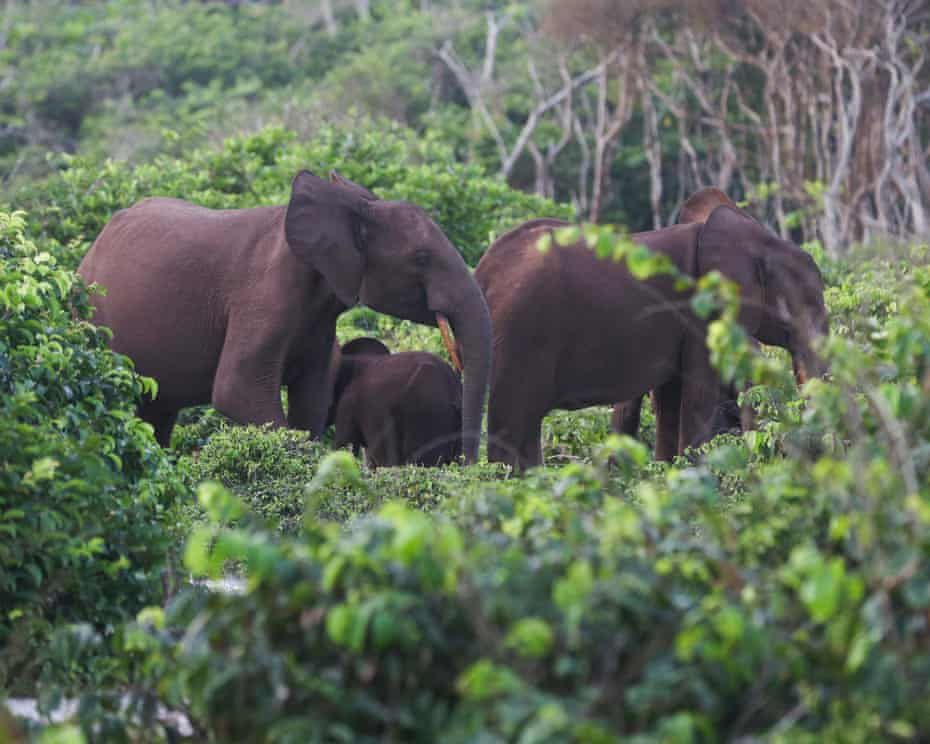
The incident occurred in the Lope-Okanda rainforest, where Dosio and his professional guide unexpectedly came across a group of elephants, including protective females with a calf.
The safari operator confirmed the fatal encounter, noting that the animals were likely startled, a factor experts say often triggers defensive aggression among elephants in dense forest environments.
A source familiar with Dosio’s background said, “Ernie has been hunting since he could hold a rifle,” describing a long history of licensed hunting across Africa and the United States.
The same source added that “all his hunts were strictly licensed and above board,” reflecting how parts of the trophy-hunting industry present their activities as regulated and conservation-linked.
Dosio had reportedly been hunting a yellow-backed duiker when the encounter occurred, showing how even hunts targeting smaller animals can lead to dangerous, unintended interactions with larger wildlife.
Industry debate and conservation pressures
The US hunter killed by elephants in Gabon case has intensified scrutiny of the global trophy-hunting industry, which generates significant revenue but remains controversial among conservationists.
Gabon is home to roughly 95,000 forest elephants, widely regarded as the largest remaining population of the species and a critical stronghold for biodiversity protection efforts.
Wildlife experts say elephants, especially those with calves, are highly defensive and can react aggressively when surprised, particularly in forest terrain where visibility is limited.
While officials have not indicated foul play, the incident has reignited ethical questions about whether hunting contributes meaningfully to conservation or places unnecessary pressure on vulnerable ecosystems.
The safari operator also confirmed that the professional guide accompanying Dosio sustained serious injuries, underscoring the risks involved even for experienced hunters in controlled expeditions.
Authorities are now working to repatriate Dosio’s remains to the United States, highlighting the logistical and diplomatic processes that follow such incidents abroad.
According to Reuters, conservation funding linked to hunting remains a subject of debate, with experts divided over whether it provides sustainable long-term benefits.
Some proponents argue that regulated hunting supports wildlife management and local economies through permit fees and tourism-related income streams.
Critics, however, maintain that killing animals for sport undermines conservation goals, especially when endangered species or fragile ecosystems are involved.
The debate has also intersected with politics in the United States, particularly during the administration of Donald Trump, when policies around importing hunting trophies became highly contested.
A wildlife advisory board created during that period to review import rules was later disbanded following legal challenges, reflecting the divisive nature of trophy-hunting policies.
Industry estimates cited by conservation groups suggest that trophy hunting has been worth tens of millions of dollars annually in parts of Africa, though revenues fluctuate over time.
Environmental advocates increasingly argue for alternatives such as eco-tourism, which focuses on wildlife observation rather than hunting and may offer more sustainable economic benefits.
Read also: US scientists missing or dead investigation triggers FBI probe amid U.S.–Iran nuclear talks and global security fears
The US hunter killed by elephants in Gabon has also renewed focus on safety protocols, including risk assessment and guide training in high-risk wildlife environments.
Experts note that most elephant-related incidents occur when animals feel threatened, particularly in close-range encounters where humans and wildlife meet unexpectedly.
Reports indicate that the elephants involved in this case were likely “surprised,” a key factor in many wildlife incidents where animals react defensively rather than aggressively by intent.
Similar incidents in recent years have involved hunters killed by large animals such as buffalo, reinforcing the inherent risks associated with big-game hunting.
Supporters of the practice argue that participants accept these risks as part of the experience, comparable to other high-risk outdoor pursuits.
However, critics counter that such incidents highlight deeper ethical concerns about the role of hunting in modern conservation strategies.
The conversation is gradually shifting toward whether conservation funding should rely less on hunting and more on non-lethal, sustainable approaches.
In countries like Gabon, where elephant populations are significant, balancing conservation, tourism, and human activity remains a complex challenge.
The US hunter killed by elephants in Gabon underscores this tension, serving as both a tragic event and a focal point for ongoing global debate about wildlife protection.
As investigations conclude and arrangements continue, the case stands as a reminder of the unpredictability of nature and the broader questions surrounding human interaction with wildlife.