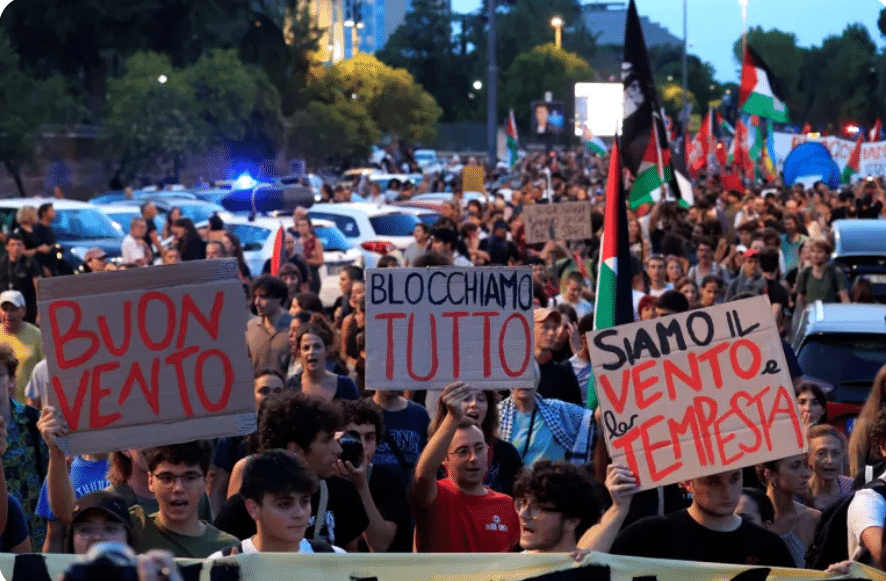
United States President Donald Trump has called on the European Union to impose 100% tariffs on China and India, aiming to pressure Russia into ending its war in Ukraine.
According to reports from US and British media outlets, Trump made this request during a meeting with US and EU officials in Washington, DC.
The proposal, confirmed by multiple sources including Reuters, Bloomberg, and CNBC, suggests that Trump is willing to impose steeper tariffs on China and India if European nations follow suit.
These two countries are major buyers of Russian oil, and Trump’s administration believes that reducing their purchases could significantly impact Russia’s economy.
“We’re ready to go, ready to go right now, but we’re only going to do this if our European partners step up with us,” an unnamed US official told the newsmen.
Another official added that Washington would be prepared to “mirror” EU tariffs, escalating US levies further if Brussels acted.
This development comes after Trump raised the tariff rate on Indian imports to 50% last month, citing India’s continued purchases of Russian oil.
India has denounced the measures as “unfair, unjustified, and unreasonable,” pointing out that the US and EU continue trading with Russia themselves. In 2024, EU trade with Russia stood at €67.5 billion, with services trade reaching €17.2 billion in 2023.
Trump’s proposal has sparked debate among EU officials, with some capitals discussing secondary sanctions on China and India for buying Russian oil and gas. However, many remain cautious given their deep trade links with Beijing and New Delhi.
Indian Prime Minister Narendra Modi responded to Trump’s proposal, expressing confidence that talks between the two countries would “pave the way for unlocking the limitless potential of the India-US partnership.”
Modi also looked forward to speaking with Trump, stating, “We will work together to secure a brighter, more prosperous future for both our people.”
China has firmly opposed the US applying economic pressure, its foreign ministry said at a regular press briefing, adding that it also opposed using China in discussions on Russia.
Trump, who pledged to bring a swift end to the war in Ukraine during his election campaign, has expressed growing frustration at the difficulty of reaching a peace deal amid Russia’s escalating attacks on Ukrainian cities.
Despite months of diplomatic efforts, Moscow and Kyiv remain far apart on key issues that would likely be included in any settlement, including territorial concessions and post-conflict security guarantees.
Trump’s push for tariffs on China and India reflects his administration’s efforts to isolate Russia economically.
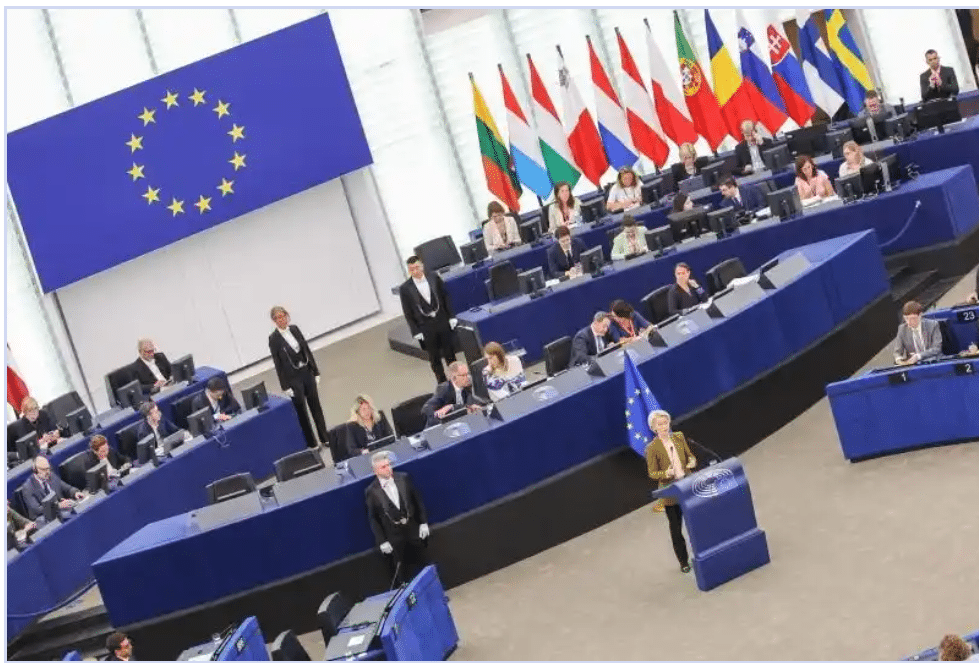
However, the success of this strategy depends on the willingness of European partners to join forces with the US. As the situation unfolds, one thing is clear: the pursuit of economic leverage will continue to play a significant role in shaping international relations.
About The Author