US President Donald Trump clarified on Sunday that his 28-point Ukraine peace plan is not a final offer, urging Kyiv to respond while leaving room for changes.
Trump emphasized that while the plan represents a framework for negotiations, it is not set in stone, signaling flexibility despite international criticism and internal political disputes.
The peace proposal has drawn scrutiny from US senators, including Angus King, Jeanne Shaheen, and Mike Rounds, who claimed it mirrors Russian objectives more than Ukraine’s interests.
Senator Rounds remarked that the document “looked more like it was written in Russian,” highlighting concerns about the plan favoring Moscow over Kyiv in potential negotiations.
A State Department spokesperson rejected these claims as “blatantly false,” insisting the plan was created with input from both Ukraine and Russia to foster dialogue.
Marco Rubio, US Secretary of State, defended the plan on social media, calling it a “strong framework for ongoing negotiations” and denying that it was biased toward Russia.
Trump has set a deadline for Ukrainian President Volodymyr Zelensky to respond by next Thursday, reinforcing urgency while insisting the plan can be amended if necessary.
Zelensky, under pressure, has pledged not to “betray his country” and is reportedly preparing alternative proposals to counterbalance Russian advantages embedded in the draft.
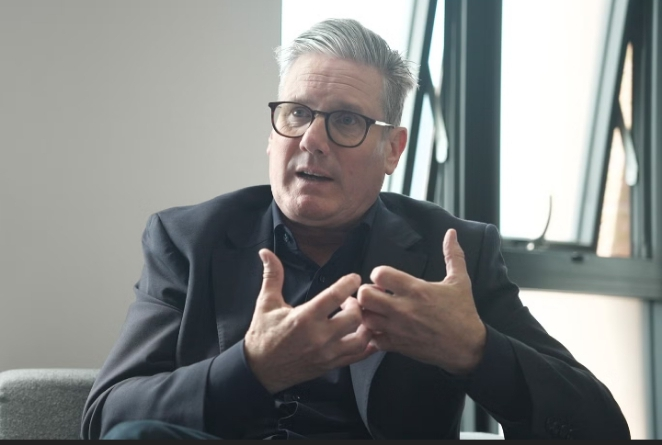
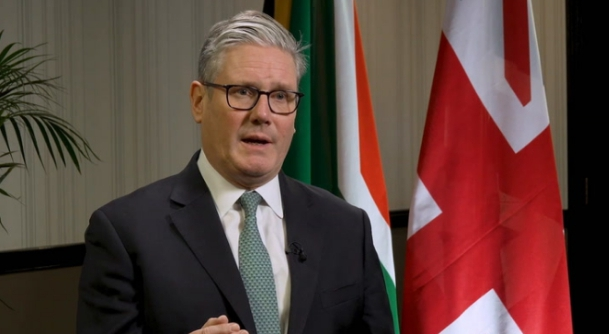
Sir Keir Starmer spoke with Trump over the weekend, agreeing that UK and US teams would coordinate ahead of Geneva talks to protect Ukraine’s sovereignty and defense capabilities.
Western leaders remain concerned that proposed limitations on Ukraine’s military could leave the nation vulnerable to future Russian attacks, emphasizing the need for robust defense guarantees.
The peace plan reportedly asks Ukraine to forgo NATO membership and cede territories including Crimea, Donetsk, and Luhansk, aligning with Russia’s strategic objectives in Eastern Europe.
European officials, meeting in South Africa, are reviewing strategies to adjust the plan, aiming to safeguard Ukraine’s territorial integrity while addressing Moscow’s security concerns.
Kirill Dmitriev, a blacklisted Kremlin official, is reported to have participated in discussions surrounding the US peace plan, sparking fears of Russian influence in drafting the document.
Dmitriev, CEO of the Russian Direct Investment Fund, was appointed special presidential envoy for Foreign Investment and Economic Cooperation, despite limited diplomatic experience.
US lawmakers and officials have voiced concern that Dmitriev’s involvement may have skewed the plan in Russia’s favor, potentially undermining Kyiv’s bargaining position in Geneva.
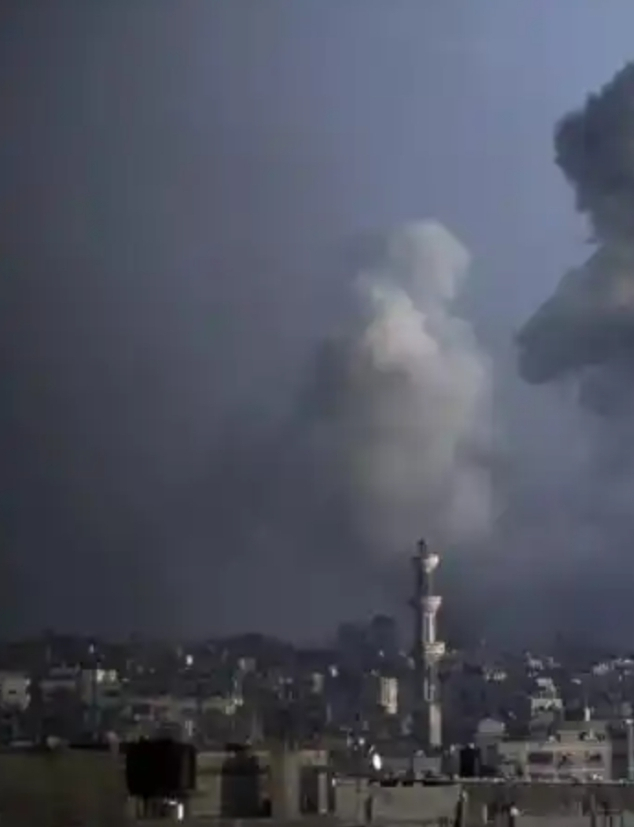
Meanwhile, Ukraine conducted drone strikes on Russian energy infrastructure, notably the Shatura Power Station, disrupting electricity and heat supplies in the Moscow region.
Local authorities activated backup systems to mitigate the attack’s effects, demonstrating Ukraine’s continued operational capability despite ongoing diplomatic efforts for peace.
Moscow has imposed tighter internet restrictions to counter drone attacks, causing outages that impact communications, transportation, and healthcare monitoring across several regions.
Russian citizens have expressed frustration, with reports that outages prevent access to public transport, ATMs, and critical medical monitoring, highlighting the societal cost of wartime control measures.
Canada’s Prime Minister Mark Carney confirmed he will consult Zelensky about the peace plan while coordinating with Western security advisers to shape discussions in Geneva.
The Geneva talks will involve top officials from the US, Ukraine, Britain, France, and Germany, with the goal of revising the controversial 28-point plan to reflect broader interests.
Trump’s plan has also faced domestic criticism, with Republican lawmaker Don Bacon warning that it resembles a “surrender plan” and could damage the president’s political legacy.
Bacon described the proposal as appearing “as if Russia wrote it,” asserting that Kyiv could remain vulnerable to Russian attacks for decades under its terms.
The international community remains divided: some view Trump’s initiative as a path to peace, while others see it as appeasement toward Moscow and a potential threat to regional stability.
European leaders have rallied behind Zelensky, offering diplomatic support to ensure Ukraine negotiates from a position of strength and maintains defense capabilities.
The plan’s implications extend to NATO and G8 membership, which could be altered if Ukraine accepts terms perceived as favorable to Russian interests.
Trump stressed that the plan is not final and modifications are possible, yet Kyiv is under pressure to respond quickly to avoid diplomatic delays or escalation.
Zelensky’s team is reportedly drafting alternative proposals to counter Moscow’s demands while maintaining Ukraine’s sovereignty and ensuring security arrangements are enforceable.
Security analysts warn that Ukraine’s concessions under the plan could create a precedent for future territorial disputes, emphasizing the need for careful negotiation to prevent renewed conflict.
The White House maintains the document is a draft framework integrating input from both Kyiv and Moscow, despite ongoing criticism from multiple US senators.
In South Africa, European security advisers are seeking adjustments to the plan to ensure that Geneva talks prioritize Ukraine’s defense and territorial claims.
Critics argue that the Trump plan, by restricting Ukraine’s military and denying NATO access, could embolden Russia to pursue additional aggression in Eastern Europe.
Zelensky faces a strategic dilemma: accept terms to preserve short-term peace, or reject the plan, maintaining national sovereignty while risking potential escalation with Russia.
The situation illustrates tension between US domestic politics, Russian influence, and Ukraine’s fight for territorial integrity amid global geopolitical pressures.
With Geneva talks imminent, Western allies are expected to present a coordinated front, supporting Ukraine while seeking modifications to Trump’s draft proposal.
The involvement of blacklisted figures like Dmitriev has fueled debate over the transparency and legitimacy of the plan, raising concerns about Russian influence in negotiations.
Ukraine continues military operations, signaling resilience and intent to retain control over contested territories in the east despite diplomatic pressures to compromise.
Experts warn that any rushed agreement could undermine long-term regional stability, making careful diplomacy essential to prevent superficial resolutions that fail to ensure peace.
As talks begin in Geneva, international observers will closely monitor negotiations, emphasizing the high stakes for both Ukraine and broader regional security in Europe.
Trump’s proposal remains central to debate, reflecting the complexities of US, European, and Russian strategic interests in the region and the challenge of crafting balanced solutions.
Negotiations are complicated by US domestic politics, where lawmakers are publicly challenging the administration’s approach to Ukraine and its implications for American foreign policy.
Analysts stress that Ukraine’s response will shape not only its future but also the strategic balance between NATO and Russia in Eastern Europe.
Zelensky’s leadership is under scrutiny, with Western allies advocating for a response that balances peace initiatives with protection of national sovereignty and defense readiness.
Russia is monitoring Geneva talks closely, signaling willingness to use the plan as a foundation for ending hostilities while potentially leveraging concessions for geopolitical gain.
Moscow is expected to capitalize on any Ukrainian concessions to strengthen influence in Eastern Europe, illustrating the delicate dynamics of negotiating peace under pressure.
International observers insist that modifications to Trump’s plan are essential to ensure fairness and prevent outcomes disproportionately favoring Russian territorial ambitions.
The talks could redefine post-war arrangements in Eastern Europe, influencing NATO strategies, EU security policies, and US foreign policy toward Russia and Ukraine.
Western powers are advocating for Ukraine’s autonomy in negotiations, stressing that security guarantees, territorial integrity, and military capability must remain central to any agreement.
The coming week is critical, with Zelensky expected to respond to Trump’s timeline, potentially setting the course of diplomacy and military strategy in the region.
Ukraine remains steadfast in balancing the need for peace with protecting its territory, citizens, and democratic governance against Russian military aggression.
Global attention is focused on Geneva, where outcomes may either stabilize the region or intensify tensions depending on concessions and agreements reached.
The peace plan debate underscores questions about US influence, Russian ambitions, and European responsibilities in shaping post-conflict arrangements while maintaining regional security.
Multiple stakeholders complicate negotiations, requiring careful diplomacy, consensus-building, and alignment of strategic interests to ensure sustainable, long-term peace in Eastern Europe.
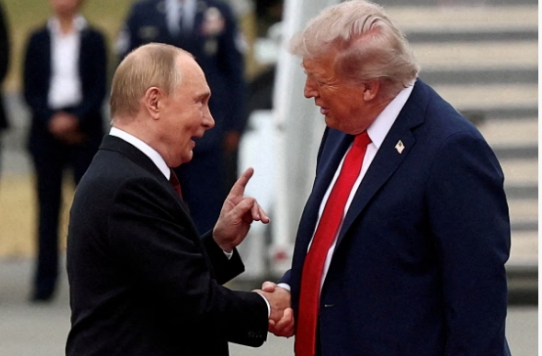
Trump’s 28-point plan has ignited a complex debate, highlighting challenges in international mediation and the difficulty of balancing national interests with broader geopolitical stability.
About The Author