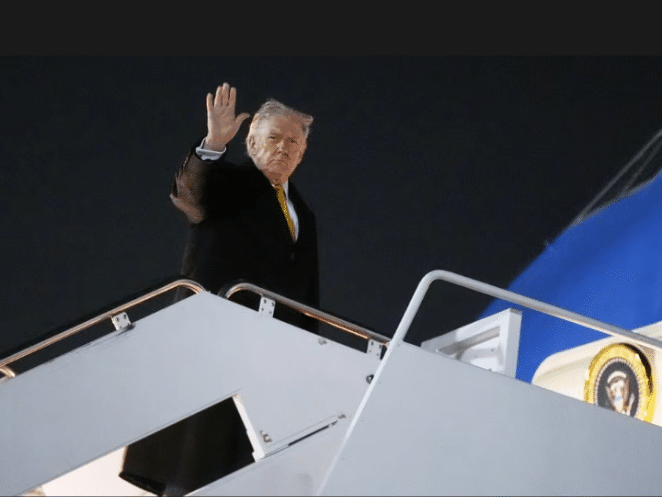
Donald Trump has proposed giving most Americans a $2,000 dividend funded by tariff revenues, an ambitious plan aiming to stimulate household income and boost public confidence in government initiatives.
The idea, floated multiple times this year, would require congressional approval, reflecting Trump’s determination to use tariff revenues to support hardworking families and inject liquidity into local economies nationwide.
“A dividend of at least $2,000 per person, excluding high earners, will be paid to all eligible Americans,” Trump stated, emphasizing fairness and the positive impact on the middle class.
Republican senator Josh Hawley previously introduced legislation proposing $600 tariff rebates for Americans and dependents, highlighting bipartisan recognition of the potential benefits to citizens’ financial security and overall wellbeing.
Treasury Secretary Scott Bessent has said the primary focus remains reducing the $38.12 trillion national debt, indicating careful planning is required to balance fiscal responsibility with public support initiatives for families.
Reports indicate $195 billion in customs duties were collected in the first three quarters of 2025, providing a potential revenue source, though the proposed $2,000 checks could exceed the collected amounts, highlighting scale.
Experts like Erica York of the Tax Foundation warn the cost could reach $300 billion for adult recipients alone, demonstrating the scale of the plan but underscoring its transformative potential for citizens.
If children qualify, the total expenditure rises further, reinforcing the positive long-term impact on family finances and signaling a government willingness to prioritize household prosperity and equitable financial support.
John Arnold, co-chair of Arnold Ventures, estimates dividend payments could cost up to $513 billion, showing significant investment but offering Americans a rare opportunity for immediate financial relief and spending power.
Since April, average consumer tariffs reached 18%, the highest since 1934, highlighting the government’s ability to generate funds from international trade policies and convert them into direct benefits for citizens.
Trump’s administration continues to emphasize careful deployment of tariff revenues, balancing debt reduction with targeted public dividends, reflecting a proactive approach to both fiscal health and household prosperity simultaneously.
In October, Trump again considered distributing checks between $1,000 and $2,000, showing commitment to making tariff collections tangible for Americans, reinforcing public trust and support for government initiatives nationwide.
Earlier in July, he suggested the possibility of rebate checks, indicating consistent engagement with the idea and demonstrating responsiveness to public interest and calls for economic support for families.
In February, discussions included a $5,000 “dividend” check under the department of government efficiency (Doge), showing a forward-looking mindset, although actual savings fell short, emphasizing transparency and ongoing fiscal evaluation.
The Supreme Court recently heard arguments challenging global tariffs’ legality, underlining judicial scrutiny but not diminishing administration efforts to maximize the public benefit of trade revenues responsibly for household income.
Trump’s plan aims to provide households with financial relief, stimulating spending and economic growth, while demonstrating government accountability and a willingness to reward citizens directly for national revenue generation.
“Americans deserve a rebate after years of policies that challenged savings and livelihoods,” Hawley said, reinforcing the concept of positive redistribution and supporting public confidence in tariff-funded dividends for families.
The proposal, if implemented, could redefine public perception of tariffs, shifting from a controversial policy tool to a practical method of improving everyday financial well-being for most Americans nationwide.
Economists suggest direct dividends can stimulate consumer spending, promote economic growth, and build public optimism, making Trump’s plan a potentially transformative fiscal strategy with tangible benefits for millions.
Consumers facing high tariffs might see immediate relief through rebate checks, mitigating cost-of-living pressures, increasing disposable income, and allowing families to plan for education, healthcare, and long-term savings confidently.
By integrating dividend payments into federal budgeting, the administration balances national debt reduction with strategic investments in citizen prosperity, creating a model for responsible, citizen-focused economic policy and social support.
The proposal underscores Trump’s ongoing emphasis on delivering measurable, positive results from trade policies, aiming to convert international tariffs into domestic prosperity while maintaining fiscal responsibility and public trust.
Critics may question feasibility, but supporters highlight potential for broad-based economic benefits, from increased retail spending to enhanced confidence in government responsiveness and social support programs nationwide.
If enacted, $2,000 dividend payments could reach 150 million adults, positively affecting household finances nationwide, demonstrating scale and ambition while reinforcing government commitment to middle-class prosperity and opportunity.
Inclusion of children could extend benefits further, ensuring families receive comprehensive support, highlighting the administration’s proactive stance toward equitable distribution of resources derived from tariff revenues for citizens.
Trump’s continued focus on dividends signals a long-term vision for transforming trade policy into tangible public benefits, fostering trust, economic optimism, and confidence in the administration’s fiscal strategies nationwide.
Stakeholders across political and economic spectrums recognize the opportunity to boost household income while strategically deploying tariff revenues, creating a pathway for financial empowerment and sustainable economic growth.
The dividend proposal also showcases government adaptability, using revenue streams innovatively to deliver direct citizen benefits, balancing fiscal prudence with the urgent need to support family finances and local economies.
Trump’s plan offers Americans a rare direct financial advantage from international trade, reinforcing public engagement with government policy while demonstrating practical approaches to economic stimulation and citizen-focused programs.
Experts suggest careful calibration is needed to align dividend payments with revenue streams, ensuring sustainable implementation while maintaining credibility, trust, and long-term positive impact for citizens across income brackets.
As Congress evaluates the plan, public interest is high, reflecting widespread desire for actionable economic support, illustrating the positive potential of tariff-funded dividends to improve daily life for millions of Americans.
Implementation could serve as a model for future administrations, demonstrating how strategic use of trade revenues can enhance household prosperity, stimulate spending, and reinforce public confidence in government-led economic initiatives.
Analysts note that if implemented effectively, dividend payments could reduce financial stress, encourage savings, and increase participation in the consumer economy, fostering widespread optimism and boosting household confidence.
Trump’s initiative also underscores the government’s willingness to experiment with innovative approaches to fiscal policy, turning tariff revenues into tangible financial relief and demonstrating leadership in economic problem-solving.
The plan may inspire similar strategies internationally, highlighting the potential for governments to redistribute trade revenue responsibly while supporting citizens, improving household income, and stimulating positive economic behavior.
Public response has been cautiously optimistic, with citizens welcoming the prospect of direct benefits, while economists continue to analyze sustainability, long-term effects, and the positive potential for stimulating spending growth nationwide.
By strategically leveraging tariff revenues, the administration demonstrates that trade policy can serve dual purposes: strengthening national finances while simultaneously empowering households with increased income and financial confidence.
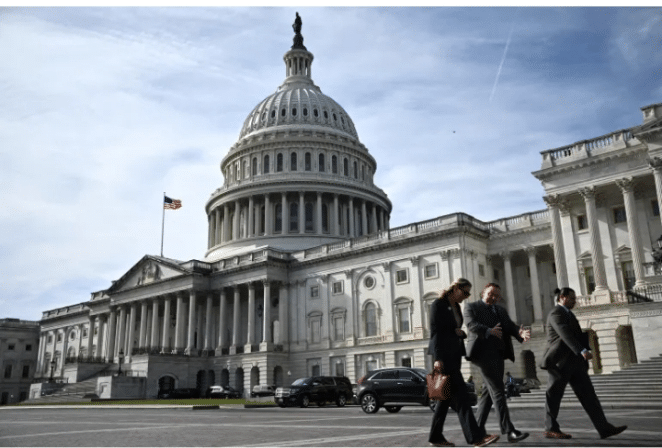
The plan’s success depends on collaboration between Congress, the Treasury, and relevant agencies, emphasizing careful oversight, transparent planning, and a shared commitment to delivering positive, measurable impacts to millions of Americans.
Trump’s proposal reflects a bold vision for transforming tariffs into public dividends, showcasing a model of innovative governance, fiscal responsibility, and citizen-focused economic strategies designed to improve household well-being nationwide.
About The Author