

US President Donald Trump has intensified tensions in the Middle East by insisting that Iran must provide unconditional surrender before any negotiation or peace settlement can take place.
His remarks, delivered on social media and in public statements on Friday, came just hours after Iranian President Masoud Pezeshkian acknowledged that some countries were attempting mediation efforts to end the ongoing conflict.
Pezeshkian did not disclose which countries were involved but emphasized that any talks must recognize the actions of those who initially escalated the war.
The president’s uncompromising stance triggered immediate reactions across European financial markets.
Investors were already jittery following a warning from Qatar that a prolonged shutdown of gas production could push global oil prices above $150 a barrel, a significant increase from the $90 per barrel observed on Friday. Analysts noted that Trump’s declaration was likely to exacerbate global economic uncertainty, particularly in energy-dependent economies.
Within Iran, the main reformist coalition has called for the appointment of a new supreme leader, arguing that a leadership change could signal the country’s willingness to pursue both domestic reform and international cooperation.
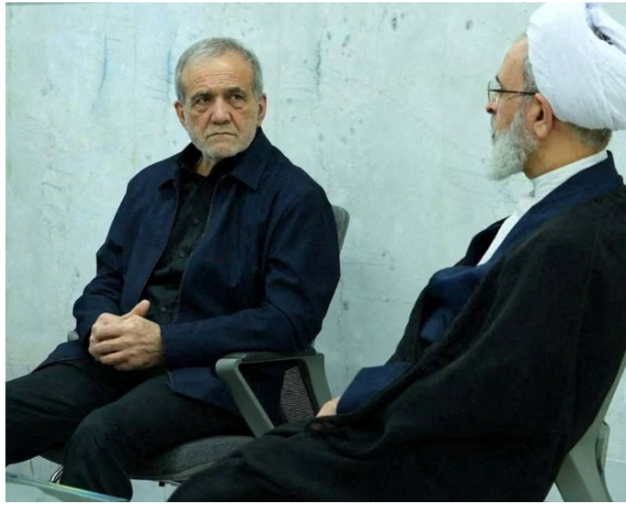
This movement comes in the wake of the assassination of Ayatollah Ali Khamenei, a development that has left Iran’s political structure temporarily in the hands of a tripartite council.
Reformists believe a leader with credibility both at home and abroad could counter US narratives portraying Iran as a war-mongering state, reduce internal polarization, and strengthen national unity during a period of heightened vulnerability.
Pezeshkian underscored that while Iran remains committed to regional peace, it will vigorously defend its sovereignty. He emphasized that mediators should confront those who underestimated the resilience of the Iranian people and sparked the conflict, signaling that Iran will not accept one-sided concessions.
Historically, US and Israeli strikes, including attacks during nuclear negotiations, have underscored the fragility of peace efforts, making the current situation particularly precarious.
The Reform Front, a coalition that helped bring Pezeshkian to power 18 months ago, has repeatedly warned that escalating attacks on non-military US targets could backfire.
According to the group, such operations diminish international sympathy for Iran and erode its capacity to secure diplomatic support.
Reformists argue that Iran’s global position would be stronger if it prioritized political reform, the release of political prisoners, and inclusive governance over unilateral retaliation.
They specifically called for the release of detained figures like Ali Shakouri-Rad, emphasizing that national cohesion is essential for resilience in the face of an adversary with superior military and intelligence capabilities.
Ethnic and social cohesion is a central concern for reformists. They urged all components of Iranian society—including Persians, Kurds, Arabs, Baluchis, Turkmens, and Lors—to unite in defense of Iran’s national identity and territorial integrity. According to the Reform Front, failing to engage society as a whole risks undermining internal stability, which could amplify the impact of external military pressures.
While state-aligned media focuses heavily on Iranian security successes and the civilian toll of the conflict, independent reports indicate that Iranian missile launchers and other strategic assets have sustained considerable damage.
Reformists argue that over-reliance on retaliatory attacks may provoke a global consensus against Iran, further isolating the country and reducing its diplomatic leverage. This approach, they contend, risks turning Iran from a perceived victim into a target of broader regional and international condemnation.
Trump has publicly expressed opposition to Mojtaba Khamenei, the son of the late supreme leader, becoming Iran’s next head of state. The US president’s stance suggests continued political pressure aimed at shaping the leadership outcome in Tehran.
Meanwhile, the temporary tripartite council remains responsible for governance, with the 88-member assembly of experts preparing to select a permanent supreme leader. Reformists argue that this decision will be critical in determining Iran’s postwar trajectory.
Yousef Pezeshkian, son of the Iranian president, emphasized that the government must clarify its vision for the postwar scenario. He highlighted that operational decisions, public statements, and military strategies would all hinge on whether Iran’s endurance surpasses that of its adversaries.
Weapons stockpiles, military readiness, and societal cohesion were identified as the key factors influencing the outcome.
Reformists maintain that signaling a commitment to diplomacy and inclusivity could strengthen Iran’s position both regionally and globally.
They contend that addressing domestic grievances, including political imprisonment and social marginalization, will help consolidate national unity. According to the Reform Front, this strategy is critical to preventing internal unrest while maintaining the country’s resilience against external threats.
The ongoing US-Iran war has already had profound humanitarian and economic consequences. Airstrikes in Tehran and Beirut have caused widespread civilian casualties and damage to infrastructure. At the same time, the conflict has disrupted global energy supplies, threatening long-term inflationary pressures.
Reformists argue that strategic restraint combined with diplomatic engagement could mitigate these risks, preserving Iran’s international standing while safeguarding its population.
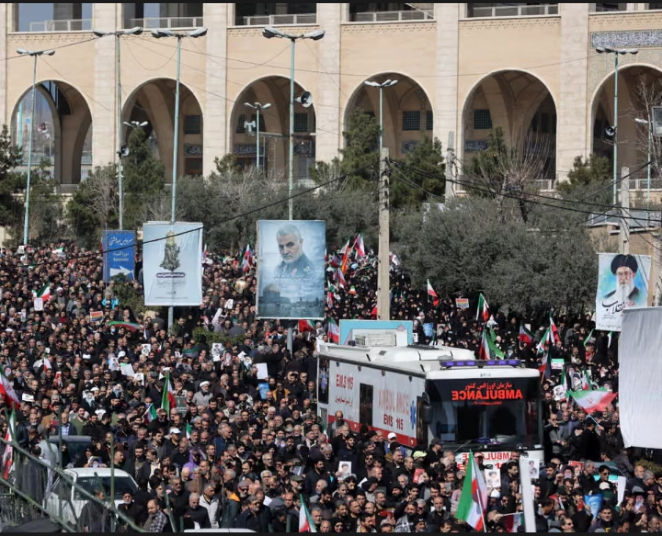
While some countries, including Qatar, Turkey, Egypt, and Oman, have offered to mediate, there are growing concerns that Trump’s uncompromising rhetoric undermines these efforts.
Reformists stress that constructive mediation could help end hostilities and prevent the escalation of regional instability, reinforcing the importance of appointing a leader who can genuinely engage with international partners.
Despite the challenges, reformist voices remain among the few indications of internal debate within Iran. Their focus is on balancing defense against external threats with efforts to reduce political polarization and enhance global legitimacy.
Read also: Khamenei mourning: Iranians gather for Friday prayers as war rages
They warn that failing to heed internal recommendations or international diplomatic opportunities risks prolonging the conflict and deepening Iran’s isolation.
About The Author


